
Is It Better to Shave After or Before a Shower: What You Need to Know
Quick answer: For most men using a manual razor, shaving after a shower is better — warmer, softer stubble means a closer shave with less irritation. Shaving before suits electric shaver users and very rushed mornings. The right choice depends on your razor, skin, and routine.
Ask ten men when they shave and you’ll get ten different answers. But which is actually better — before or after a shower? Rather than just giving you one answer, let’s compare both properly: closeness, comfort, skin health, and which suits different situations. By the end, you’ll know exactly what works for you.
Head-to-Head Comparison
Closeness of Shave
Winner: After. Warm water hydrates facial hair, making it softer and easier to cut cleanly. Dry stubble before a shower is stiff and wiry, so the razor has to work harder and often needs more passes — which increases irritation. If a baby-smooth finish matters to you, after wins clearly.
Skin Irritation
Winner: After. Post-shower skin is warm, pores are open, and natural oils have been softened — the razor glides. Pre-shower shaving on cold, dry skin causes more dragging, redness, and razor burn, particularly on the neck.
Convenience and Speed
Winner: Before (just). Shaving before means you can jump straight in the shower to rinse off stray hairs and shaving cream. It’s one continuous routine. Shaving after means drying off, then re-wetting your face — slightly more faff, though only by a couple of minutes.
Ingrown Hairs
Winner: After. Ingrown hairs happen when cut hair curls back into the skin. Softer, hydrated hair cuts more cleanly at the surface rather than being tugged and cut below it, reducing ingrowns. Men prone to ingrown hairs should always shave post-shower.
Which Suits Your Situation?
You use a manual razor (cartridge or safety razor)
Shave after. No contest. Blade shaving benefits enormously from hydrated stubble and warm skin.
You use an electric shaver
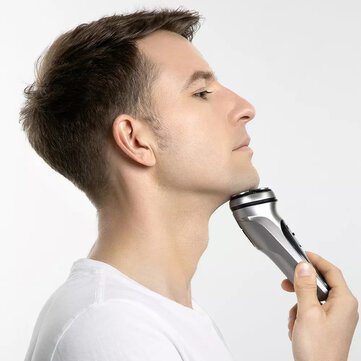
Shave before — or check if yours is a wet/dry model. Most electric shavers are designed for dry skin; moisture and shaving cream can clog the foils. Many men with electrics shave before showering, then let the shower wash away the loose hairs. If you own a wet/dry shaver, try it at the end of your shower with gel — the best of both worlds.
You have sensitive skin
Shave after, but keep the shower warm rather than hot. Very hot water can leave sensitive skin red and reactive. A lukewarm shower followed by a gentle shave is the kindest combination. The NHS skincare guidance is a useful reference for managing sensitive skin generally.
You have thick, coarse stubble
Definitely after — and give it extra time. Coarse beards need 3–4 minutes of warm water exposure to soften properly. Consider shaving at the end of your shower rather than immediately after.
You’re always in a rush
Shaving in the shower (at the end) is your answer — it combines the softening benefits with zero extra time. Get a fog-free shower mirror and keep your gel in the shower caddy.
Common Myths Debunked
- “Cold water closes pores, so shave before with cold water.” Pores don’t open and close like doors — that’s a myth. Warmth relaxes skin and softens hair; that’s what matters.
- “Shaving before lets the shower wash away irritation.” A cool rinse after shaving does the same job without sacrificing the pre-softening.
- “It doesn’t make any real difference.” It does — try both for a week each and compare. Most men notice immediately.
The Best of Both: The Ideal Routine
If you want the optimal result: shower warm, shave at the end of the shower or within minutes of stepping out, use a sharp blade and proper gel, shave with the grain, rinse cool, and moisturise. Brands like Gillette UK offer detailed technique guides if you want to refine further.
FAQs
Is it better to shave at night or in the morning?
Morning is the conventional choice since stubble shows by evening either way. But night shaving (after an evening shower) gives skin hours to calm down — good for very sensitive skin or special occasions.
Does shaving after a shower prevent razor bumps?
It significantly reduces them. Razor bumps (pseudofolliculitis) are caused by hairs re-entering the skin — softer hair cut cleanly at the surface is much less likely to cause them.
Can I shave before a shower if I use pre-shave oil?
Pre-shave oil helps, and combined with a warm flannel for 2–3 minutes it’s a decent substitute. But it’s still not quite as effective as a full shower’s worth of warmth and steam.
Conclusion
After beats before for manual razors — closer, calmer, fewer ingrowns. Before wins for electric shavers and rushed mornings. Match the timing to your tools and skin, and you’ll get a better shave every day with no extra effort.