
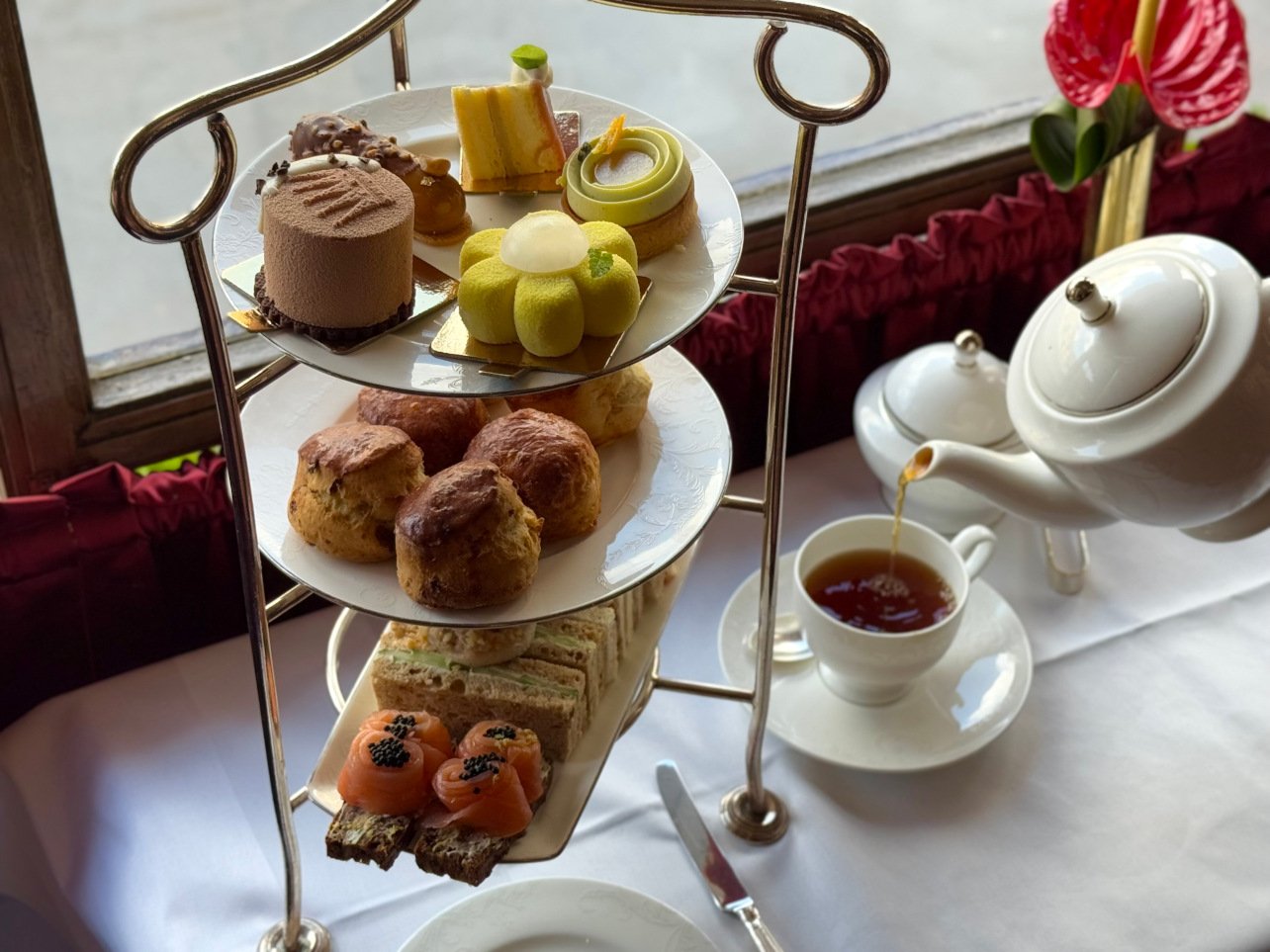
Is Afternoon Tea Worth the Money in London? An Honest Verdict
It’s the question everyone asks before booking: is afternoon tea worth the money in London, or is it an overpriced tourist trap dressed up in tiered stands? Having done the full range — from a £25 department store tea to the full £95 Mayfair works — I’ll give you the honest answer: sometimes absolutely, sometimes definitely not. It depends entirely on what you’re paying for and what you expect.
What you’re actually buying
Let’s do the maths nobody wants to do. The raw ingredients of an afternoon tea — bread, fillings, flour, butter, jam, a few cakes, tea — cost a venue maybe £8-£12 per person. So where does the other £30-£80 go? Labour (those tiny sandwiches are fiddly), rent (Mayfair isn’t cheap), the room itself, and the experience premium. You’re not buying lunch. You’re buying two unhurried hours in a beautiful room, served by staff who refold your napkin when you stand up. Whether that’s worth it is personal — but judge it as an experience, not as a meal, or the price will never make sense.
When afternoon tea is worth the money in London
- Special occasions. Birthdays, anniversaries, visiting parents — the theatre of a grand hotel tea room lifts the day in a way a restaurant lunch doesn’t. This is its natural habitat.
- First-time visitors. It’s a genuine British tradition, and doing it properly once is worth it. Skipping it to save £50 and regretting it later is false economy.
- The mid-range sweet spot (£40-£60). This is where value peaks. The food is excellent, the rooms are lovely, and you’re not paying the Mayfair postcode tax.
- When it’s discounted. A £65 tea at 30% off through a deal site is a completely different value proposition. Always check before booking full price.
When it’s not worth it
- You’re just hungry. If you want lunch, get lunch. Afternoon tea is a poor meal and an expensive snack.
- The venue is coasting on reputation. Some famous names serve mediocre food at premium prices because they can. Read recent reviews, not the ones from 2019.
- You’re a big eater who’ll need dinner after. Then you’ve paid £70 for a pre-dinner snack, which stings.
- Budget venues cutting corners. A £25 tea with stale scones and lukewarm tea from a bag is worse than no tea at all. Cheap isn’t automatically good value.
The value ranking, honestly
In my experience, the value curve looks like this: budget (£25-£40) can be surprisingly good if you pick well — department stores and independent tea rooms often over-deliver. Mid-range (£40-£65) is the sweet spot where quality and price align. Luxury (£70+) is worth it maybe 60% of the time; you’re paying for the room, and some rooms earn it while others don’t. Above £100 per person, you’re buying bragging rights — enjoyable, but let’s call it what it is.
The same value logic applies across London dining. If you’re weighing experiences against each other, it’s worth knowing whether it’s cheaper to cook curry at home than order takeaway — sometimes the best-value “occasion” is a spectacular home-cooked meal that costs a tenth of the restaurant equivalent.
How to make sure it’s worth it
- Read reviews from the last 6 months. Quality drifts; a venue that was superb two years ago may have changed chefs.
- Check what’s included. Unlimited tea? Service charge? A glass of fizz? The headline price rarely tells the full story.
- Book the room, not just the food. If the setting is ordinary, the premium over a good café isn’t justified. The best-value teas have beautiful rooms.
- Go hungry (but not starving). Eat a light breakfast, skip lunch. Arriving stuffed halves the value; arriving ravenous means you inhale it and miss the point.
- Mention the occasion. Birthday? Anniversary? Tell them when booking — many venues add a little extra touch, and it costs you nothing.
The DIY alternative
Here’s a thought: a homemade afternoon tea for four costs about £30-£40 total. Shop-bought scones warmed in the oven, decent clotted cream, good jam, homemade sandwiches, a proper teapot with loose-leaf tea, and a tiered stand from a charity shop (£5). Put on some music, use your best crockery, and you’ve recreated 80% of the experience. It won’t have the chandeliers, but for a fraction of the price it’s remarkably close — and you can wear pyjamas. If you do go the homemade route, knowing how long eggs last past their best-before date helps you plan the baking without waste.
For a second opinion on London’s current afternoon tea scene, Time Out London’s afternoon tea roundup is regularly updated and brutally honest about which venues deliver.
Worthwhile alternatives to the full afternoon tea
If the prices make you wince but the craving persists, there are middle paths. A cream tea — just scones, clotted cream, jam and tea — costs £8-£15 at most tea rooms and delivers the best part of the experience (let’s be honest, the scones are the main event anyway). Many venues offer it without advertising it loudly; just ask.
Hotel “tea-to-go” hampers became popular a few years ago and stuck around: Fortnum & Mason and others sell takeaway afternoon tea boxes (£30-£50 for two) that you can eat in a park. Same quality sandwiches and cakes, zero service charge, and a picnic in St James’s Park is arguably a better setting than a basement tea room.
And there’s the regional option: if your travels take you to Bath, York or the Cotswolds, the same quality of afternoon tea often costs 30-40% less than London. The ingredients don’t know what postcode they’re in. A £35 tea in Bath rivals a £60 one in Mayfair — the difference is rent, not scones.
Whatever you choose, the principle from the main guide holds: read recent reviews, check what’s included, and never pay the occasion markup without deciding the occasion deserves it. The VisitBritain site lists regional food experiences if you’re planning a trip around it.
The takeaway
So, is afternoon tea worth the money in London? For a special occasion at a well-reviewed mid-range venue — yes, genuinely. As a casual expensive snack, or at a famous name coasting on reputation — no. Treat it as buying an experience, pick the £40-£65 sweet spot (or a discounted luxury tea), and you’ll rarely feel short-changed.