
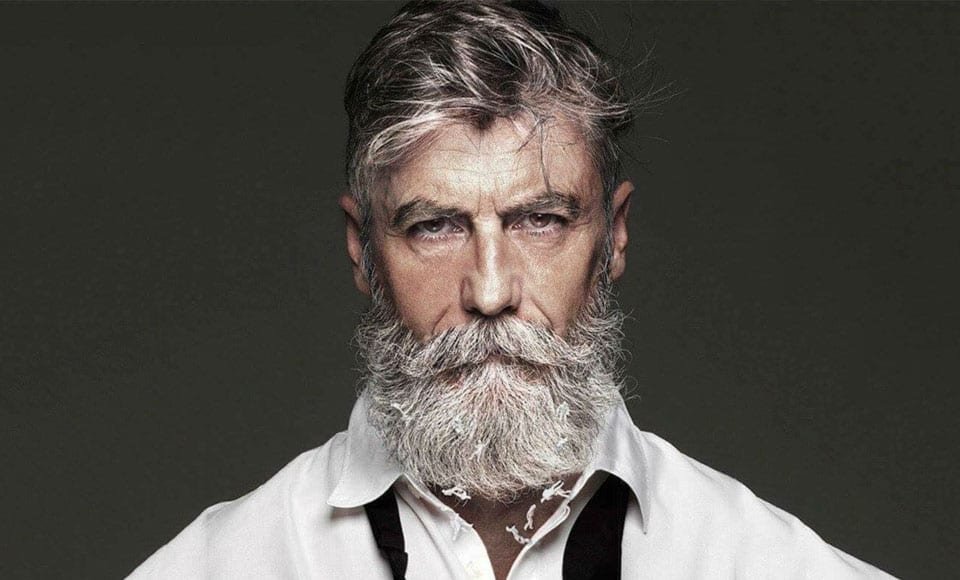
How to Straighten Beard: Step-by-Step Guide (2026)
To straighten your beard, wash it and dry it fully, apply a heat protectant spray, then blow-dry downwards with a round or vent brush — or run a heated beard straightener brush through it section by section. Finish with a few drops of beard oil and a little balm to hold the shape. Always use heat protectant, keep the tool moving, and stick to medium heat to avoid damage.
A curly beard can look shorter and messier than it really is. Straightening adds visible length and makes it look fuller and more groomed. Here are the three main methods.
Before You Start: Prep Your Beard
1. Wash it. A clean beard straightens far better than an oily one. Use a beard shampoo or a gentle face wash — regular hair shampoo is too harsh for facial hair and the skin underneath.
2. Dry it completely. Never apply heat to a damp beard. Pat it dry with a towel, then blow-dry on a cool or low setting until it’s fully dry. Heat on wet hair boils the water inside the strand and causes serious damage.
3. Apply heat protectant — every time. This is non-negotiable. A heat protectant spray or serum forms a barrier between the hair and the heat. Skipping it leads to dryness, breakage, and split ends. Products from Boots and Superdrug work fine — look for sprays labelled for beards or general heat protection.
Method 1: Blow Dryer and Brush (Best for Beginners)
This is the safest method and gives the most natural result.
1. Section your beard with your fingers — work one side at a time.
2. Place a round or vent brush at the roots of a section.
3. Blow-dry on medium heat, pulling the brush downwards through the beard. Follow the brush with the dryer’s nozzle so the heat hits the hair as it’s being pulled straight.
4. Keep the dryer 10–15cm from your face and keep it moving — never hold heat on one spot.
5. Work from the cheeks down to the chin, then finish with a blast of cool air to set the shape.
For more on general technique, the styling advice in ghd’s hair-styling guides translates well to beard work.
Method 2: Heated Beard Straightener Brush (Quickest)
Heated beard brushes look like a normal brush but have heated ceramic teeth. They’re the easiest option and the most popular in UK barbershops.
1. Turn the brush on and set it to medium heat (around 180–190°C is plenty for most beards; go lower for fine hair).
2. Wait until it’s fully heated, then brush slowly downwards through dry, protected beard hair, one section at a time.
3. Keep the brush moving steadily — don’t park it in one place.
4. For stubborn curls, do a second pass rather than cranking the heat up.
5. Turn it off and unplug it when done; let it cool on a heat-resistant surface away from the sink.
These are widely available at Boots, Superdrug, and Amazon UK for £20–£40. Cheaper models often have uneven heat, so read reviews before buying — Which? is a solid place to compare.
Method 3: Flat Iron (Use With Caution)
A hair straightener works on beards but it’s the riskiest method — the plates get very hot and sit close to your skin.
1. Use a mini or narrow straightener, not a full-size one.
2. Clamp small sections near the roots and glide down steadily in one smooth pass.
3. Keep the plates away from your chin and neck skin.
4. One or two passes per section, maximum — if it needs more, the section is too thick.
This method gives the sleekest result but causes the most damage if overused — reserve it for special occasions rather than daily styling.
Finish: Oil, Balm, and Comb
Straightening opens the hair up, so seal it back down:
Beard oil first. Warm 3–5 drops between your palms and work it through the beard from skin to tips. Oil replaces the moisture heat drives out.
Beard balm second. A pea-sized amount, melted in your palms, adds light hold and keeps flyaways in place through the day.
Comb it through. A wooden or horn beard comb distributes the product evenly and sets the final shape. Comb downwards and slightly inwards for a tidy finish.
If your beard is on the thinner side, our guide to how to make a goatee thicker has tips that work for full beards too.
Heat Damage: How to Avoid It
Keep it moving. Heat damage happens when one spot gets too hot for too long. Constant motion is your best protection.
Use medium heat. You rarely need the maximum setting. Start low and only go up if the hair genuinely won’t respond.
Don’t straighten daily. Every 2–3 days is plenty for most men. Daily high heat dries the beard out and leads to breakage, which makes it look thinner over time.
Deep condition weekly. A weekly beard mask or a generous oiling session helps the hair recover between straightening days.
Watch for warning signs. If your beard feels straw-like, snaps easily, or develops lots of split ends, cut back on the heat and let it recover for a week or two.
And if you’re wondering about your overall routine, see whether to shave before or after a shower and how often men should get haircuts to keep everything on schedule.
Tips
- Straighten in the morning — overnight tossing undoes the work, so do it as part of your daily routine.
- A silk pillowcase reduces morning frizz and means less heat needed the next day.
- Trim split ends regularly; straightening makes damaged ends more visible.
- In damp UK weather, balm with a bit of hold helps the style survive the commute.
FAQs
Is straightening your beard bad for it?
Not if you do it sensibly: always use heat protectant, stick to medium heat, keep the tool moving, and don’t straighten every single day. Damage comes from excessive heat and skipping protection, not from straightening itself.
How long does a straightened beard last?
Usually a full day. Humidity is the enemy — damp weather brings the curl back faster. A touch of balm helps it hold.
Can I use a normal hair straightener on my beard?
Yes, but use a narrow one and be careful near your skin. A dedicated heated beard brush is safer and easier around the chin and jawline. Whichever you use, heat protectant is essential.
What temperature should I straighten my beard at?
Around 180–190°C suits most beards. Fine or damaged hair should stay at 160–170°C; only very coarse, thick beards need anything approaching 200°C. Start lower and work up.
Do I need special beard products, or will hair products work?
Beard-specific products are formulated for coarser facial hair and the sensitive skin underneath, so they’re the better choice. Regular hair products can irritate facial skin and are often too heavy for beards.
A straightened beard looks longer and neater, and the routine takes under ten minutes once learned. Prep properly, protect against heat, finish with oil and balm, and your beard will hold all day without damage.