
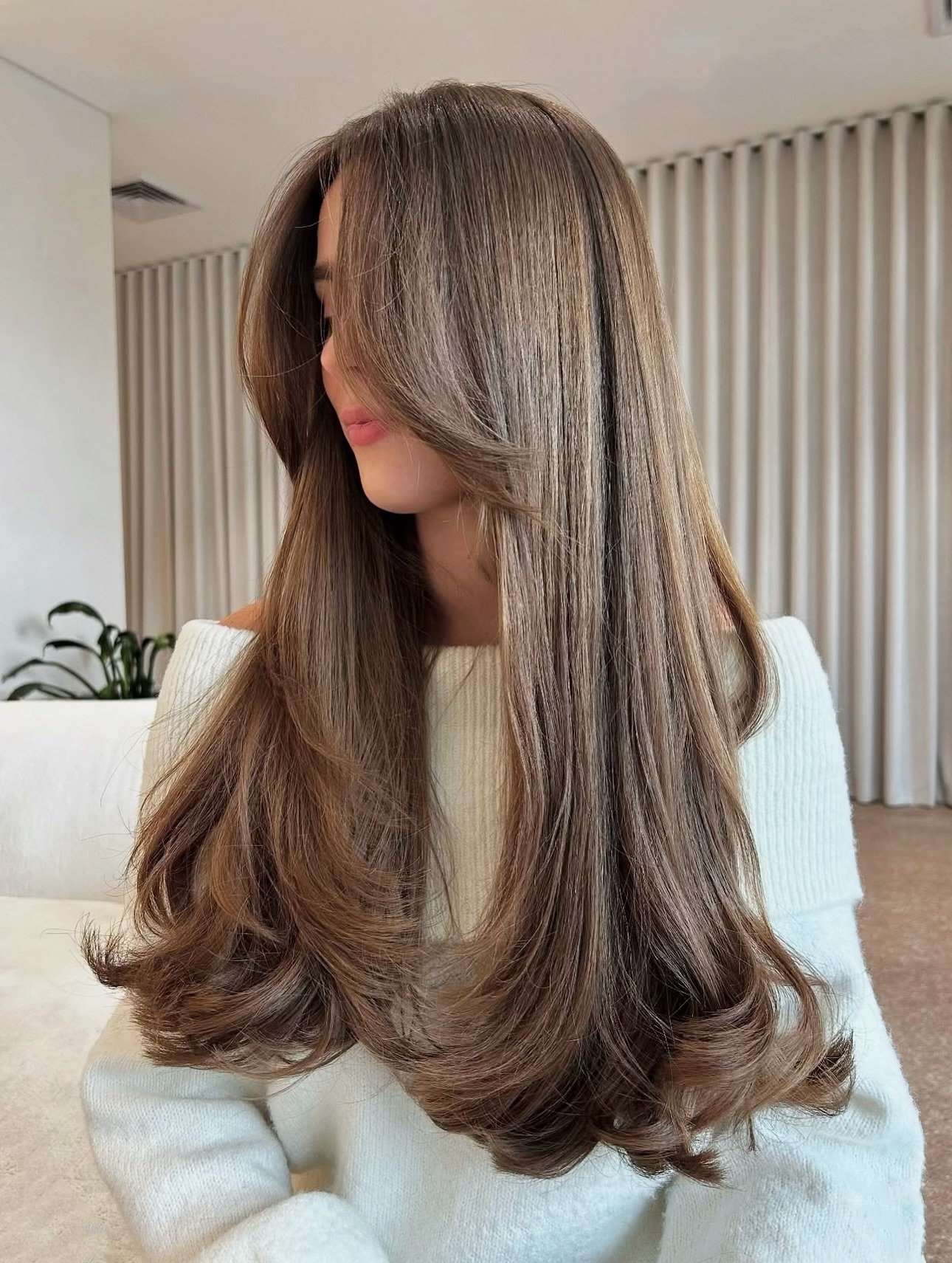
How to Make Your Hair Grow Thicker: Step-by-Step Guide (2026)
To make your hair grow thicker, focus on three things: a healthy scalp (regular gentle exfoliation and massage to boost blood flow), the right nutrition (protein, iron, biotin, and vitamin D), and minimising damage (less heat, gentler brushing, no tight hairstyles). There’s no overnight miracle — hair grows about 1.25cm per month — but with consistent care over 3–6 months, most people see noticeably fuller, thicker-looking hair. This guide covers what actually works, what’s a myth, and when to see a professional.
First: Understand How Hair Thickness Works
Hair “thickness” means two things: the number of hairs on your head (density) and the width of each strand. You can’t change your genetics — some people naturally have more follicles than others — but you can maximise what you have by keeping follicles healthy, reducing breakage (which makes hair look thinner), and creating the appearance of fullness.
It’s also worth knowing that some shedding is normal: losing 50–100 hairs a day is typical. If you’re losing noticeably more, or seeing bald patches, that’s beyond cosmetic advice — see your GP, as it could indicate iron deficiency, thyroid issues, or other treatable causes. The NHS has clear guidance on when hair loss needs medical attention.
Scalp Care: The Foundation of Thicker Hair
Healthy hair grows from a healthy scalp. Think of it like soil for plants.
Scalp massage (2–5 minutes daily). Massaging your scalp with your fingertips increases blood flow to the follicles. Studies suggest even a few minutes a day can increase hair thickness over time. Do it while shampooing, or on dry hair while watching TV — no special tools needed, though silicone scalp massagers (£5–£10 from Boots or Amazon UK) make it easier.
Gentle exfoliation (weekly). Product build-up, dead skin, and excess oil can clog follicles. Once a week, use a scalp scrub or a shampoo with salicylic acid to clear the way for healthy growth. Don’t overdo it — scrubbing too hard irritates the scalp.
Keep it clean but not stripped. Wash 2–3 times a week for most hair types (daily for very oily scalps). A clean scalp grows better hair, but overwashing strips natural oils and causes breakage. Use a sulfate-free shampoo if your hair is dry or colour-treated.
Nutrition: Feed Your Follicles
Hair is made of keratin, a protein — so your diet matters enormously. Key nutrients for hair thickness:
- Protein: Eggs, chicken, fish, lentils, Greek yoghurt. Aim for protein at every meal — hair is literally built from it.
- Iron: Low iron is one of the most common causes of thinning hair, especially in women. Red meat, spinach, lentils, and fortified cereals. Pair plant iron with vitamin C (a glass of orange juice) to boost absorption.
- Biotin (vitamin B7): Eggs, nuts, sweet potatoes. True biotin deficiency is rare, but adequate intake supports keratin production.
- Vitamin D: Many people in the UK are deficient, especially in winter. Oily fish, eggs, fortified foods — and consider a supplement from October to March, as the NHS recommends.
- Zinc: Pumpkin seeds, chickpeas, meat. Zinc supports the oil glands around follicles.
- Omega-3 fatty acids: Salmon, mackerel, walnuts, flaxseed — nourish the scalp from within.
About supplements: Hair, skin and nails gummies are everywhere, but a balanced diet beats supplements for most people. If you suspect a deficiency (constant fatigue + hair thinning is a classic iron-deficiency combo), ask your GP for a blood test rather than guessing with supplements.
Reduce Breakage: Keep the Hair You Have
Half the battle is stopping hair from breaking off. Less breakage = thicker-looking lengths.
- Turn down the heat. Straighteners and curling tongs at maximum temperature fry the hair shaft. Use the lowest effective heat, always apply heat protectant, and give your hair heat-free days.
- Be gentle when wet. Wet hair stretches and snaps easily. Don’t rough-dry with a towel — squeeze gently with a microfibre towel or old t-shirt. Detangle with a wide-tooth comb, starting from the ends.
- Ditch tight hairstyles. Constant tight ponytails, buns, and braids cause traction alopecia — hair loss from pulling. Vary your styles and keep them loose.
- Sleep on silk or satin. A silk pillowcase (£15–£25) or satin bonnet reduces friction and breakage overnight compared to cotton.
- Trim split ends. Split ends travel up the hair shaft and cause more breakage. A small trim every 8–12 weeks keeps hair looking thicker, not thinner.
- Go easy on bleach and harsh colour. Bleaching is the most damaging chemical process. If you colour, space out appointments and use bond-building treatments.
Products That Can Help (and Hype to Ignore)
Worth trying: volumising shampoos and mousses (they coat strands to add body — the effect is cosmetic but immediate), scalp serums with caffeine or peptides (modest evidence for supporting growth), and rosemary oil — a small study found it comparable to 2% minoxidil for hair count, and it’s cheap and natural.
Save your money: expensive “hair growth” shampoos (shampoo sits on your scalp for 30 seconds — it can’t regrow hair), laser combs with exaggerated claims, and any product promising “thicker hair in 7 days.” If it sounds too good to be true, it is.
Prescription options: For genuine thinning or pattern hair loss, minoxidil (Regaine, available at Boots) has real evidence behind it. It’s a long-term commitment — stop using it and gains reverse. Discuss with a pharmacist or GP before starting.
Styling Tricks for Instantly Thicker-Looking Hair
While you’re working on long-term thickness, these give immediate results:
- Blow-dry upside down for root lift.
- Layers — a good cut with layers creates movement and the illusion of volume. Ask your hairdresser for a cut that maximises fullness for your hair type.
- Root powder or fibres (like Toppik) fill in sparse areas convincingly for events.
- Avoid heavy conditioners on roots — condition mid-lengths to ends only, or roots go flat.
- Dry shampoo at the roots adds texture and grip, making fine hair look fuller.
Frequently Asked Questions
How long does it take to see thicker hair?
Hair grows about 1.25cm per month, so allow 3–6 months of consistent care to see real changes in thickness. Breakage reduction shows faster — often within weeks — because you’re keeping more of the length you grow.
Does biotin really make hair thicker?
Biotin supports keratin production, but supplements only help if you’re deficient (which is uncommon). Eating biotin-rich foods is sensible; expensive mega-dose supplements aren’t magic. If hair is thinning significantly, check iron and vitamin D levels first — deficiencies there are far more common causes.
Can thin hair become thick again?
It depends on the cause. Breakage-related thinning is very reversible. Thinning from nutritional deficiencies usually reverses once the deficiency is fixed. Genetic pattern thinning can be managed (minoxidil, etc.) but not cured. An honest assessment of the cause is the first step.
Does cutting hair make it grow thicker?
No — cutting doesn’t affect the follicle, so it can’t change growth rate or thickness. But trimming split ends prevents breakage, which makes hair look thicker and healthier. It’s worth doing, just not for the reason people think.
When should I see a doctor about thinning hair?
See your GP if you’re shedding much more than usual, notice bald patches, your parting is visibly widening, or thinning came on suddenly. These can signal thyroid problems, iron deficiency, hormonal changes, or conditions like alopecia areata — all of which have treatments.
Final Thoughts
Thicker hair comes from consistent basics, not miracle products: a clean, massaged scalp; enough protein, iron, and vitamin D; and ruthless breakage prevention. Give it 3–6 months, be patient, and address any sudden or severe thinning with your GP rather than the supplements aisle. Your hair can only be as healthy as the habits behind it.