
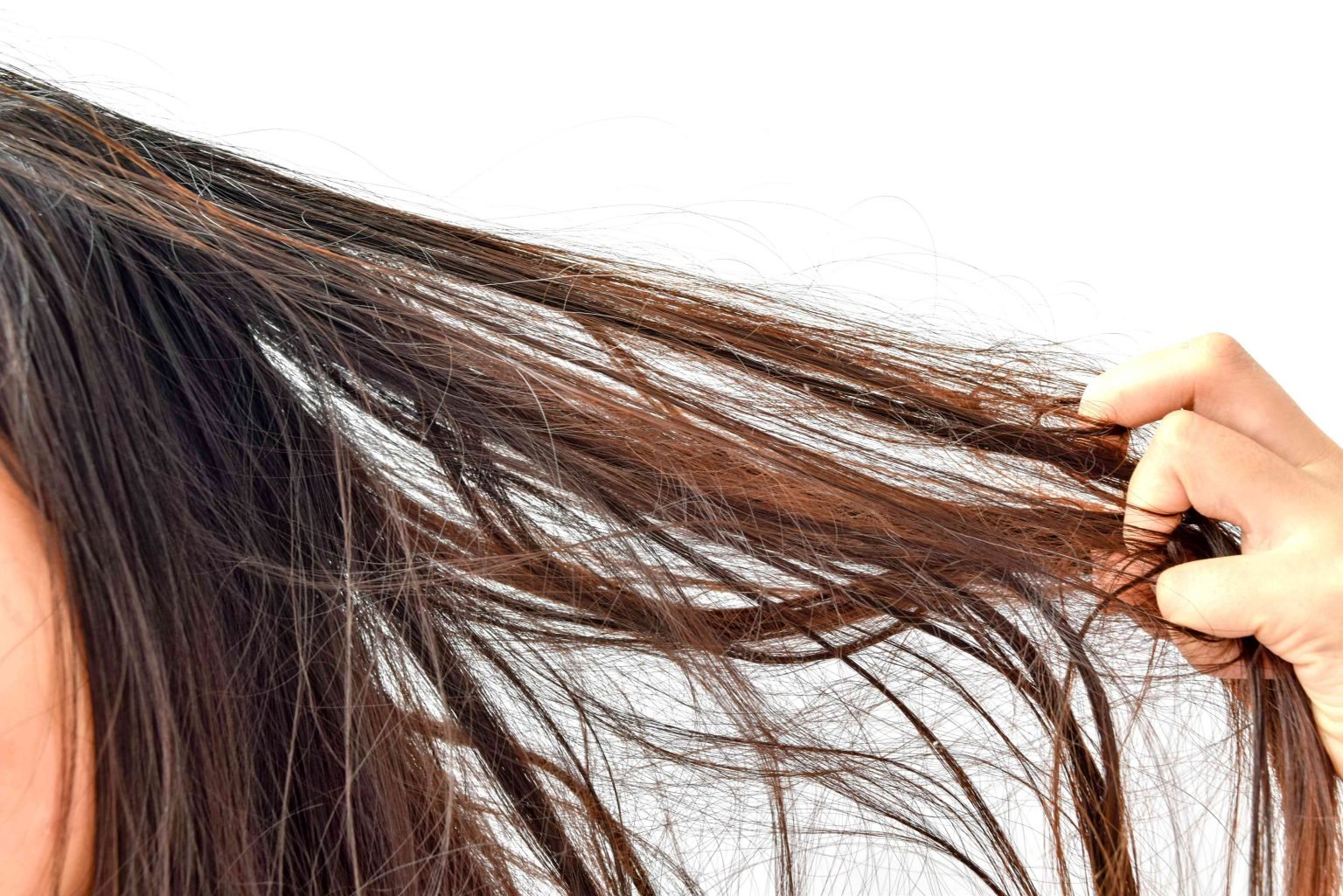
How to Fix Heat Damaged Hair: Step-by-Step Guide (2026)
Quick answer: You can’t fully reverse heat damage, but you can greatly improve it: trim split ends, use protein treatments and deep conditioning masks weekly, switch to a heat protectant, and turn down your styling tools. Severely damaged hair may need a professional cut to truly recover.
Straighteners, curling wands, and blow-dryers on full blast — we’ve all been there. Heat damage shows up as dryness, breakage, split ends, and hair that won’t hold a style. The honest truth is that truly fried hair can’t be “healed” back to perfect, because hair is dead protein. But you can dramatically improve how it looks and feels, stop further damage, and grow out healthy hair. Here’s how.
Signs Your Hair Is Heat Damaged
- Split ends and white dots along the hair shaft (the dots are where hair is about to snap)
- Rough, straw-like texture — hair feels dry no matter what you do
- Breakage: short flyaway bits, especially around the crown
- Loss of curl pattern — curly hair that won’t curl properly anymore
- Dull, frizzy appearance that doesn’t improve with regular conditioner
- Tangles easily because the damaged cuticle catches on itself
- Won’t hold styles — curls drop out, straightening doesn’t last
Step 1: Trim the Worst of It
This is the hardest step to accept, but it’s the most effective. Split ends travel upward — a split left alone keeps splitting until the hair breaks higher up. You don’t need a dramatic chop, but a good trim (even 2–3 cm) removes the most damaged ends and stops the damage spreading. Ask your stylist for a “dusting” — a micro-trim that takes off damage without losing length.
Step 2: Rebuild with Protein Treatments
Heat breaks down keratin, your hair’s structural protein. Protein treatments temporarily fill in the gaps:
- At-home protein masks: Look for products with keratin, wheat protein, or amino acids. Use every 1–2 weeks — not more, as too much protein makes hair stiff and brittle.
- Bond builders: Products like Olaplex No. 3 (available at Boots and Superdrug) repair broken bonds inside the hair shaft. They’re among the most effective at-home options for heat damage.
- Rice water rinses: A popular DIY option — fermented rice water contains proteins and amino acids. Cheap and gentle.
Step 3: Restore Moisture with Deep Conditioning
Protein rebuilds strength; moisture restores softness. You need both. Alternate protein treatments with deep conditioning:
- Use a rich hair mask once a week, leaving it on for 15–30 minutes under a shower cap (heat from your head helps it penetrate).
- Look for ingredients like shea butter, argan oil, glycerin, and panthenol.
- Try the LOC method on damp hair: Liquid (water), Oil, Cream — layering seals moisture in.
Step 4: Change Your Heat Habits
There’s no point repairing damage while causing more. Going forward:
- Always use heat protectant. Every single time. It forms a barrier that reduces heat transfer to the hair shaft.
- Turn the temperature down. Most hair types need no more than 180°C. Fine hair: 150–170°C. Only very thick, coarse hair needs 200°C+.
- One pass only. Slow, single passes are less damaging than going over the same section five times.
- Let hair air-dry partially before blow-drying — less time under heat.
- Take heat-free days. Embrace air-dried styles, braids, or buns a few days a week.
Independent product testing sites like Which? review heat protectants and styling tools, which can help you choose well.
Step 5: Protect Hair Day to Day
- Silk or satin pillowcase — reduces friction and breakage while you sleep.
- Microfibre towel instead of rough cotton towels.
- Wide-tooth comb on wet hair, never a brush.
- UV protection — sun damages hair too; wear a hat or use UV-protectant spray in summer.
- Swim smart — wet hair with clean water and apply conditioner before swimming; chlorine and salt water worsen damage.
How Long Until It Looks Better?
With consistent care, most people notice improvement in 4–6 weeks. But fully growing out severe damage takes months — hair grows about 1–1.5 cm per month. Regular small trims while you grow it out (every 8–10 weeks) gradually remove damage without sacrificing all your length at once. Think of it as a recovery journey, not an overnight fix.
FAQs
Can heat damaged hair be repaired completely?
Not truly — damaged keratin can’t regenerate because hair isn’t living tissue. But treatments can dramatically improve its appearance, strength, and manageability while healthy new hair grows in.
Is Olaplex good for heat damage?
Yes, it’s one of the best at-home options. Olaplex No. 3 rebuilds broken disulphide bonds inside the hair. Use it before shampooing, 1–2 times a week.
How often should I use protein treatments?
Every 1–2 weeks for damaged hair. Too much protein causes stiffness and breakage — if your hair starts feeling straw-like and rigid, switch to moisture-only treatments for a while.
Will cutting my hair fix heat damage?
Cutting removes the damaged ends, which is the only true “fix.” But you don’t always need a big chop — regular trims combined with good care let you grow out damage gradually.
Conclusion
Fixing heat-damaged hair means trimming the worst, rebuilding with protein, restoring moisture, and — most importantly — changing your heat habits so you don’t end up back where you started. Be patient and consistent, and your hair will thank you. And from now on: heat protectant, lower temperatures, every time.