
How to Find a Vet You Can Trust in London
Finding a vet you can trust in London is harder than it should be. The capital has hundreds of practices, but they vary enormously: independent family-run clinics, glossy corporate chains, 24-hour hospitals and budget pop-ups all compete for your custom, and prices for the same procedure can differ by 200% between two practices a mile apart. When your pet is ill, you want a vet you already trust — not a frantic Google search at midnight.
This guide shows how to choose well before you need to: what to look for, the questions that reveal a good practice, how London pricing works, and the red flags that should send you elsewhere.
Start with the non-negotiables
Every practising vet in the UK must be registered with the Royal College of Veterinary Surgeons (RCVS) — you can verify any vet’s registration on the RCVS website in seconds. Practices can also hold RCVS Practice Standards Scheme accreditation, which means they have passed inspection on hygiene, equipment, staff training and client care. It is voluntary, so its absence is not damning, but its presence is reassuring.
Location matters more in London than anywhere else. In an emergency you may need to reach the practice in 20 minutes through traffic — a brilliant vet 45 minutes away is less useful than a very good one nearby. Check whether the practice handles its own out-of-hours cover or outsources it; outsourced emergency care often means a different clinic, different staff and a separate (steep) fee scale.
How to research practices properly
Word of mouth beats algorithms. Ask at the dog park, in local community groups and among neighbours with pets — London’s pet-owner networks are brutally honest about bad experiences. Online reviews help, but read them critically: a pattern of complaints about unexpected charges matters more than one angry review about a long wait.
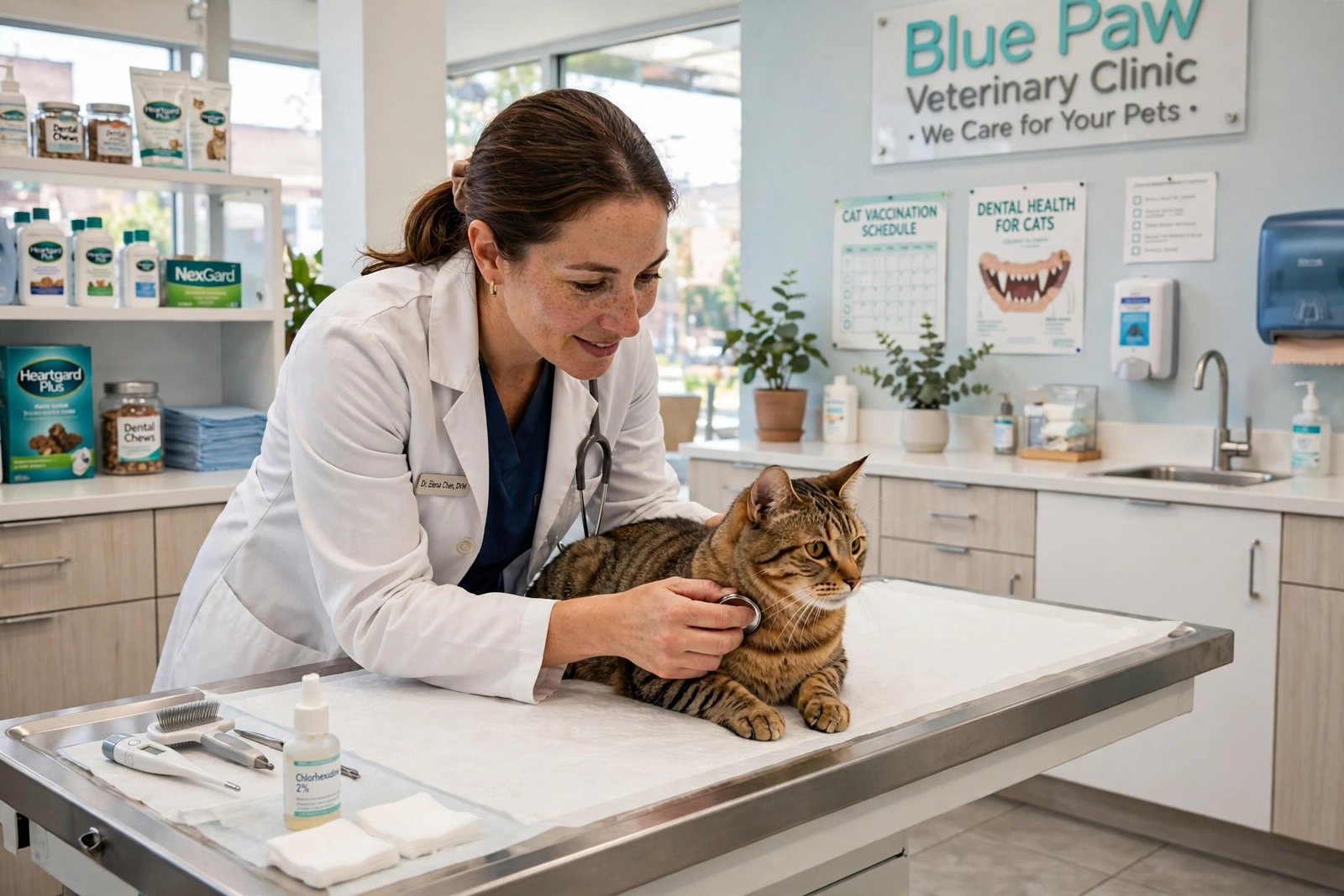
Shortlist two or three practices and visit before registering. A good reception team that knows regular clients by name, a clean waiting area with separate spaces for cats and dogs, and staff who answer questions patiently are all positive signs. Many practices offer a free “meet and greet” for new pets — take it. Watch how the vet handles a nervous animal; gentleness under pressure is the skill that counts.
Choosing a vet is much like registering with a GP in a new area — proximity, trust and how you are treated on the first visit tell you most of what you need to know.
The questions that reveal a good vet
Ask these directly, without embarrassment:
How do you handle out-of-hours emergencies? You want a clear answer, not vagueness. Some practices rotate their own vets; others hand you to a dedicated emergency clinic across town.
Can I see the same vet each time? Continuity matters for chronic conditions and anxious pets. Corporate chains with rotating locums can struggle here.
What are your consultation and common procedure fees? A trustworthy practice publishes or readily shares a price list. Evasiveness about money is a red flag.
Do you offer payment plans or accept direct insurance claims? With London vet bills, this can be the difference between treatment and heartbreak.
What is your approach to preventive care? Good vets talk about weight, dental health and vaccination schedules tailored to your pet’s lifestyle — not just selling the priciest plan.
Understanding London vet pricing
A standard consultation in London runs £50–£70; X-rays £200–£400; a routine spay £250–£450; emergency out-of-hours call-outs start around £200 before treatment. Corporate-owned practices now dominate many boroughs and tend to charge at the top of these ranges, while independents are often cheaper — though not always.
Wellness plans (monthly subscriptions covering boosters, flea treatment and check-ups) can save money if you would buy those services anyway, but read the small print: some lock you in for a year. And whatever you choose, insurance remains essential — see what a dog costs per year across the UK for why vet fees are the budget line most owners underestimate.
Red flags to walk away from
Be cautious of practices that push the most expensive option without discussing alternatives, that seem reluctant to give written estimates, that discourage second opinions, or where you never see the same vet twice. High-pressure sales of in-house food brands, supplements or “essential” add-ons at every visit is another warning sign. A good vet explains options at different price points and respects your decision.
Also check how the practice communicates: do they call with test results promptly? Can you get through on the phone? In 2026, a practice with no online booking, no email updates and a permanently engaged line is telling you something about how it is run.
Special cases: exotics, seniors and second opinions
If you keep rabbits, reptiles or birds, verify the practice genuinely treats exotics — many “small animal” vets see few of them. For elderly pets, ask about senior wellness programmes and pain management expertise. And never feel guilty about seeking a second opinion for a major diagnosis or a quote over £1,000; any confident vet will support it, and it is standard practice.
The Blue Cross and RSPCA both maintain guidance on choosing veterinary care, and can point lower-income owners toward charitable support.
What to do when something goes wrong
Even with the best vet, things occasionally go awry: a misdiagnosis, a bill far above the estimate, or a manner that left you upset. Start by raising it calmly with the practice manager — most disputes are misunderstandings that a clear conversation resolves. Ask for an itemised bill and a written explanation of the treatment decisions.
If the response is unsatisfactory, you can complain formally to the practice in writing, and ultimately to the RCVS, which investigates concerns about professional conduct. For fee disputes, an independent second opinion on both the treatment and the pricing often settles the matter. Keep records of every conversation, estimate and invoice from the start; good paperwork is your best friend if a disagreement escalates. And remember that switching practices is always an option — loyalty should be earned, not assumed.
Conclusion
A trustworthy London vet is found through verification, visits and pointed questions — not star ratings alone. Check RCVS registration, visit the practice, pin down out-of-hours arrangements and pricing, and trust your instincts about how your pet is handled. Get this decision right while your animal is healthy, and you will never have to make it in a panic at 2am. If you travel with your pet, also review the documents needed to travel with a pet from the UK well before booking anything.
Frequently Asked Questions
How much does a vet consultation cost in London?
Typically £50–£70 for a standard appointment in 2026, with emergency out-of-hours consultations starting around £200 before any treatment costs.
Are corporate vet chains worse than independents?
Not necessarily — many employ excellent vets. But chains tend to charge more, rotate staff more, and face commercial targets that independents do not, so compare carefully.
Can I change vets easily?
Yes. Ask your new practice to request your pet’s clinical history from the old one — they handle the transfer routinely, and there is no obligation to explain yourself.
Should I get a second opinion on expensive treatment?
For any quote over £1,000 or any major diagnosis, absolutely. Reputable vets expect and welcome it.
What if I cannot afford vet bills?
Charities including the Blue Cross, RSPCA and PDSA offer reduced-cost or free treatment for eligible owners. Ask your vet about payment plans too — many offer them.