
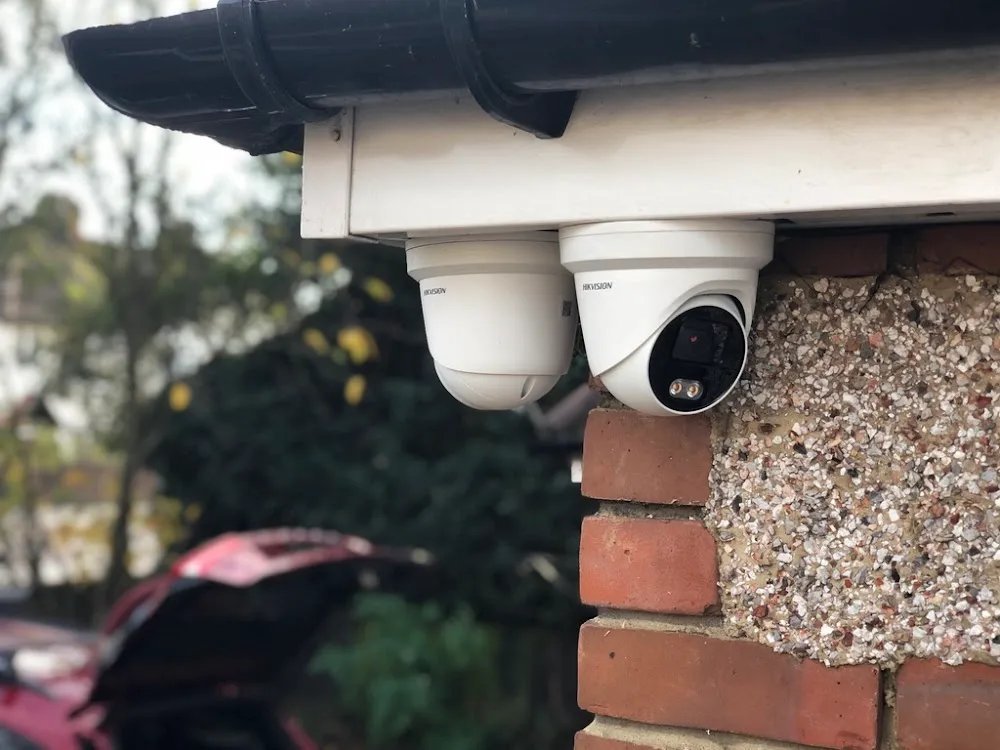
Home Security Camera Costs in the UK: Full Breakdown
Home Security Camera Costs in the UK: Full Breakdown
How much does a home security camera system cost in the UK? A single good camera starts around £60-£100; a proper 3-4 camera system runs £250-£600 DIY, or £600-£1,200 professionally installed. As with doorbells, the subscription is the cost that sneaks up on you — factor it in from day one.
I’ve spent enough time comparing home security cameras across the UK to know the headline figures rarely tell the full story. Prices shift between providers, the small print hides the real cost, and what works brilliantly for a mate in Manchester might be a poor fit for a flat in London. So let’s cut through the noise and look at what actually matters. If that’s on your mind too, have a look at our guide to is it safe to buy second-hand tech from facebook marketplace — it pairs naturally with everything below.
How much does a home security camera system cost in the UK?
DIY wireless systems are the popular choice: a 2-camera Eufy or Ring setup costs £150-£250, a 4-camera system £300-£500. Eufy’s local storage means no subscription; Ring and Google Nest charge £5-£10/month for recording history, adding £180-£360 over three years. Do the long-term maths — it often flips which brand is ‘cheaper’.
Wired PoE systems (Reolink, Hikvision via installers) cost £400-£800 for 4-8 cameras plus a recorder, with no subscriptions ever and 24/7 recording. They’re the enthusiast choice: more reliable than wifi, better footage, but they need cables run — either DIY drilling or a professional installer at £200-£400 labour.
Here’s where it gets genuinely useful. The theory is fine, but decisions happen in the detail below. Worth a read alongside this: our guide to what is the best dash cam for uk drivers under £100.
What drives the price up or down
Boiled down to what matters:
- Number of cameras: each additional camera adds £60-£150. Most homes need 2-4, not 8.
- Resolution: 2K is the sweet spot; 4K doubles storage needs for marginal visible benefit.
- Subscriptions: £0 (Eufy/Reolink local) to £10/month (Nest Aware Plus) — the biggest long-term cost variable.
- Installation: DIY £0; professional £200-£500 depending on cable runs.
- Extras: solar panels (£30-£50 per camera) end battery charging; floodlight cameras (£150-£250) combine light and camera.
If there’s one mistake I see repeated, it’s rushing this decision on a lunch break and regretting it for eighteen months. Take the extra ten minutes — this section repays it.
UK legal bits you should know
The ICO’s domestic CCTV guidance is more relaxed than people fear: filming your own property including the street is allowed, but you should angle cameras to minimise neighbours’ gardens, put up a small sign, and handle any footage requests reasonably. It’s common sense formalised, not a licensing regime.
One thing that does matter: if your cameras capture public areas and something happens, police may ask for footage — you’re entitled to decline, but most people help. And if a neighbour complains your camera stares into their bedroom, take it seriously — harassment and privacy laws do apply, and ‘it’s my security’ isn’t a blank cheque.
My recommended setups by budget
Tight budget (£150-£250): two Eufy SoloCams with local storage. No subscription, decent 2K footage, 15-minute install each. The best value in home security right now, honestly.
Mid-range (£350-£550): Eufy or Reolink 4-camera kit with a home base/NVR. Covers front, back and sides with local recording — no monthly fees, ever.
Money-no-object (£800-£1,200): professionally installed PoE system with 24/7 recording. Overkill for most, but unbeatable reliability and footage quality. Whatever you choose, position cameras to cover entry points first — a £100 camera watching the front door beats a £500 camera watching the fence.
Quick answers
What’s the biggest mistake people make with home security cameras?
Rushing in without comparing options. Most people grab the first home security cameras deal they see — usually an advert or a mate’s recommendation — and never check whether it actually fits their situation. Spend an hour comparing two or three alternatives, read the small print on the cheapest one, and you’ll dodge the regret that lands three months later when the bills arrive or the limitations start to bite.
How much should I realistically budget for home security cameras?
More than the headline price, less than the premium option. A sensible budget for home security cameras sits in the middle of the market — enough to avoid the cut corners of the cheapest tier, without paying for features you’ll never touch. Add 15-20% contingency for the extras nobody mentions upfront, and you’ll land about right. The people who blow the budget are the ones who budgeted for the advert price instead of the real one.
Is the cheapest home security cameras option ever the right choice?
Sometimes — but rarely for the reasons people think. The cheapest home security cameras option works fine when your needs are simple and the product is basically a commodity. It falls apart when reliability, support or longevity matter. Ask yourself one question: what’s the cost if this goes wrong? If the answer is ‘a bad afternoon’, go cheap and cheerful. If it’s ‘hundreds of pounds or weeks of hassle’, pay the middle price and sleep well.
Pro tip: whatever you decide about home security cameras, set a calendar reminder to review it in a year’s time. Prices, products and your own needs all shift — the people who get the best value long-term are the ones who revisit decisions, not the ones who choose perfectly on day one.
What I’d actually do
£150-£250 for a solid DIY 2-camera setup, £300-£600 for 4 cameras, £600-£1,200 installed. Go local-storage (Eufy, Reolink) to kill subscriptions, cover entry points first, and keep neighbours’ privacy in mind.
That’s the full picture as it stands. Markets move and deals change, but the principles above hold — match the choice to your real needs, read the small print, and don’t pay for things you won’t use. One last tip from me: set a calendar reminder to revisit this in twelve months. Loyalty rarely gets rewarded in the UK market, and the best deal is almost always the one you renegotiate. For the official word, see ICO domestic CCTV guidance. Which? best home security cameras is also worth a look for independent comparisons. And if you’re still weighing things up, our guide to how long should a laptop last before replacing it covers the next question most people ask.