
How Much Does a Hearing Test Cost at Specsavers?
How Much Does a Hearing Test Cost at Specsavers?
Here’s the short answer upfront: hearing tests at Specsavers are free. No catch, no obligation to buy hearing aids, no “free*” with seventeen asterisks. I had one last year out of curiosity (years of loud gigs in my twenties), and the whole thing took 30 minutes including a thorough explanation of my results. If “how much does a hearing test cost at specsavers” is the question you’ve been asking, here’s the straight answer — practical, honest, and based on what actually works.
But “free” raises questions: what’s actually included, is there a sales pitch at the end, and how does it compare to NHS or other private options? Here’s everything you need to know before booking.
What’s included in a free Specsavers hearing test
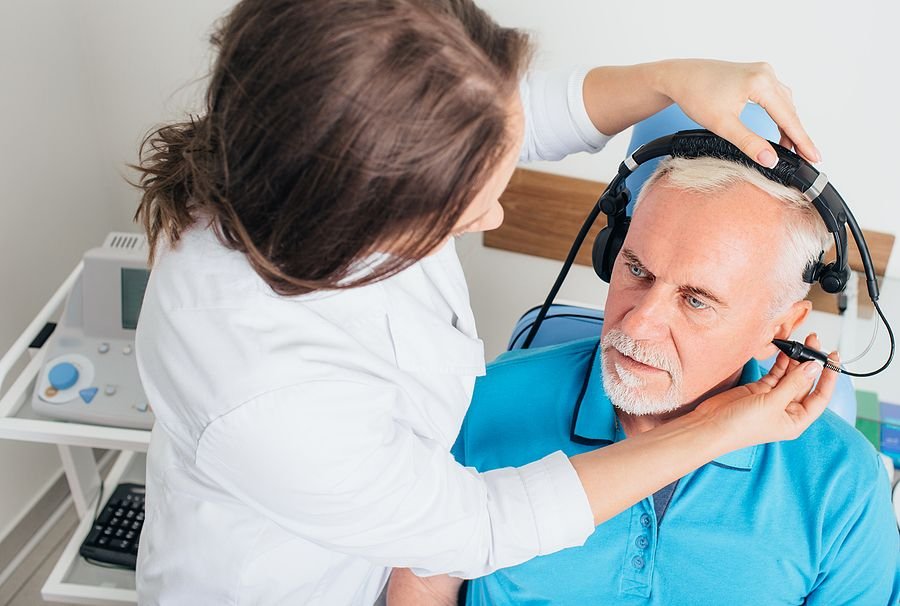
The appointment has three parts. First, a consultation about your hearing history — difficulties in noisy rooms, TV volume wars, ringing in ears (tinnitus), family history. Second, a physical examination of your ears with an otoscope, checking for wax blockages or visible issues — wax is a hugely common cause of “hearing loss” that’s instantly fixable. Third, the hearing test itself: you wear headphones in a quiet booth and press a button when you hear tones at different pitches and volumes, mapping your hearing across frequencies.
You’ll get an audiogram — a chart showing your hearing thresholds — explained in plain English, plus advice on next steps. The whole thing takes 20 to 30 minutes. If your hearing is normal, that’s it: no charge, no pressure, and they’ll suggest when to retest (typically every couple of years, or sooner if things change). Booking is online, by phone, or in-store, with appointments usually available within a week or two.
One honest note: yes, Specsavers sells hearing aids, and if you need them they’ll discuss options. In my experience the approach was consultative rather than pushy, but go in knowing your right to take the audiogram elsewhere — it’s your medical data. There’s no obligation to buy anything, ever.
Free vs paid: NHS, Boots, and independent audiologists
Specsavers isn’t the only free option. Boots Hearingcare also offers free hearing tests at many stores. Independent audiologists typically charge £30 to £60 for a test — you’re paying for longer appointments and no retail affiliation. The NHS route is free but slower: see your GP, who refers you to NHS audiology — waiting lists of several weeks to months are common, though the care itself is excellent and NHS hearing aids are free (with a wide, if unglamorous, range).
- Specsavers: free test, 20–30 mins, appointments within 1–2 weeks
- Boots Hearingcare: free test at many larger stores
- Independent audiologists: £30–£60, longer appointments, no sales angle
- NHS via GP referral: free test + free hearing aids, but weeks–months wait
- Online “hearing tests”: free but screening only — not a substitute
If you need hearing aids, this is where costs diverge properly. Specsavers hearing aids range from around £495 to £3,500+ per pair depending on technology level. NHS hearing aids are free but offer fewer features and longer waits. Private independents often charge £1,500 to £4,000 per pair but include extensive aftercare. For most people with straightforward age-related loss, mid-range devices (£1,000–£2,000/pair) perform excellently — the ultra-premium tier buys marginal gains for most users.
Signs you should book a test
Don’t wait until you’re shouting “what?” at everyone. Early signs of hearing loss: struggling to follow conversations in noisy restaurants, needing the TV louder than others prefer, finding phone calls harder, mishearing words, tinnitus (ringing or buzzing), or people telling you you’re speaking loudly. Hearing loss creeps up over years — most people adapt without noticing, and partners usually spot it first.
There’s a strong case for not delaying: untreated hearing loss is linked to social isolation, depression, and — strikingly — is one of the largest modifiable risk factors for dementia. The mechanism seems to be cognitive load and reduced stimulation. Getting aids when needed isn’t vanity; it’s brain health. And modern hearing aids are discreet — the stigma belongs to a previous generation of beige bananas behind ears.
Book urgently (GP same-day or A&E) for: sudden hearing loss in one or both ears (this is an emergency — treatment within days matters), hearing loss with severe dizziness or facial weakness, or discharge/bleeding from the ear. Sudden sensorineural hearing loss needs steroids fast; don’t “wait and see” on this one.
Getting the most from your appointment
Before you go, note specific situations where you struggle — “can’t hear in the pub,” “miss the doorbell,” “left ear worse on the phone.” Concrete examples help the audiologist enormously. Bring a list of medications (some, like certain diuretics and high-dose aspirin, affect hearing) and mention tinnitus even if it’s mild.
Ask for a copy of your audiogram — it’s useful for comparison later and if you seek a second opinion on hearing aids. If aids are recommended, ask about trial periods (most reputable providers offer 30–90 days), what’s included in aftercare (adjustments, servicing, warranties), and the total cost including batteries or charging. And if the quoted price shocks you, remember the NHS route exists — free aids, no means test, just patience required. For vision rather than hearing, see how often to get your eyes tested.
Tinnitus: when the ringing needs attention
Ringing, buzzing, or hissing in the ears — tinnitus — often shows up alongside hearing changes, and it’s worth mentioning at your hearing test even if it seems minor. Brief tinnitus after loud noise is common and usually fades. Persistent tinnitus (weeks or more) deserves assessment, because while it’s usually benign, it occasionally signals conditions needing treatment: earwax impaction, middle-ear problems, or rarely acoustic neuroma.
The reassuring facts: for most people tinnitus is manageable and often improves with time as the brain habituates. What helps: treating any underlying hearing loss (hearing aids often reduce tinnitus as a side benefit), sound therapy (background noise, especially at night — a fan or white noise app stops the silence amplifying the ringing), CBT-based tinnitus programmes (the NHS offers these via audiology referral — genuinely effective for the distress, if not the sound itself), and avoiding silence and excessive caffeine.
What doesn’t help: total silence (avoid it), unproven supplements (ginkgo and the like have poor evidence), and anxious monitoring — the more you listen for it, the louder it seems, which is a neurological fact not a dismissal. The British Tinnitus Association (tinnitus.org.uk) has excellent free resources and a helpline. Mention tinnitus at your Specsavers test — they’ll check for treatable causes and refer appropriately. Most tinnitus isn’t dangerous, but it deserves the same “get it checked” approach as hearing loss itself.
How Much Does a Hearing Test Cost at Specsavers: The Short Answer
The test is free at Specsavers, takes 30 minutes, and there’s no obligation to buy — book it if you’ve noticed changes, and get quotes from two providers if hearing aids are recommended. Related reading: whether you need reading glasses and NHS guide to hearing loss.