
How Much Cash Should You Take on Holiday to Turkey?
How Much Cash Should You Take on Holiday to Turkey?
Turkey is one of those destinations where the cash question actually matters. Unlike Scandinavia (card-only) or parts of Asia (cash-only), Turkey sits in the middle: cards widely accepted in tourist areas, cash still king in markets, small restaurants and for tipping. Get the mix wrong and you’ll either pay ATM fees every other day or carry a wad of lira you’re nervous about. Here’s how much to take and how to handle money in Turkey in 2026. This guide covers how much cash to take on holiday to Turkey — card vs cash, where to exchange, and the traps to avoid.
How Much Per Day? (Excluding Accommodation)
- Budget: £30–£50/day. Local restaurants, public transport/dolmuses, free beaches, one paid activity. Turkey is superb value at this level.
- Mid-range: £60–£100/day. Nice restaurants, taxis, boat trips, guided tours, shopping.
- Luxury: £120–£250+/day. Fine dining, private tours, spa hammams, Cappadocia balloons (£150–£250 — the big splurge, worth it).
Weekly cash suggestion: take £150–£250 in lira equivalent as your cash base for a mid-range week, and put the rest on a fee-free card. You’ll top up from ATMs if needed.
Lira, Pounds or Euros?
Pay in Turkish lira, always. Some tourist shops quote in euros or pounds, but the exchange rate they offer is invariably worse than paying in lira. When paying by card, always choose lira if offered a choice (dynamic currency conversion to pounds costs 3–8% extra). Get your lira from a fee-free UK card at a Turkish ATM — or exchange a small amount before flying for arrival (airport rates are poor; just enough for the taxi).
Cash vs Card in Turkey
- Cards accepted: hotels, malls, chain restaurants, larger tour operators, most of Istanbul’s tourist areas.
- Cash needed: bazaars and markets (haggling is cash-only), small lokantas, street food, dolmuses/minibuses, tips, beach vendors, smaller towns and rural areas.
- Split: roughly 50/50 cash/card for a typical tourist week. Istanbul and Antalya: more card. Cappadocia villages, the Turquoise Coast’s smaller bays: more cash.
ATMs in Turkey: The Rules
- Use a fee-free card (Monzo, Starling, Chase, Halifax Clarity) — Turkish ATMs plus your bank’s fees can stack otherwise.
- Decline the ATM’s conversion offer (“convert to pounds?”) — always take lira and let your bank convert.
- Some Turkish bank ATMs charge withdrawal fees (£2–£5) — try a few banks; fees vary. PTT (post office) ATMs are often fee-free.
- Withdraw larger amounts less often to minimise per-transaction fees.
- Inform your bank you’re travelling (most apps handle this automatically now).
Our currency exchange guide covers the general principles in depth.
Tipping in Turkey
Tipping is expected and cash-based — another reason to carry lira:
- Restaurants: 10% if service isn’t included (check the bill — “servis ücreti”).
- Cafés/bars: round up or leave small change.
- Hotel staff: porters 20–50 lira, housekeeping 50–100 lira/day at checkout.
- Tour guides/drivers: 10%, more for exceptional private tours.
- Hammams: 10–15% to your attendant.
Money Safety
- Split cash between wallet and hotel safe — never carry it all.
- Use hotel safes; take a photo of your passport and keep the original locked up (carry a copy).
- Beware the classic scams: the “friendly” bar invitation (exorbitant bill), shoe-shine drop, and over-helpful “guides” at major sights. Polite firmness works.
- Keep small notes for markets and tips — breaking large notes in small shops is awkward.
Before You Go on Holiday: The Checklist
- Travel insurance: essential — best UK travel insurance. Turkey is outside GHIC coverage, so insurance is your only medical safety net.
- eSIM or roaming plan: Turkey is outside EU roaming — UK provider charges are steep. Get an eSIM — see best eSIMs.
- Visa: UK citizens don’t need a visa for tourist visits under 90 days (check current rules before travelling).
Turkey’s Regions: Where to Go
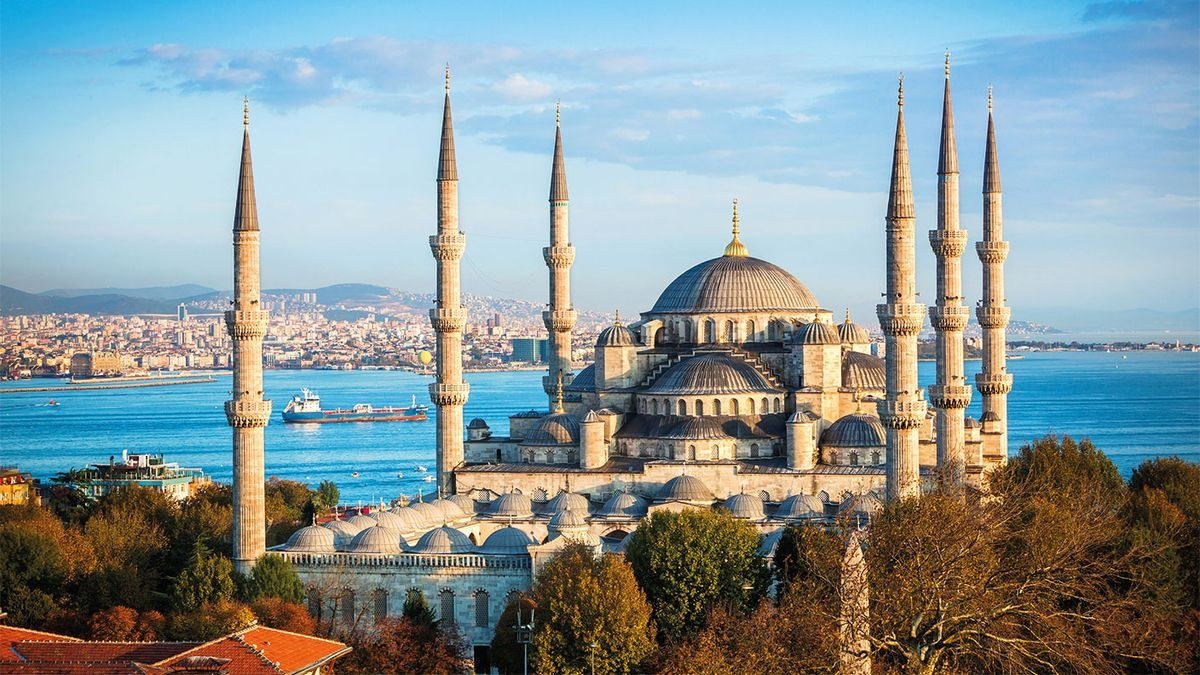
- Istanbul: the essential — Hagia Sophia, Blue Mosque, Grand Bazaar, Bosphorus cruise. 3–4 days minimum. Cash/card mix; cards widely accepted.
- Cappadocia: fairy chimneys, cave hotels, the balloon flight (£150–£250 — book ahead, weather-dependent). Cash-heavy in villages; cards fine in Göreme town.
- Antalya & the Turquoise Coast: beaches, resorts, the old town (Kaleiçi). The package-holiday heartland — see our package vs DIY guide.
- Bodrum & the Aegean: whitewashed towns, gulet cruises, a livelier scene. Pricier than Antalya.
- Ephesus & Pamukkale: the history hits — Ephesus rivals Pompeii; Pamukkale’s travertine terraces are surreal. Doable as day trips from Kuşadası/Denizli.
Haggling: The Rules
Haggling is expected in bazaars and markets — and cash-only. The etiquette:
- It’s a game, play it warmly. Smile, chat, accept the tea. Aggressive haggling is rude; playful haggling is the culture.
- Start at 50–60% of the asking price for souvenirs; meet in the middle. For higher-value items (carpets, jewellery), the dance is longer.
- Walking away is your power move. The price drops as you leave. If it doesn’t, the price was fair.
- Don’t haggle in restaurants, malls, or for fixed-price items — it’s markets and independent shops only.
- Small purchases: don’t haggle over £2 — it’s undignified. Save it for meaningful amounts.
- Have small notes ready. Agreeing on 200 lira then producing a 1,000 note kills the deal’s momentum.
Staying Connected and Covered
- Connectivity: Turkey is outside EU roaming — UK charges are steep. Get an eSIM before flying (see best eSIMs) or buy a local Turkcell/Vodafone tourist SIM at the airport (€15–€25 for generous data).
- Insurance: Turkey is outside GHIC coverage — comprehensive travel insurance isn’t optional, it’s your only medical safety net. See best travel insurance.
- Entry: UK citizens get 90 days visa-free for tourism (verify current rules before travelling — they change).
- Useful apps: BiTaksi (Turkish Uber equivalent), Google Translate (camera mode for menus), XE Currency.
For the general money principles behind all of this, our currency exchange guide is the deep dive — and if your flight’s disrupted, delayed flight compensation (note: UK261 applies to UK departures regardless of destination).
Safety and Practicalities in Turkey
Turkey is a welcoming destination, but a few practical notes:
- Scams to know: the “friendly local” bar invitation (leads to an extortionate bill), overcharging in tourist-area taxis (agree the fare or insist on the meter), and inflated “tourist prices” in bazaars (haggle — see above). Standard big-city awareness covers most of it.
- Water: tap water is technically safe in cities but heavily chlorinated — most visitors drink bottled (cheap, everywhere).
- Dress codes: cover shoulders and knees for mosques (scarves provided at major ones); beachwear is fine at resorts but cover up in towns.
- Earthquake awareness: Turkey is seismically active — note emergency exits in hotels, as you would anywhere.
- Check advice before travelling: the gov.uk Turkey travel advice page has current entry requirements, safety guidance and regional advisories — check it before every trip, as advice changes.
- Emergency numbers: 112 works for all emergencies (the EU-standard number adopted in Turkey).
The Practical Takeaway
Take £150–£250 in lira as a cash base for a mid-range week in Turkey, use a fee-free card for the rest, always pay in lira (never accept conversion to pounds), and carry cash for markets, small restaurants and tips. Withdraw from ATMs strategically, decline conversion offers, and keep your cash split safely. Turkey rewards the prepared: sort money, insurance and connectivity before you fly, then focus on the important things — the food, the coast, and haggling for that carpet you definitely don’t need. For claiming if flights go wrong, see delayed flight compensation.
One thought on “How Much Cash Should You Take on Holiday to Turkey?”