
How to Plan a Road Trip Around Scotland
How to Plan a Road Trip Around Scotland
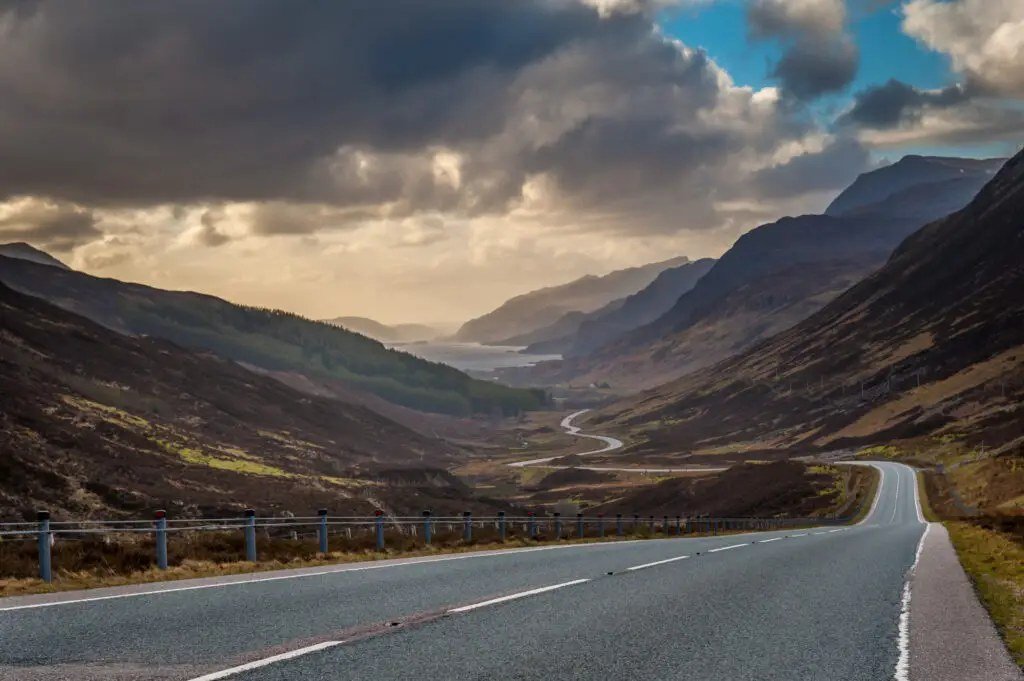
Scotland is arguably the best road-trip country in Europe — empty single-track roads, glens that look computer-generated, castles around every bend, and the peculiar joy of driving 30 miles without seeing another car. I’ve driven most of it, made most of the mistakes (midges in August, I’m looking at you), and here’s everything I’d tell a friend planning their first Scottish road trip.
When to Go
- May and September: the sweet spot — long daylight, fewer midges, lower prices, decent weather odds.
- June–August: best weather statistically, but midges (late June–August, west coast especially), crowds, and peak prices. Book accommodation far ahead.
- October–April: dramatic, empty, cheap — but short days (7 hours of light in December), some roads/attractions closed, and real winter driving conditions in the Highlands.
My pick: late May. The light is endless, the midges haven’t mobilised, and the verges are full of wildflowers.
How to Plan a Road Trip Around Scotland: The Classic Routes
The North Coast 500 (5–7 days)
Scotland’s famous 516-mile loop from Inverness around the far north. Stunning, but don’t rush it — 5 days minimum, 7 better. Full details in our North Coast 500 guide.
The West Coast & Islands (7–10 days)
Glasgow → Glencoe → Fort William → Mallaig → ferry to Skye → Applecross (Bealach na Bà — Britain’s best driving road) → Torridon → Ullapool. This is my favourite route: maximum drama per mile.
Edinburgh & the East (4–5 days)
Edinburgh → St Andrews → Aberdeen coast → Cairngorms → Pitlochry → Stirling. Castles, whisky, coastline — gentler driving, great for first-timers.
Islands Add-On
Skye (bridge, easy), Mull (ferry from Oban, eagles and otters), Arran (“Scotland in miniature”, ferry from Ardrossan). Island-hop if time allows — the ferries (CalMac) are part of the experience. Book car ferry slots ahead in summer.
What It Costs (Per Couple, Per Week)
- Budget (£700–£1,000): camping/hostels, self-catering, supermarket food, your own car.
- Mid-range (£1,200–£2,000): B&Bs (£90–£140/night), pub/restaurant meals, car hire or campervan.
- Fuel: ~£150–£250 for 1,000 miles depending on vehicle.
- Car hire: £250–£500/week; campervan £600–£1,200/week — see our campervan hire costs and where to park overnight.
Where to Stay
- B&Bs: the Scottish classic — book ahead in summer, especially on the NC500 where capacity is limited.
- Youth hostels (Hostelling Scotland): excellent, often in stunning locations, from £25/night.
- Camping: wild camping is legal in Scotland (with the Outdoor Access Code) — the ultimate budget option. Campsites £10–£25/night.
- Self-catering cottages: best for 4+ nights; weekly lets often beat nightly B&B maths.
Essential Practical Tips
- Single-track roads: use passing places (on your left), pull in for oncoming traffic, and never park in them. It’s a cooperative system — be courteous.
- Fuel up when you can. Petrol stations are sparse in the far north-west. Never pass one with less than half a tank.
- Midges: bring Smidge repellent and a head net for summer evenings. They can’t be overstated. (May/September largely avoids them.)
- Phone signal: patchy to nonexistent in the Highlands. Download offline maps.
- Weather: pack for four seasons daily, whatever the month. Waterproofs are non-negotiable.
- Book dinners ahead in small Highland villages — restaurants are few and fill up.
- Distilleries: book tours ahead (they sell out); drivers can do the “driver’s dram” (samples to take away).
Scotland’s Distilleries: The Whisky Trail
No Scottish road trip is complete without whisky, and the distilleries are set up for visitors:
- Speyside: the densest concentration — Glenfiddich, Macallan, Glenlivet all do excellent tours (£15–£30). The Malt Whisky Trail links them.
- Islay: the pilgrimage — Laphroaig, Lagavulin, Ardbeg. Peaty, intense, unforgettable. Needs a ferry and planning.
- Highland distilleries on the routes: Dalwhinnie (on the A9), Oban, Talisker (Skye), Glenmorangie (Tain, near the NC500).
- The driver’s dram: distilleries offer small sample bottles for drivers — the tasting without the driving. A civilised solution.
- Book ahead: popular distillery tours sell out days ahead in season. The £15–£30 includes generous tastings — it’s excellent value.
Even non-whisky-drinkers enjoy the tours — the craft, the history, the buildings. And the gift shops are dangerous for wallets.
Highland Etiquette: Being a Good Visitor
The Highlands’ popularity strains small communities. The code:
- Drive considerately: single-track etiquette (passing places, patience), slow through villages, never park in passing places.
- Book ahead: turning up without accommodation in August helps no one — not you, not the fully-booked B&Bs.
- Shop local: village shops, local cafés, farm shops. Your money keeps these communities alive.
- Leave no trace: wild camping is a privilege — take everything, bury or bag waste properly, no fires in sensitive areas. The Scottish Outdoor Access Code is the rulebook; read it.
- Respect the land: close gates, keep dogs under control (lambing season is serious), don’t disturb wildlife for photos.
- Learn a little: the history (Clearances, clans, crofting) adds depth to every glen. A good guidebook transforms the landscape from pretty to profound.
Scotland in Different Seasons: What Changes
- Spring (Apr–May): lambs, wildflowers, long light, fewest tourists. My favourite.
- Summer (Jun–Aug): warmest, busiest, midgiest. Book everything. The Edinburgh Festival (August) is worth building a trip around.
- Autumn (Sep–Oct): golden light, autumn colours, rutting stags (hear them in the glens), thinning crowds. Photographers’ season.
- Winter (Nov–Mar): short days, possible snow, some closures — but empty roads, dramatic light, cosy pubs, and the Northern Lights (occasionally visible in the far north).
For the big northern loop specifically, our North Coast 500 guide has the detail — and if you’re hiring wheels, campervan costs and overnight parking rules complete the picture.
Scotland’s Weather: A Practical Guide
Scottish weather is a meme, but it’s manageable with the right mindset:
- It will rain. Accept it. Some of Scotland’s most atmospheric moments happen in rain — mist in the glens, waterfalls at full power, empty viewpoints.
- Layers, not bulk: base + fleece + shell, adjustable through the day. The temperature swing from morning to afternoon can be 10°C.
- Wind is the real story: 40mph gusts are normal on exposed coasts and hills. Check the Mountain Weather Information Service (MWIS) if heading high.
- Midges: late June–August, west coast, still evenings. Smidge repellent + head net + long sleeves. Or visit in May/September and skip the issue entirely.
- Daylight: 18+ hours in June (pack an eye mask), 7 hours in December (plan accordingly).
- The reward: when the light breaks through — and it does, suddenly and gloriously — there’s nowhere on earth more beautiful. Every Scot knows the feeling; now you will too.
The Practical Takeaway
Plan a Scotland road trip around May or September, give the NC500 5–7 days (or do the west coast for maximum drama), budget £1,200–£2,000 per couple per week mid-range, book accommodation ahead in summer, and respect the single-track etiquette. Bring midge repellent, offline maps, and waterproofs — and prepare for the strange experience of driving through landscapes so beautiful they feel unrealistic. Scotland ruins other road trips for you. You’ve been warned.