
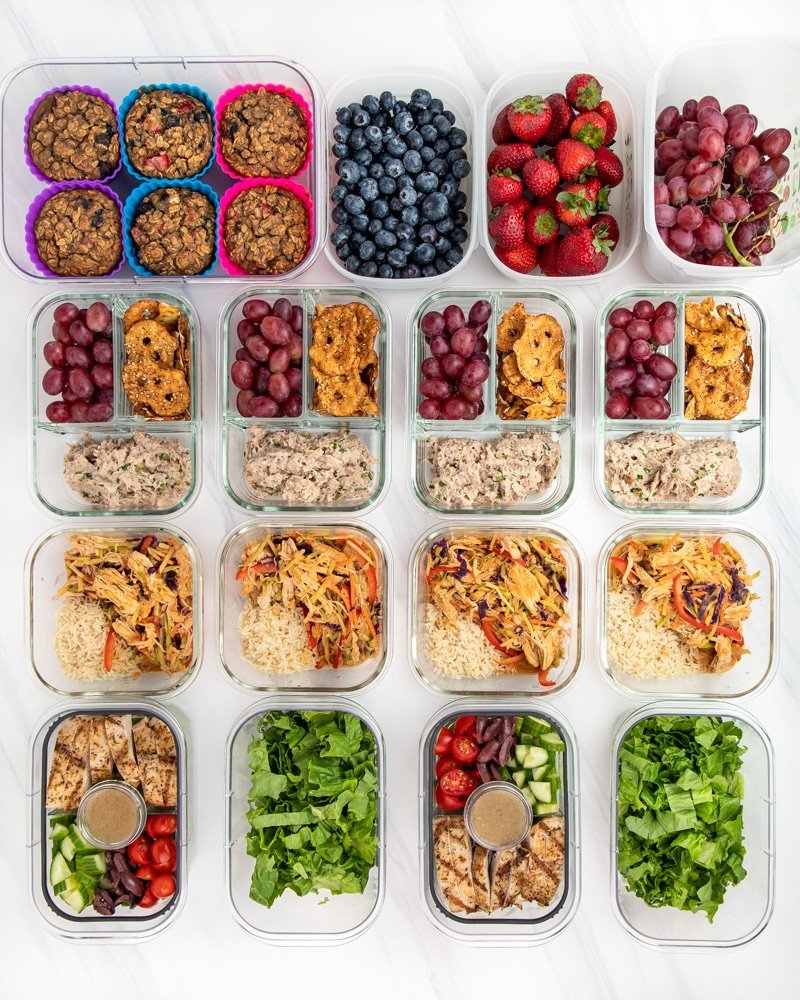
How to Meal Prep for the Week on a Budget (UK Guide)
How to Meal Prep for the Week on a Budget (UK Guide)
Meal prep sounds like Instagram fitness culture — but done practically, it’s the highest-impact money-saving habit in the kitchen. Here’s how to meal prep for the week on a budget: real food, minimal fuss, maximum saving.
Why it saves so much money
- Kills food waste: you buy exactly what you’ll cook — the average UK family bins £60/month of food
- Kills impulse takeaways: the £25 Deliveroo happens when there’s “nothing in” — prepped food removes the excuse
- Bulk buying: prepping 5 portions of chilli costs little more than 2
- Cheaper ingredients: prepped meals lean on cheap staples (rice, lentils, oats, frozen veg) that cost pennies per portion
Realistic saving: £30–£60/week for a family vs unstructured shopping and regular takeaways.
The Sunday session (90 minutes)
Before you start: plan (15 min)
- Pick 2–3 base meals for the week (not 7 different dinners — that’s unsustainable)
- Check what needs using up first
- Write the shopping list from the plan — nothing else goes in the trolley
Cook (60 min, overlapping)
The trick is parallel cooking:
- Oven on: tray of roasted veg + tray of chicken thighs/breasts (25 min, hands-off)
- Hob: big pot of grains (rice/quinoa/bulgur wheat) + big pot of sauce (bolognese/chilli/curry base)
- While they cook: chop salad veg, portion snacks, make overnight oats for breakfasts
- Cool, portion, store — label with the day
Store properly
- Fridge (3–4 days): cooked meats, grains, roasted veg in airtight containers
- Freezer (3 months): sauces, chillies, curries, soups — freeze in portion sizes
- Don’t prep: dressed salads (soggy), fried food (limp), anything you’ll hate by Thursday
- Cool food within 2 hours and refrigerate — food safety isn’t optional (see Food Standards Agency guidance)
Budget prep staples (the cheap heroes)
- Oats: 75p/kg — overnight oats for a week of breakfasts
- Rice: £1–£1.50/kg — the base of everything
- Red lentils: £1.50/kg — dal, soup, bolognese stretcher
- Tinned tomatoes: 30–40p/tin — sauce base
- Frozen veg: £1–£1.50/kg — as nutritious as fresh, zero waste
- Chicken thighs: £3–£4/kg — cheaper and tastier than breast
- Eggs: £1.50–£2/10 — frittatas, fried rice, emergency protein
Five budget prep meals that don’t get boring
- Chilli con carne (batch) — serve over rice, in wraps, on jacket potatoes across the week
- Chicken traybake — thighs + whatever veg is cheap, one tray, minimal washing up
- Red lentil dal — costs under £1 for 4 portions, freezes brilliantly
- Overnight oats — 5 jars, 10 minutes, breakfast sorted
- Frittata — uses up leftover veg and cheese; good hot or cold
For more slow-cooked batch ideas, see our budget slow cooker recipes for families.
Keeping it sustainable (the part everyone skips)
- Start with 3 days, not 7 — build the habit before the ambition
- Prep components, not meals: cooked grains + roasted veg + protein = mix-and-match all week without boredom
- One new recipe at a time — batch-cook what you already like first
- Keep a “prep fails” list — if nobody ate the quinoa, don’t prep quinoa again
- It’s OK to buy some prepped food — rotisserie chicken + bagged salad is still cheaper than takeaway
The bottom line
Pick 2–3 meals, cook them in parallel on Sunday, store properly, and eat well all week for a fraction of the unstructured cost. Start small (3 days of lunches), use cheap staples, and prep components for flexibility. The families who stick with meal prep don’t have more willpower — they just made the easy choice the cheap choice too. For the bigger budget picture, see weekly food shop costs.
Meal prep for fussy eaters and mixed households
The #1 meal-prep killer: cooking food nobody wants to eat by Wednesday. Solutions for mixed households: prep components, not finished meals — cooked grains, roasted veg, proteins, sauces stored separately. Everyone assembles their own plate: the kids have plain chicken + rice, you have the spicy version, nobody’s unhappy. The “base + topping” system: one neutral base (rice, pasta, couscous) + 2–3 topping options (bolognese, roasted veg, chickpea curry) = 6+ combinations from one prep session.
For fussy kids: involve them in choosing the week’s meals (from a shortlist you control), prep one “safe” meal they always eat alongside the adventurous one, and use the bridge technique — new foods alongside familiar ones, not replacing them. For couples with different diets (one veggie, one not): prep a shared veggie base + separate proteins. The vegetarian partner isn’t an inconvenience — the shared base is usually the bulk of the meal anyway. Texture is the real divider: keep crunchy things separate from saucy things until serving — soggy texture ruins more prepped meals than flavour does.
Meal prep FAQs
How long does prepped food last in the fridge? 3–4 days for cooked meats, grains and veg (FSA guidance). Prep Sunday → eat through Wednesday, then a mini-prep Wednesday evening (30 minutes) for Thursday–Friday. Freezer: 3 months for soups, stews, curries, chilli. Label everything with the date — mystery containers get binned, labelled ones get eaten.
What containers should I use? Glass with locking lids (£15–£25 for a set — IKEA 365+) — microwave-safe, oven-safe, don’t stain, last years. Avoid cheap plastic for hot food (staining, warping, questionable chemicals). Portion-size containers (750ml–1L) beat one giant tub — grab-and-go works, giant tubs don’t. Mason jars for overnight oats and salads (layer dressing at the bottom — no sogginess).
Can I meal prep salads? Yes, with the jar method: dressing on the bottom, hard veg next (carrots, peppers), then grains/protein, leaves on top — 5 days staying crisp. Don’t: dress leaves in advance, prep avocado (browns), or store cut tomatoes with leaves (they weep). Keep crunchy toppings separate (nuts, croutons in a small pot).
Is meal prep safe? (Food safety rules) Cool within 2 hours (spread on trays to cool fast — don’t put hot food straight in the fridge), fridge below 5°C, reheat once only to steaming hot throughout (75°C), eat within 3–4 days. Rice deserves special care: cool within 1 hour, refrigerate immediately — Bacillus cereus loves warm rice. These aren’t fussy rules — they’re the difference between meal prep and food poisoning. See Food Standards Agency guidance.
How do I start if I’ve never cooked? Start embarrassingly small: prep breakfasts only (overnight oats — no cooking, 10 minutes, 5 days sorted). Week 2: add one batch dinner (chilli — nearly impossible to ruin). Week 3: add lunches. Master 5 recipes before expanding — competence with 5 beats ambition with 20. YouTube: search “budget meal prep UK” — watching someone do it once teaches more than reading ten guides.