
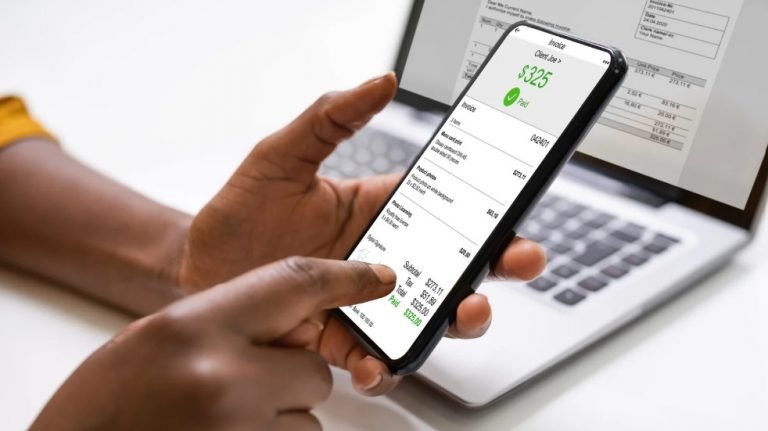
How to Invoice a Client as a Freelancer in the UK (Without the Awkward Bits)
If you’ve been wondering how do I invoice a client as a freelancer in the uk, you’re not alone. Sending your first invoice feels oddly nerve-wracking. You’ve done the work, the client seemed happy, and now you have to ask — formally, in writing — for money. Plenty of new freelancers delay it, send something vague over WhatsApp, or forget half the details and then wonder why payment takes six weeks. A proper invoice isn’t just professional polish; in the UK it’s what gives you legal standing if things go sideways. The good news? It takes about ten minutes once you know what belongs on the page.
Here’s the thing: How do I invoice a client as a freelancer in the uk is one of those topics where a little clear information saves a lot of confusion. Let’s break it down properly.
How do I invoice a client as a freelancer in the uk?
Every UK invoice needs a unique invoice number, your name and address, your client’s name and address, a clear description of the work, and the date the goods or services were supplied. Show the amounts clearly: the total before VAT, any VAT charged (only if you’re VAT registered — don’t add VAT if you’re not), and the final total due in pounds. It’s the kind of detail that seems minor until it costs you real time or money. (We’ve also covered how do I protect my business idea in the uk in detail.)
Include your payment terms prominently, typically 14 or 30 days. ‘Payment due within 30 days of invoice date’ is the standard most UK freelancers use. The people who handle basics like this well are usually the ones who never have horror stories. You can check the official guidance on the government’s invoicing rules for businesses for the full details.
Here’s the thing: Add your payment details — bank name, sort code and account number, or a payment link. Make paying you the easiest part of your client’s day. It’s the kind of detail that seems minor until it costs you real time or money.
What to do step by step
Enough theory — here’s how to handle this in practice. These are the steps I’d actually follow:
- UK law gives you strong protection: under the Late Payment of Commercial Debts (Interest) Act 1998, you can charge statutory interest at 8% above the Bank of England base rate on overdue invoices. Treat this as maintenance, not a one-off project, and it stays painless.
- You can also claim a fixed compensation fee for late payment — £40 for debts under £1,000, £70 up to £10,000, and £100 above that — on top of the interest. It’s worth revisiting this point once a year, as rules, prices and best practice all shift.
- Free invoicing tools like Wave, or affordable ones like FreeAgent and QuickBooks, generate professional invoices and chase late payers automatically. Treat this as maintenance, not a one-off project, and it stays painless.
- Keep copies of every invoice for at least six years — HMRC can ask to see them, and you’ll need them for your Self Assessment. It’s worth revisiting this point once a year, as rules, prices and best practice all shift.
Related reading: our guide to how much does it cost to hire an accountant for a small business pairs well with everything above.
Common mistakes to avoid
A quick word on what not to do — these are the traps I see people fall into most often:
- Ignoring the paperwork until there’s a problem — by then your options are limited and expensive.
- Taking advice from social media instead of official sources — confidently wrong is still wrong.
- Choosing the cheapest option without checking what’s actually included — false economies are everywhere in business.
- Putting it off because it feels complicated — most of these tasks take under an hour once you actually start.
My honest take
I’ve tested a few invoicing tools over the years, and honestly the tool matters less than the habit. The freelancers who get paid on time are the ones who invoice the same day the work is delivered, with crystal-clear terms. Send it fast, make it easy to pay, and don’t be shy about the late-payment clause — it’s there for a reason.
The broader point is worth stating plainly: how do I invoice a client as a freelancer in the uk isn’t just admin — it’s one of those unglamorous foundations that separates businesses that last from those that flame out. Spend the time now, do it properly, and you’ll barely think about it again. Neglect it, and it has a habit of becoming urgent at the worst possible moment.
For independent further reading, MoneySavingExpert’s freelance money guides is a solid next stop.
Quick answers
What’s the single most important thing to know about how do I invoice a client as a freelancer in the uk?
Every UK invoice needs a unique invoice number, your name and address, your client’s name and address, a clear description of the work, and the date the goods or services were supplied. The people who handle basics like this well are usually the ones who never have horror stories.
Where should I start?
Show the amounts clearly: the total before VAT, any VAT charged (only if you’re VAT registered — don’t add VAT if you’re not), and the final total due in pounds. Begin there and build from a solid foundation rather than trying to do everything at once.
What’s the biggest mistake people make?
Ignoring the paperwork until there’s a problem — by then your options are limited and expensive. Avoid that trap and you’re already ahead of most people.
Putting it into action
Reading about how do I invoice a client as a freelancer in the uk is the easy part — acting on it is what actually moves your business forward. Here’s a simple checklist to go from reading to doing within the next seven days. None of these steps takes more than an hour, and together they cover the essentials properly.
- Block out one focused hour this week to complete the single most important action from the practical steps above — momentum beats perfection every time.
- Gather the relevant documents and information into one folder, digital or physical, so everything is ready when you sit down to do the task.
- Set a calendar reminder to review this area in three months — tax rules, prices and your business situation all change, and a quick review keeps you ahead.
The bottom line
Invoicing as a UK freelancer boils down to this: unique number, both addresses, clear description, amounts, payment terms, and your bank details. Add the late-payment interest note — most clients pay faster just seeing it there. Set up a simple template once, reuse it forever, and make invoicing a same-day habit. Your cash flow will thank you. And if this raised more questions, our piece on how do I close a limited company in the uk is worth a look next.
One thought on “How to Invoice a Client as a Freelancer in the UK (Without the Awkward Bits)”