
How Do I Boost My Immune System During Flu Season?
How Do I Boost My Immune System During Flu Season?
Every autumn, the immune-boosting industry goes into overdrive: elderberry syrups, megadose vitamin C, “immune support” teas at £8 a box. I used to buy into most of it, dutifully dosing myself through winter while still catching every cold going. Then I looked at what immunologists actually recommend, and it’s both more boring and more effective than the supplement aisle suggests. “how do I boost my immune system during flu season” — let’s get into it properly, with the detail and straight talking the question deserves.
Here’s the truth: you can’t “boost” your immune system above normal with products — but you can stop suppressing it, and most of us suppress it daily without realising. This guide covers what genuinely supports immune function through flu season, what’s myth, and the single most effective intervention that isn’t a supplement.
The foundations: sleep, stress, and movement
Sleep is the heavyweight champion of immune function. People sleeping under six hours a night are over four times more likely to catch a cold when exposed to a virus than those sleeping seven-plus hours — that’s from a well-known Carnegie Mellon study, not wellness folklore. One bad night measurably reduces natural killer cell activity. During flu season, protecting your sleep is the highest-impact immune strategy available, and it’s free.
Chronic stress is the second suppressor. Prolonged cortisol elevation dampens immune responses — which is why people so often fall ill the week after a stressful project ends (the “let-down” effect). You can’t eliminate stress, but regular decompression (exercise, time outdoors, actual rest) prevents the chronic elevation that does the damage. Moderate exercise is the third pillar: regular moderate activity enhances immune surveillance, while both complete inactivity and extreme overtraining impair it. The sweet spot is exactly the standard weekly exercise guidelines — another reason to hit them.
- Sleep 7–9 hours: the single biggest immune lever
- Manage chronic stress: cortisol suppresses immune function
- Moderate exercise most days: enhances immune surveillance
- Don’t smoke; moderate alcohol: both impair immunity measurably
Nutrition: what actually matters (and the vitamin D story)
No food “boosts” immunity, but deficiencies impair it — the distinction matters. The nutrients with the best evidence: vitamin D, vitamin C, and zinc — specifically correcting deficiency, not megadosing beyond sufficiency. Vitamin D deserves special attention in the UK: from October to March, sunlight is too weak for skin synthesis, and the government recommends everyone consider a daily 10mcg supplement. Around 1 in 6 UK adults are deficient in winter. It’s cheap (£3–£5 for months’ supply), safe at recommended doses, and the one supplement with a genuine public-health recommendation behind it.
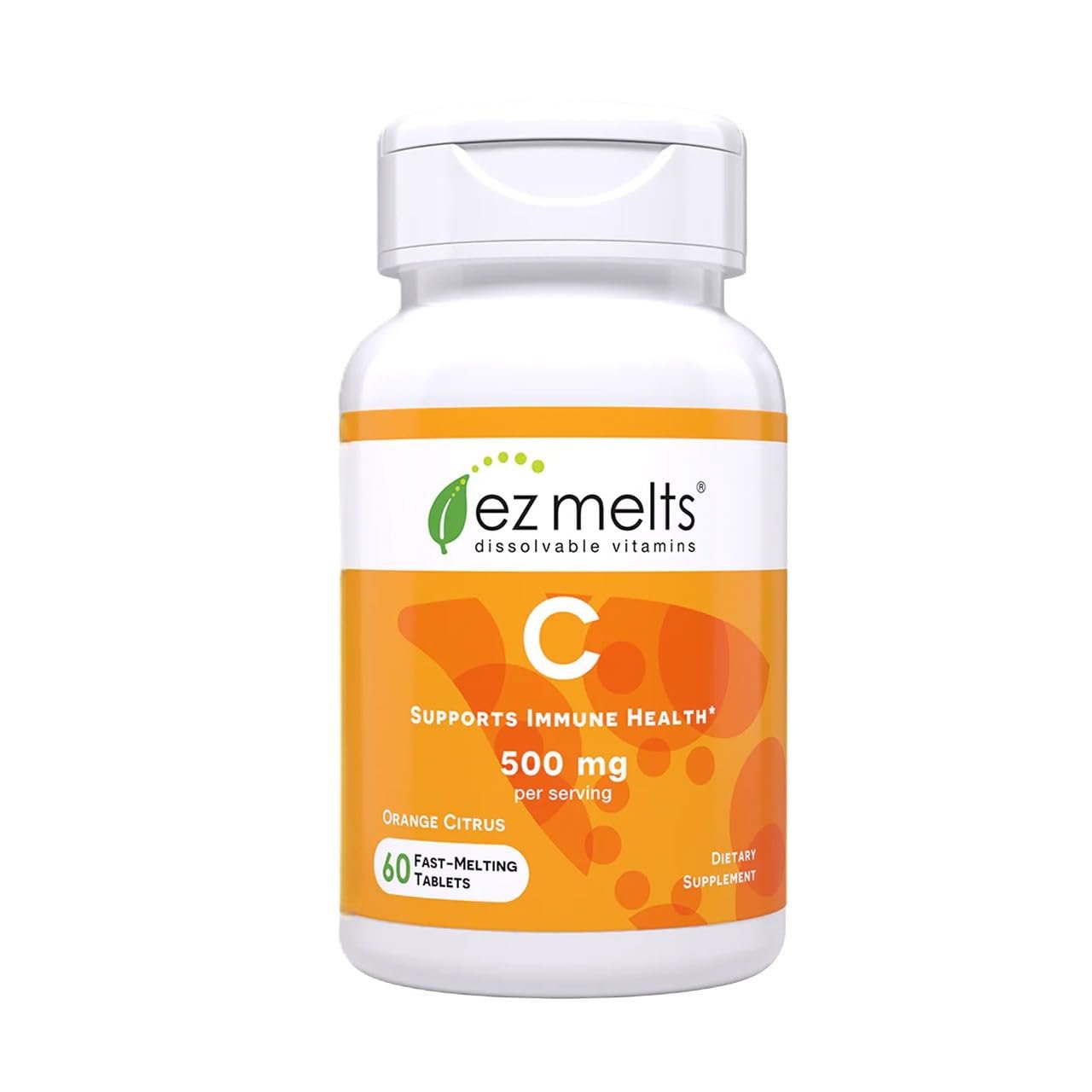
Vitamin C: regular supplementation doesn’t prevent colds in the general population, but it may slightly reduce duration — and it’s important not to be deficient. Get it from food (peppers, citrus, kiwis, broccoli) rather than megadose tablets; excess is just excreted. Zinc lozenges taken within 24 hours of cold symptoms may shorten duration modestly. Beyond these, a varied diet with plenty of fruit, vegetables, and protein covers the rest — the gut microbiome, which heavily influences immunity, thrives on fibre diversity (aim for 30 different plant foods a week; it sounds a lot but counts herbs, spices, nuts, and seeds).
What about echinacea, elderberry, and “immune blends”? The evidence is weak to mixed — small possible effects on cold duration, nothing like the marketing claims. They’re not harmful for most people, but they’re no substitute for sleep, and the money is better spent on vitamin D and good food.
Vaccines: the intervention that actually prevents flu
Let’s be direct: the single most effective thing you can do for flu season is get vaccinated. The flu vaccine reduces your risk of illness by 40–60 percent in well-matched years, and dramatically reduces hospitalisation and death. It’s free on the NHS for: over-65s, pregnant women, people with long-term conditions (asthma, diabetes, heart disease), carers, and frontline health workers — plus children aged 2–16 via the nasal spray programme.
Everyone else can get it privately at pharmacies (Boots, Superdrug, independents) for £15–£25 — bookable online in minutes, no GP needed. The “vaccine gave me flu” myth persists: the injected vaccine contains inactivated virus and cannot cause flu (the nasal spray uses weakened virus and can cause mild sniffles). Side effects are typically a sore arm for a day. Get it in October–November for the season ahead; it takes two weeks to build protection.
COVID boosters follow similar logic for eligible groups — check current NHS guidance each autumn, as eligibility evolves. And the basics still matter: handwashing (genuinely effective, wildly underrated), ventilation (open windows when people gather), and staying home when ill. These boring measures prevented enormous amounts of illness during the pandemic years; they work just as well now.
Myths to stop believing
“Feed a cold, starve a fever” — nonsense; eat normally when ill, prioritizing fluids. “You catch colds from being cold” — partly true in a nuanced way (cold air may impair nasal immune responses slightly), but viruses cause colds, and the mechanism is exposure, not temperature. “Megadose vitamin C prevents illness” — no, as covered above. “Antibacterial everything boosts immunity” — over-sanitising may actually impair immune development in children; normal hygiene suffices.
“Sweat it out with exercise when ill” — dangerous advice. The neck-check rule: symptoms above the neck (runny nose, mild sore throat) with no fever — gentle exercise is fine. Symptoms below the neck (chest congestion, body aches, fever) — rest completely; exercising through systemic illness risks complications including myocarditis. When in doubt, rest. And “natural immunity is better than vaccines” — natural infection does confer immunity, at the cost of the illness itself and its risks; vaccines provide protection without the disease. It’s not a close call.
For the full winter-health picture alongside immunity, see iron deficiency symptoms (low iron impairs immunity too) and our guide to sleeping better — since sleep is where immunity is built.
When to see a GP about frequent illness
Catching every cold going round the office is normal; being ill more often than well isn’t. See your GP if you get more than 6–8 respiratory infections a year, if infections consistently need antibiotics, if you recover unusually slowly, or if frequent illness started suddenly in adulthood. These patterns can signal underlying issues — from iron deficiency and undiagnosed asthma to rarer immune conditions — that deserve investigation.
Also seek advice if flu hits hard: difficulty breathing, chest pain, dehydration, or symptoms worsening after initial improvement (possible secondary bacterial infection) all warrant prompt medical attention. The flu vaccine reduces severity even when it doesn’t fully prevent illness — another reason it’s worth getting. Frequent illness is common and usually benign, but “just my immune system” shouldn’t be a permanent shrug; sometimes it’s a clue.
How Do I Boost My Immune System During Flu Season: The Short Answer
Get vaccinated, take vitamin D from October to March, protect your sleep, exercise moderately, and wash your hands — the boring fundamentals beat every immune-boosting supplement on the shelf. Related reading: NHS flu guidance.