
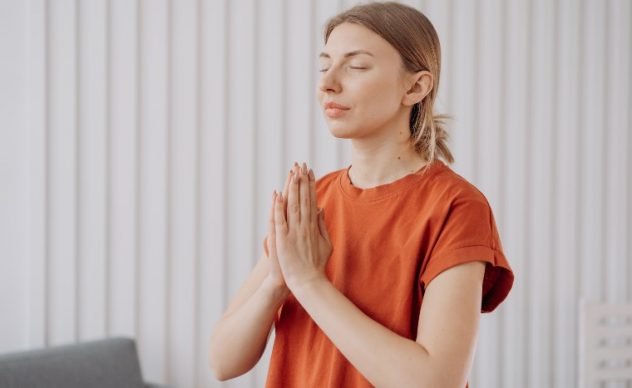
How Can I Manage Anxiety Without Medication?
How Can I Manage Anxiety Without Medication?
When my anxiety was at its worst, the idea of medication felt like a big step I wasn’t ready for — and my GP agreed it was reasonable to try other approaches first. What surprised me was how much actually helped once I stopped doom-scrolling “anxiety cures” and focused on the handful of strategies with real evidence behind them. If “how can I manage anxiety without medication” is the question you’ve been asking, here’s the straight answer — practical, honest, and based on what actually works.
Let me be straight: nothing here replaces professional help if your anxiety is severe, and there’s no shame in medication — it’s a legitimate, effective tool. But for mild to moderate anxiety, these approaches genuinely work, and they’re worth trying either alongside or before medication. Here’s what the evidence (and my experience) says.
1. Cognitive behavioural therapy (CBT) — the gold standard
If you do one thing from this list, make it this. CBT is the most researched psychological treatment for anxiety, with effectiveness comparable to medication for many anxiety disorders. It works by identifying and challenging the catastrophic thought patterns that fuel anxiety — the “what if” spirals — and gradually facing feared situations rather than avoiding them.
You don’t even need a therapist to start: the NHS Talking Therapies programme offers free CBT (self-refer online), and there are solid CBT-based apps and workbooks. The key CBT skill is learning to treat anxious thoughts as hypotheses, not facts. “What if I embarrass myself at the party?” becomes “What’s the actual evidence? What’s the most likely outcome?” It sounds simple; it isn’t easy; it works. Pair it with our guide on finding a good therapist in the UK if you want professional support.
2. Exercise — the most underrated anti-anxiety tool
I know, I know — everyone says exercise. But the evidence for anxiety specifically is striking: regular aerobic exercise reduces anxiety symptoms by around 20 percent in many studies, and the effect is both immediate (a single session calms you for hours) and cumulative. It burns off stress hormones, improves sleep, and gives your brain something to do besides worry.
You don’t need to become a runner. Brisk walking, cycling, swimming, dancing in your kitchen — 30 minutes, most days, at an intensity where you’re slightly out of breath. Morning exercise seems particularly good for anxiety because it sets your nervous system calmer for the whole day. On the worst days, even a 10-minute walk around the block genuinely takes the edge off. It’s the single most reliable non-drug intervention I know.
3. Fix the fuel: caffeine, alcohol, and sleep
This one hurt me personally because I loved my four-coffees-a-day habit. But caffeine is essentially anxiety in a cup — it triggers the same adrenaline response as panic. Cutting back to one coffee (or switching to tea) made a noticeable difference within a week. Alcohol is the other saboteur: it feels calming in the evening but disrupts sleep architecture and reliably spikes anxiety the next day. The “hangxiety” phenomenon is real and well-documented.
Sleep is the foundation everything else sits on. Anxiety and poor sleep feed each other viciously — you’re anxious so you can’t sleep, you’re underslept so you’re more anxious. Protect your sleep like it matters, because for anxiety it matters more than almost anything: consistent bedtime, no screens for the last 30 minutes, cool dark room. If snoring (yours or a partner’s) is wrecking your sleep, that’s fixable too — see how to stop snoring and sleep better.
- Cut caffeine to 1–2 cups max, none after noon
- Reduce alcohol — especially evening drinking
- Keep a consistent sleep and wake time, even at weekends
- No screens for 30 minutes before bed
- Get daylight in your eyes within an hour of waking
4–9. The rest of the toolkit
Breathing techniques work because they directly calm your nervous system — box breathing (4 counts in, 4 hold, 4 out, 4 hold) is the one I use when panic spikes. Progressive muscle relaxation, where you tense and release each muscle group, is excellent before bed. Mindfulness and meditation have solid evidence for generalised anxiety; even 10 minutes daily with an app makes a measurable difference after a few weeks.
Journaling — specifically “worry time” journaling, where you write down worries for 15 minutes then close the book — stops anxious thoughts looping all day. Limiting news and social media doom-scrolling is obvious but powerful; I deleted Twitter from my phone and my baseline anxiety dropped within days. Finally, connection matters enormously: loneliness and anxiety are tightly linked, so prioritise actual human contact, even when every instinct says to isolate. And learn the difference between anxiety and stress — it changes which tools to reach for.
Building your personal anxiety toolkit
Techniques only help if you actually use them in the moment, and in the moment anxiety makes you forget everything. The fix is to build a literal toolkit in advance — written down, on your phone, ready before you need it. Mine lives in my notes app: box breathing steps, a 5-minute walk route, the name of a friend I can text, and three “reality check” questions for catastrophic thoughts. When panic hits, I don’t have to think; I just open the note.
Tracking is the other underrated tool. Rate your anxiety 1–10 each evening for a month, alongside brief notes (sleep, caffeine, exercise, stressful events). Patterns jump out fast — most people discover their anxiety has triggers they never noticed, like the third coffee or the Sunday-night email check. A simple phone note or a free mood-tracking app does the job; the point is data, not perfection.
Finally, plan for bad days in advance. Anxiety recovery isn’t linear — you’ll have weeks where everything works and days where nothing does. Decide now what “minimum viable self-care” looks like on a terrible day (for me: daylight, a short walk, no alcohol, text one person). Having the plan written down stops a bad day from becoming a bad week. And keep the long view: you’re building a nervous system that’s more resilient over months, not chasing a permanent state of calm. Setbacks are data, not failure.
How Can I Manage Anxiety Without Medication: The Short Answer
CBT, regular exercise, cutting caffeine and alcohol, and protecting your sleep are the best-evidenced non-drug strategies — pick two, do them consistently for a month, and track the trend.
Where to start
Don’t try all nine at once — that’s a recipe for overwhelm (ask me how I know). Pick two: I’d suggest cutting caffeine and adding a daily 20-minute walk. Do those consistently for two weeks, then add CBT — self-referred through the NHS so it costs nothing. Track your anxiety 1–10 daily; seeing the number trend down is motivating. And if things aren’t shifting after a couple of months of genuine effort, talk to your GP — combining these strategies with medication is not failure, it’s good sense. Related reading: Mind anxiety resources.