
Are Microplastics Really in Our Blood? What Science Knows
The headline landed like a body blow: scientists had found microplastics in human blood — the pollution was not just in the oceans but inside us. Follow-up studies reported plastic particles in lungs, placentas, and even arterial plaque. It is the kind of news that triggers either panic or denial, and neither response is scientific. The reality, as researchers themselves stress, is more nuanced and in some ways more unsettling.
Here is what science actually knows about microplastics in our blood and bodies — the landmark findings, the honest uncertainties, and what you can reasonably do.
The Landmark Findings
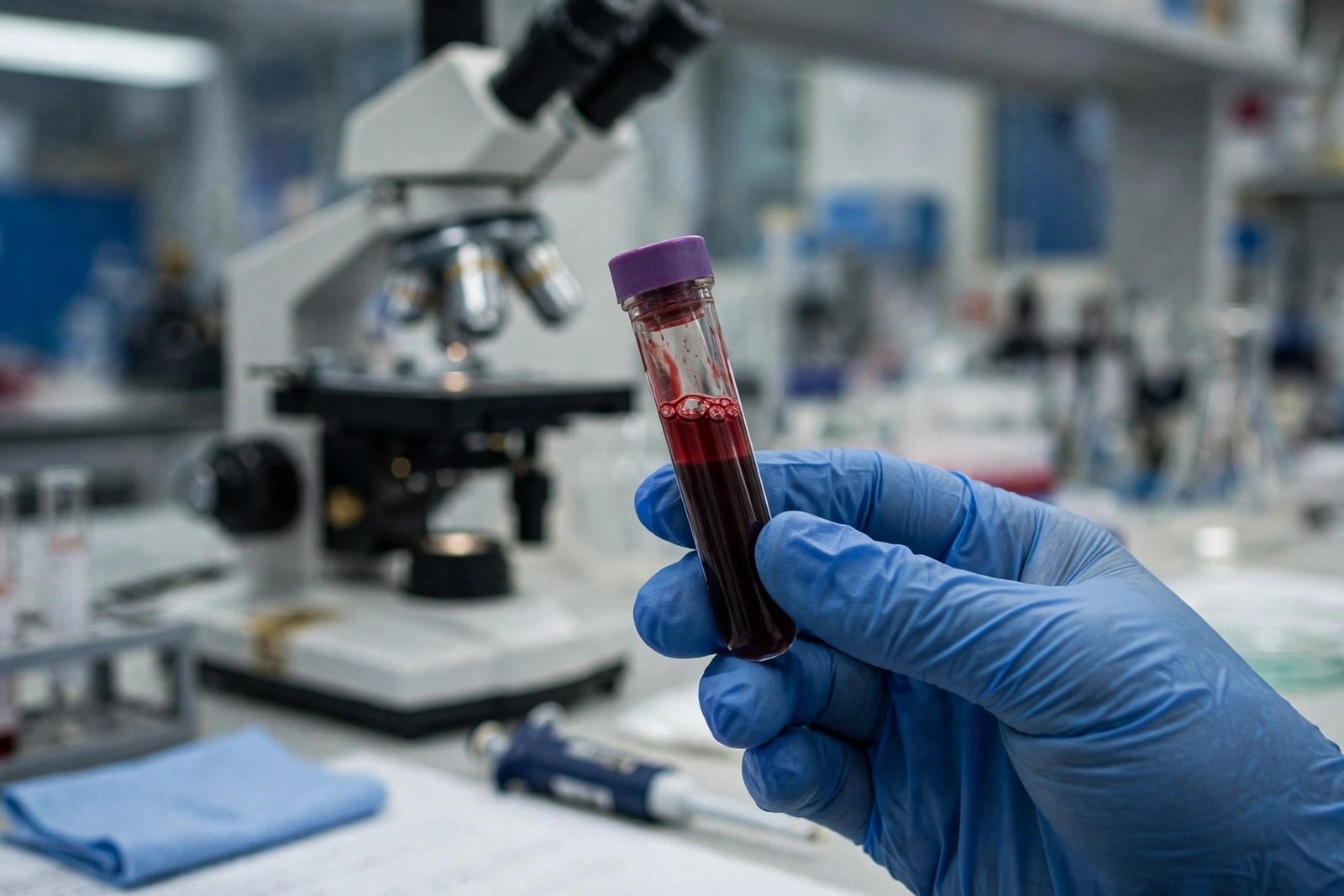
The watershed moment came in 2022, when Dutch researchers published the first study detecting microplastics in human blood — finding plastic particles (including PET, polystyrene and polyethylene) in the blood of 17 out of 22 healthy donors. The particles were tiny enough to travel through the bloodstream, raising the obvious question of where they go next. Subsequent studies have found microplastics in human lung tissue, placentas, breast milk, and — in a widely reported 2024 study — in arterial plaque, where their presence correlated with higher cardiovascular event risk.
These findings confirmed what the ubiquity of plastic predicted: we ingest and inhale microplastics constantly — from food, water, air, clothing fibres, tyre dust — and some fraction crosses biological barriers into tissues and circulation. The detection methods (spectroscopy identifying polymer types) are robust, and replication across labs and tissues has been consistent. The 'are they inside us' question is settled: yes, measurably, in multiple organs. The open question — the one that matters — is what they do there.
What We Know (and Don't) About Health Risks
Here honesty requires care. The hazard evidence comes mainly from lab and animal studies: micro- and nanoplastics cause inflammation, oxidative stress and cellular disruption in cell cultures and animals at high exposures. Human epidemiological evidence linking body microplastics to specific diseases remains limited — the arterial plaque correlation is suggestive, not proof of causation, and researchers emphasise this. Absence of proof is not proof of safety, but it is not proof of harm either.
Several factors complicate the picture. Dose matters enormously and human internal doses are uncertain. Particle size matters — nanoplastics (under a micron) likely cross barriers more readily but are harder to measure, so we may be underestimating the smallest, most concerning fraction. Chemical additives (plasticisers, flame retardants) carried on particles may matter more than the particles themselves. And microplastics correlate with modern life generally, making causation hard to isolate. The scientific consensus position: plausible concern warranting precaution and research, not established crisis — though 'more research needed' should not comfort anyone given the irreversibility of global contamination.
The full background is available at Defra.
Where They Come From: Your Exposure
Textiles, tyres and packaging
Understanding sources focuses action. The largest contributors to human exposure: synthetic textiles — a single laundry load releases hundreds of thousands of microfibres, which enter waterways and air; tyre wear particles, among the largest sources of environmental microplastics; food and drink packaging and processing; and household dust, which concentrates fibres from furnishings and clothing. Drinking water (both tap and bottled — bottled is typically worse), seafood, salt, and even fruit and vegetables carry measurable loads.
Why indoor air matters most
Indoor air deserves emphasis: we spend most of our lives indoors, where synthetic furnishings and textiles shed continuously into confined air. This reframes exposure from an ocean-pollution story to a home-environment story — the microplastics in your blood likely came substantially from your own house. That is daunting and empowering: the home is where you have the most control.
Reducing Your Exposure: What Works
Total avoidance is impossible — microplastics are in rain, air and food chains globally. But meaningful reduction is achievable. In the laundry: wash synthetics less often, in fuller, cooler loads; use microfibre-catching bags or an external filter; favour natural fibres for new purchases. In the home: vacuum with a HEPA filter, damp-dust regularly, choose natural-fibre furnishings where practical, and ventilate well.
For ingestion: filter drinking water (reverse osmosis and good carbon filters reduce particles), avoid heating food in plastic containers (heat multiplies shedding — never microwave in plastic), reduce single-use packaging, and store food in glass or steel. These steps also reduce chemical additive exposure, the possibly-greater concern. None of this is panic behaviour; it is proportionate precaution while science clarifies the risks — the same logic as limiting any incompletely-understood exposure.
The Systemic Fix: Policy and Innovation
Individual action cannot solve a systemic pollutant — the upstream answers matter most. The UN plastics treaty negotiations represent the biggest opportunity: a binding global agreement covering production caps, chemical additives and waste management, though industry resistance has slowed progress. Nationally, microbead bans (already in several countries), washing-machine filter mandates (France leads), and tyre composition standards are the targeted interventions with real leverage.
Innovation is moving: biodegradable textile fibres, tyre formulations that shed less, water treatment that captures microplastics, and genuinely plastic-free packaging scaling commercially. Support the direction with concentrated consumer choices — the highest-impact personal actions are buying less fast fashion, cutting single-use plastics, and choosing natural fibres — and with democratic engagement where treaties and regulations are decided. The history of lead, CFCs and acid rain shows the pattern: scientific warning, delayed action, then effective regulation once the evidence compels it. Microplastics are mid-pattern; accelerating the timeline is the collective task.
Worth a look: Recycle Now.
The Bigger Picture
Individual action has limits against a systemic pollutant — the ultimate answers are upstream: reduced plastic production, better waste management, textile and tyre innovation, and regulation of the most harmful additives. Support these through consumer choices where effective (concentrated impact: less fast fashion, less single-use plastic) and democratic engagement where available. The microplastics story is ultimately about the Anthropocene condition: our materials outlasting our understanding of them.
Keep perspective without complacency. Humanity has faced incompletely-understood exposures before — lead, tobacco, asbestos — and the pattern is consistent: early warnings, industry resistance, eventual clarity, regret about delay. With microplastics we are in the early-warning phase, with the unusual advantage of knowing the pattern. Precaution now is cheap; certainty later may be expensive. The blood-study headlines were not the end of inquiry but the beginning — act on them proportionally, and keep watching the science.
For more on this topic, see our article on how much does a private blood test cost in the UK and what is the cheapest supermarket in the UK right now.
Yes — microplastics are measurably in human blood (found in 17 of 22 donors in the landmark 2022 study) and in lungs, placentas and arterial plaque. Lab evidence suggests plausible harm via inflammation and oxidative stress, but human disease causation is not yet proven — the honest scientific position is concerned precaution, not established crisis. Reduce exposure through laundry care, HEPA vacuuming, water filtration, natural fibres, and never heating food in plastic, while supporting upstream systemic action. We are in the early-warning phase; precaution now is the rational response.
Frequently Asked Questions
Have microplastics been found in human blood?
Yes — a 2022 Dutch study found microplastic particles in the blood of 17 out of 22 healthy donors. Subsequent research has detected them in lungs, placentas, breast milk and arterial plaque.
Do microplastics cause disease in humans?
Not proven — lab and animal studies show inflammatory and cellular effects, and one study correlated arterial microplastics with cardiovascular risk, but human causation evidence remains limited. Researchers urge precautionary concern, not panic.
How do microplastics get into our bodies?
Mainly through ingestion (food, water, packaging) and inhalation (indoor air, textile fibres, tyre dust). Particles small enough cross from gut and lungs into circulation and tissues.
How can I reduce microplastic exposure?
Wash synthetics less with microfibre filters, HEPA-vacuum and damp-dust, filter drinking water, never heat food in plastic, choose natural fibres, and reduce single-use packaging. Total avoidance is impossible; meaningful reduction is not.