
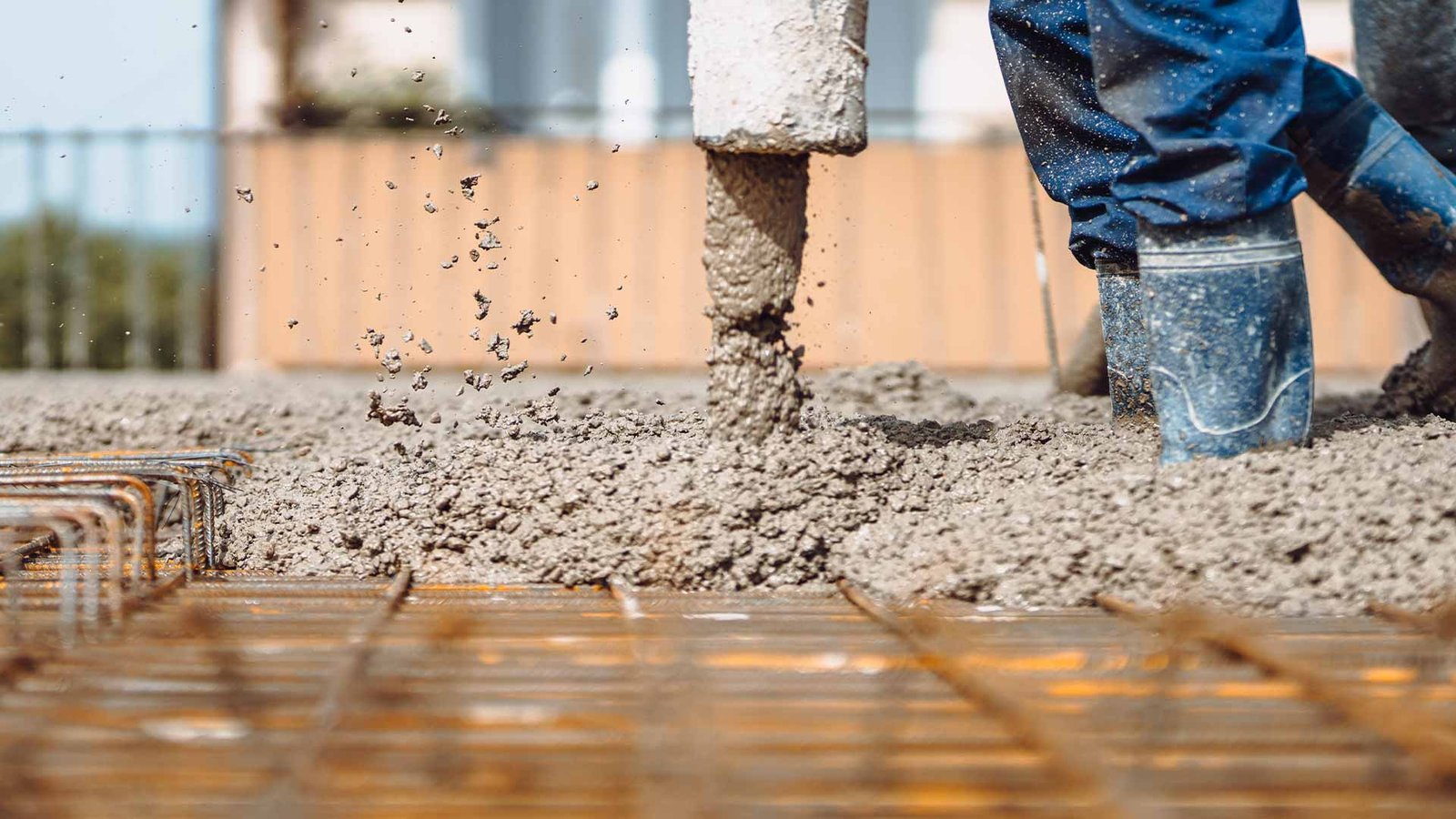
How Long does Concrete Take to Cure? Complete Answer
So how long does concrete take to cure? Concrete takes about 28 days to fully cure, but it reaches enough strength to walk on within 24 to 48 hours and to drive on after about 7 days. Curing and drying are different things: drying is water leaving the surface; curing is the chemical reaction between cement and water that gives concrete its strength. Get the cure right and your patio, shed base or driveway will last decades. Get it wrong and it can crack, crumble or fail within a year.
Curing vs Drying: What Is the Difference?
Drying is physical: surface water evaporates and the concrete looks and feels hard within hours. Curing is chemical: hydration, where cement reacts with water to form the crystals that bind everything together. Hydration continues long after the concrete looks dry.
Here is why it matters: if the concrete dries out too fast, there is no water left for the hydration reaction, and the cure stalls. The surface may feel solid, but it will never reach full strength.
How Long Does Concrete Take to Cure? The Full Timeline
These are standard timings for a typical general-purpose mix at around 15 to 20 degrees Celsius, which is a mild UK summer day:
- 2 to 4 hours: initial set. The concrete firms up and stops being workable. Do not touch or smooth it after this point.
- 24 hours: strong enough to walk on carefully. Keep pets, children and heavy boots off before this.
- 3 days: roughly 40% of full strength. Formwork and shuttering can usually come off now.
- 7 days: around 65 to 70% of full strength. Light traffic is fine, and this is the minimum most builders wait before parking a car on a new driveway.
- 28 days: full design strength. The concrete is considered fully cured.
Quick-setting mixes (bags at B&Q and Screwfix for fence posts) set in 20 to 40 minutes and are usable within a day. For slabs, paths and bases, work to the standard timeline above.
How UK Weather Affects Concrete Curing
The UK climate is the biggest challenge for DIY concrete work. Temperature, frost and rain all change how concrete cures.
Frost
Frost is the number one enemy of fresh concrete. If the water in a fresh mix freezes within the first 24 to 48 hours, the expanding ice breaks the internal structure and can halve its strength. Never pour if the temperature is forecast to drop below 3 degrees within 48 hours. If a cold snap catches you out, cover the slab with hessian, old blankets or insulated sheeting to hold in warmth.
Cold weather (5 to 10 degrees)
Concrete still cures in cool weather, just more slowly. Keep it above 5 degrees for at least 48 hours after pouring, and expect the 7-day strength milestone to take more like 10 to 14 days. Guidance on curing concrete in cold weather explains why the protection period matters so much. Use an accelerating admixture or a winter-rated mix if your supplier offers one.
Rain
Light drizzle on set concrete is fine and can even help the cure. Heavy rain on fresh concrete washes cement out of the surface and leaves a weak, pitted finish. Check the forecast and keep a tarpaulin ready.
Hot sun
On rare hot UK days, strong sun dries the surface too fast and causes shrinkage cracks. Keep it damp: mist it with water or cover it with wet hessian or polythene for at least 7 days.
How to Cure Concrete Properly: Step-by-Step
- Finish the surface and leave it alone. Once levelled and finished, do not walk on it, spray it or fiddle with it during the initial set.
- Protect it from the weather. Cover with a tarpaulin if rain threatens, or insulating material if frost is possible.
- Keep it moist for at least 7 days. Cover the slab with polythene sheeting or damp hessian, or mist it with water two or three times a day. Do not blast it with a hose.
- Control traffic. No foot traffic for 24 hours, no heavy loads for 7 days, and the full 28 days before anything structural goes on it.
- Use a curing compound for large areas. These cheap sprays form a film that locks moisture in and save you the daily watering routine.
DIY vs Professional: When to Call Someone In
DIY concrete is fine for small jobs: fence post footings, a small shed base, garden edging, or patching a path. A few bags of ready-mix from B&Q, a wheelbarrow and a shovel will do the job.
Call a professional or order ready-mixed concrete for anything bigger than about one cubic metre: driveways, extensions, foundations, or any slab carrying heavy loads. A failed DIY slab costs far more to break out and redo than getting it right first time.
Top Tips
- Pour in the morning. You get the warmest part of the day for the initial set, and you can cover the slab before night-time temperature drops.
- Order a little extra. Running short mid-pour leaves a weak cold joint across the slab. A calculator plus 10% extra is cheap insurance.
- Do not add extra water. It is tempting to make the mix easier to spread, but extra water weakens the concrete and increases cracking.
- Check the 5-day forecast. Pour in a settled spell of mild weather. Avoid pouring ahead of storms or a freeze.
- Protect edges. The edges of a slab cure fastest and crack first. Make sure sheeting or hessian covers right to the edges.
Common Mistakes to Avoid
- Walking on it too early. Footprints in fresh concrete cannot be fixed properly. Keep everyone off for 24 hours.
- Letting it dry out. The most common DIY error. Concrete left uncovered in wind or sun loses the moisture it needs to cure.
- Pouring in freezing weather. If it freezes in the first 48 hours, the slab is compromised. Wait for a milder spell.
- Skipping the sub-base. Concrete poured on soft, uneven ground will move and crack. Compact a proper hardcore sub-base first.
FAQs
Can I walk on concrete after 24 hours?
Usually yes, carefully. After 24 hours at normal temperatures the concrete is hard enough for light foot traffic. Avoid dragging anything heavy across it, and keep pets off for a couple of days because their claws can mark the surface.
Does concrete stop curing in winter?
It does not stop, but it slows down a lot. Below about 5 degrees the reaction crawls, and below freezing the water in the mix can freeze and damage the concrete. Protect fresh concrete from frost and allow extra days before loading it.
How long before I can drive on a new concrete driveway?
Wait at least 7 days in mild weather, longer in cold weather. The concrete needs roughly 70% of its design strength to take vehicle loads without cracking. For a winter pour, give it 10 to 14 days, and cold-weather pouring guidance has more detail on protecting fresh slabs.
What happens if concrete dries too fast?
The surface shrinks and cracks, and the concrete never reaches full strength because the curing reaction runs out of water. That is why keeping the slab moist or covered for the first week matters so much.
Conclusion
Concrete takes 28 days to fully cure, with most of the strength built in the first week. Keep it moist, protect it from frost and rain, and do not load it early. Do that and a DIY slab will serve you well for decades; rush it and you will be breaking it out next year.