
Can You Paint Over Wallpaper? When It Works (and When It Doesn’t)
Can You Paint Over Wallpaper? When It Works (and When It Doesn’t)
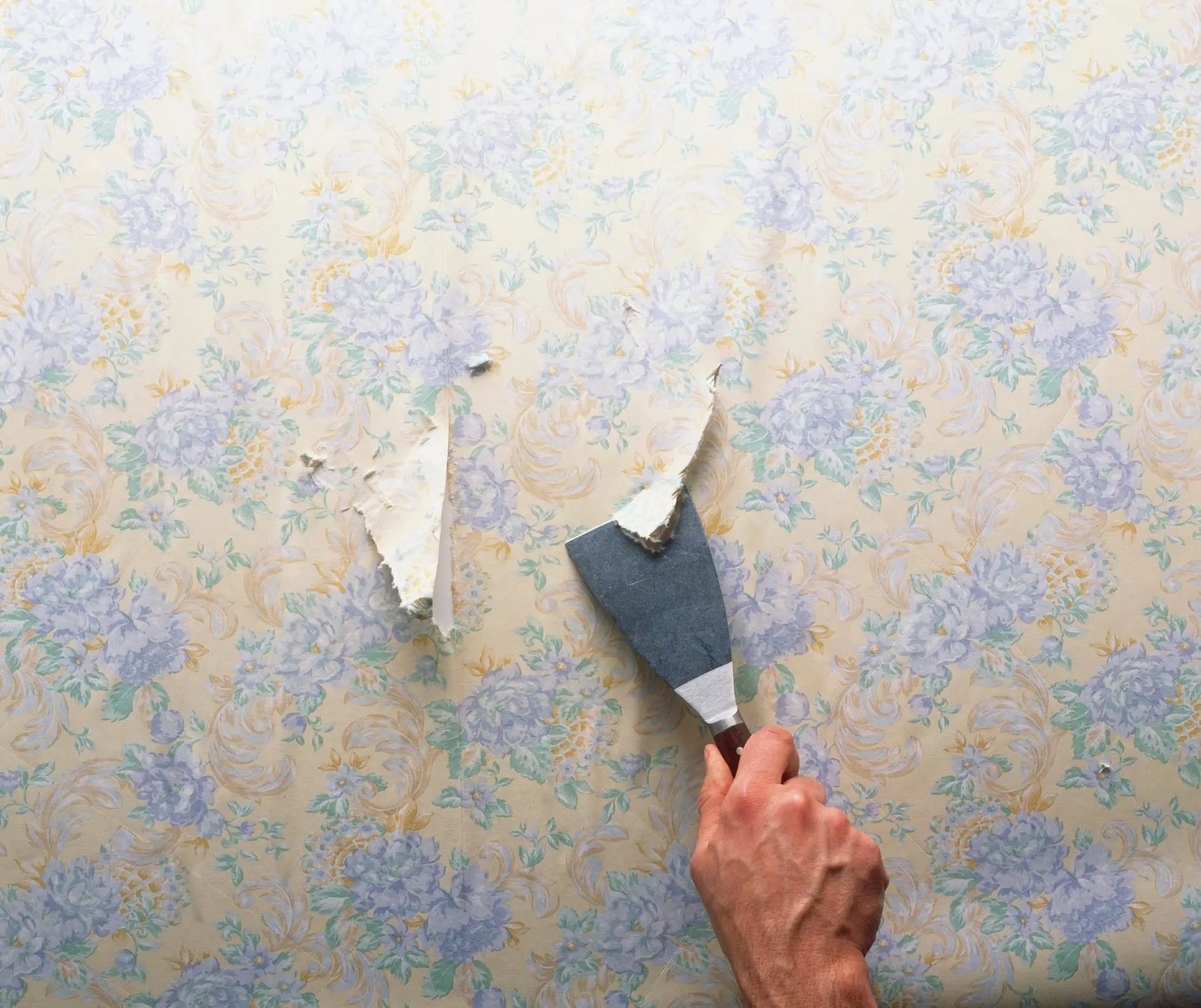
Stripping wallpaper is miserable — steamer burns, shredded paper, gouged plaster. So can you paint over wallpaper, or should you strip it first? The honest answer: you can paint over it, and sometimes it’s the smart move — but only if the wallpaper passes some strict tests.
When painting over wallpaper works
All of these must be true:
- The wallpaper is firmly adhered everywhere — no peeling edges, bubbles or loose seams (press all over; anything that lifts fails the test)
- It’s not vinyl-coated or washable — paint doesn’t grip vinyl properly
- It’s not heavily textured — deep textures (blown vinyl, anaglypta) show through paint; light textures can look intentional
- There are no more than 1–2 layers — multiple layers get spongy and fail
- The pattern isn’t dark/bold unless you’re painting an equally dark colour (pale paint over dark pattern needs many coats)
- No damp or mould underneath — painting over damp is just hiding a problem (see dealing with mould properly)
How to paint over wallpaper properly
- Test first: paint a small hidden patch and leave 48 hours. If it bubbles or peels, stop — strip instead.
- Clean: sugar-soap the walls to remove grime.
- Stick down edges: re-glue any lifting seams with wallpaper seam adhesive.
- Seal the seams: run a thin bead of decorators’ caulk along seams and edges — this stops them lifting and showing through.
- Prime: one coat of oil-based or shellac primer (Zinsser BIN or Cover Stain). This is critical — water-based primer can reactivate wallpaper paste and cause bubbling. Oil/shellac seals it.
- Skim joints if needed: for visible seams, a thin skim of fine surface filler sanded smooth hides them.
- Paint: two coats of quality emulsion as normal.
When you MUST strip it
- Peeling, bubbling or loose anywhere — paint won’t fix adhesion failure; it’ll make it worse
- Vinyl or foil wallpaper — paint sits on top and scratches off
- Mould or damp underneath — stripping reveals the extent of the problem
- Many layers — each layer is a future failure point
- You’re wallpapering again — new paper over old painted paper is asking for trouble
- Textured wallpaper you hate — paint won’t hide deep texture; it’ll just be painted texture
Stripping: making it less awful
If you must strip, do it right:
- Score the paper with a scorer tool (£5), then steam (£40–£60 to hire a steamer for a day) — the fastest method for stubborn paper.
- For standard paper, warm water + washing-up liquid in a spray bottle, soak, scrape with a broad filling knife.
- Work top to bottom in sections; don’t soak the whole wall at once.
- Fabric softener solution (1:1 with hot water) is the old decorators’ trick for paste residue.
- After stripping: wash walls with sugar soap, fill damage, and seal bare plaster with a mist coat before painting.
The cost comparison
- Paint over: £40–£80 (primer + paint) + a day
- Strip + paint: £60–£120 (steamer hire + filler + paint) + a weekend
- Pro strip + skim + paint: £400–£700 per room (see plastering costs)
The bottom line
If the wallpaper is firmly stuck, non-vinyl, and in good condition: paint over it with an oil/shellac primer first — it saves a weekend of misery and looks fine. If it’s peeling, vinyl, mouldy or multi-layered: strip it, however tedious. The test patch never lies — do it, wait 48 hours, and let the wall decide for you.
Dealing with painted-over wallpaper (layers of history)
Many UK homes — especially Victorian/Edwardian terraces — have wallpaper painted over wallpaper, painted again: archaeological layers of previous owners’ choices. If it’s all firmly adhered, you can paint over it again (following the method above). But each layer adds risk: moisture from new paint can reactivate old paste deep in the layers, causing dramatic bubbling as buried layers release.
The test: paint a test patch and wait 72 hours (not 24 — deep layers react slowly). If it bubbles, you have two choices: strip everything (steamer, patience, possibly a plasterer afterwards — multi-layer stripping often damages plaster) or line the walls with heavy-duty lining paper (1200–2000 grade) then paint — lining paper bridges minor imperfections and gives a fresh paintable surface without the stripping ordeal. Lining + paint is the pragmatic middle path for walls with history.
Painting over wallpaper FAQs
Will the seams show through the paint? Probably, slightly — unless you caulk and skim them as described. From across the room, invisible; up close in raking light, faint lines. If perfection matters, strip or line the walls. If “looks freshly decorated” is the bar, painted-over seams pass easily.
Can I wallpaper over painted wallpaper? Not recommended — the paste moisture can release the old layers, and you’re building a geological formation of future problems. Strip or line first, then paper. Future you (or the next owner) will be grateful.
What primer exactly should I use? Zinsser BIN (shellac-based, sticks to everything, dries in 45 minutes, strong fumes — ventilate) or Zinsser Cover Stain (oil-based, slower, less smelly). Do not use water-based primer on wallpaper — it reactivates paste and causes bubbling. This is the single most important material choice in the whole job.
How do I remove wallpaper that’s been painted over? Score deeply (the paint layer resists water), steam generously (longer than unpainted — the steam must penetrate the paint), and work in small sections. It’s 2–3x slower than stripping unpainted paper. A chemical stripper (Zinsser DIF) helps on stubborn areas. Budget double the time you think.
Is it OK in bathrooms/kitchens? Risky — steam and moisture attack the wallpaper adhesive from behind the paint. In bathrooms, strip (or use proper bathroom paint on bare plaster). In kitchens, it’s acceptable away from the cooker/sink splash zones, but lining paper is safer.
The landlord special: painting over wallpaper in rentals
Renters face this constantly — magnolia walls, dated wallpaper, and a deposit at stake. Check your tenancy agreement first: most forbid decorating without written permission. Ask the landlord — many agree to neutral repainting (it improves their property), some even contribute materials. Get it in writing (email counts) — verbal permission evaporates at deposit-deduction time. What landlords usually accept: painting over wallpaper in neutral colours (white, magnolia, light grey) — it freshens the property without imposing taste. What they don’t: dark colours, bold choices, or anything requiring restoration.
Deposit protection: photograph everything before and after (timestamped), keep receipts for paint, and keep the permission email. At checkout, the landlord can’t reasonably deduct for approved improvements — but without written permission, even beautiful decorating can be classed as unauthorised alteration. The pragmatic approach: offer to repaint back to magnolia at tenancy end if the landlord prefers — it removes their objection entirely. Most landlords would rather have a tenant who improves the place than one who lives with peeling 1990s wallpaper in resentful silence.
Related reading
For damp rooms, use the right bathroom paint — and see Dulux’s decorating advice centre.