
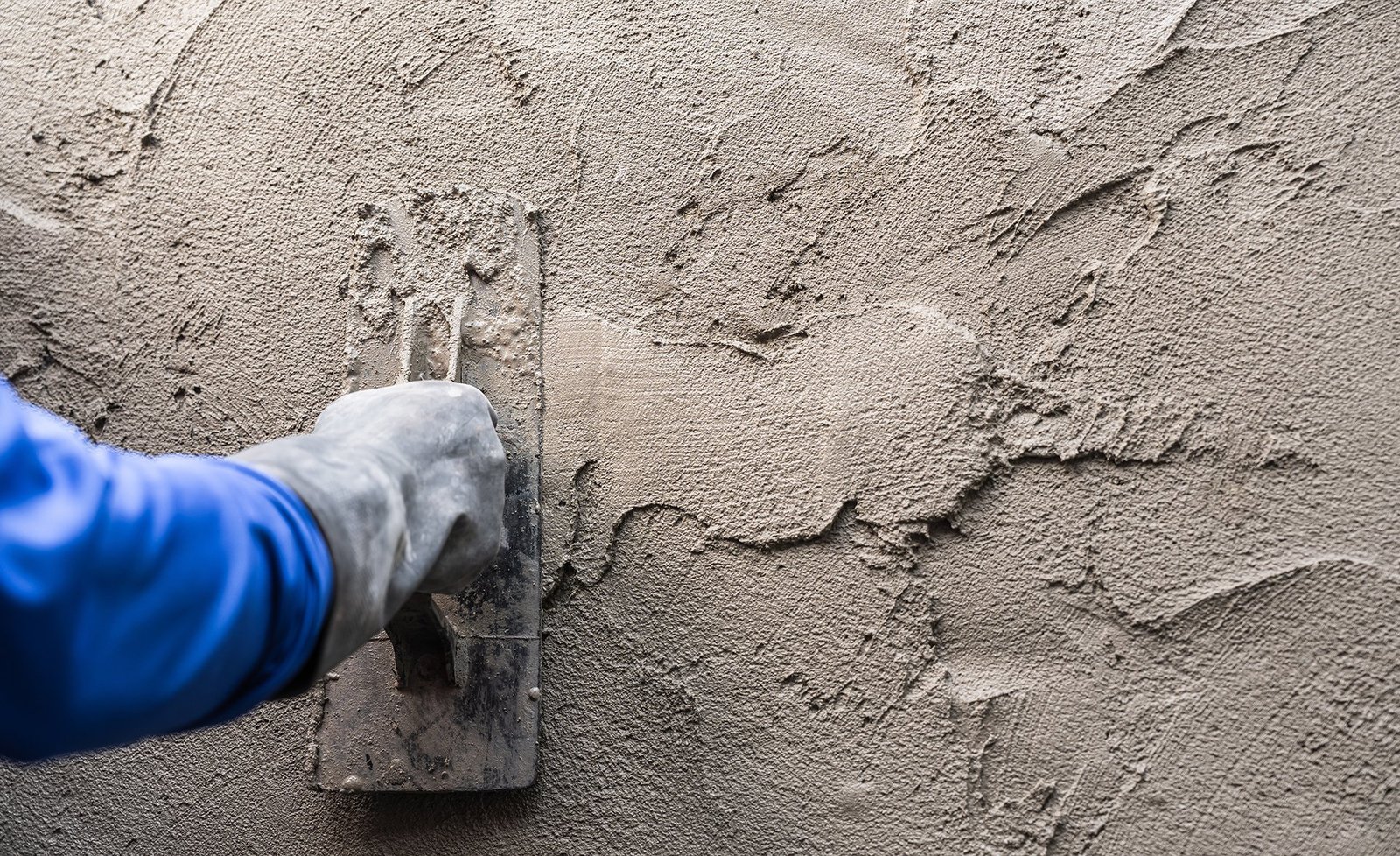
How Much Does It Cost to Plaster a Room in the UK? (2026 Prices)
How Much Does It Cost to Plaster a Room in the UK? (2026 Prices)
Fresh plaster transforms a room like nothing else — but plastering is skilled work with skilled-work prices. Here’s how much it costs to plaster a room in the UK, what affects the price, and when you can DIY.
Typical prices
- Skim over existing plaster (per room): £300–£600 for a small bedroom; £500–£900 for a large living room
- Per square metre (skim): £15–£25/sqm in most of the UK; £25–£40/sqm in London
- Full re-plaster (hack off and re-do): £30–£50/sqm — roughly double skimming
- Ceiling only: £200–£400 for a standard room (ceilings cost more per sqm — it’s harder work)
- Whole house (3-bed): £4,000–£8,000 for full re-plaster
What affects the price?
- Condition of walls: sound walls needing a skim are cheapest; blown plaster that must come off doubles the job
- Room size and shape: alcoves, bay windows and high ceilings add time
- Access: clearing the room yourself saves money — plasterers charge for moving your stuff
- Location: London and the South East run 30–50% higher
- Timing: plasterers are busiest in spring/summer; winter bookings can be keener
Skim vs full re-plaster
- Skimming (2–3mm of finishing plaster over sound existing plaster): cheaper, faster (1–2 days per room), less mess. Right for 80% of rooms.
- Full re-plaster (remove old plaster, apply base coat + finish): needed when plaster is blown (hollow-sounding), badly cracked, or contaminated. Much messier — the room becomes a building site.
Tap the walls: hollow or drummy sounds mean blown plaster that needs coming off. Solid with hairline cracks just needs skimming.
Getting quotes
- Get 3 quotes — plastering prices vary wildly between tradesmen.
- Ask whether the price includes materials (it usually does) and making good afterwards.
- Check recent work — plastering quality is immediately visible; ask to see a finished room.
- Look for reviews on Checkatrade or local trade groups.
- Agree the scope: exactly which walls/ceiling, who’s clearing the room, who’s cleaning up.
Can you DIY plastering?
Honest answer: small patches, yes; whole rooms, probably not — at least not well. Plastering is genuinely skilled: the timing, trowel work and finish take practice. What DIYers can do:
- Patch repairs with ready-mixed filler or one-coat plaster (£10–£20)
- Easifill for taping dry-lined walls — much more forgiving than wet plaster
- Practice on a garage or utility wall before attempting a living room
A bad DIY plaster job costs more to fix (hack off and redo) than hiring a pro in the first place. Know your limits — this is the trade where they show.
After plastering: the critical bit
- Let it dry fully: 1–2 weeks (longer in winter). It goes from dark to uniform pale pink when dry.
- Mist coat: first paint coat must be watered-down emulsion (roughly 70% paint, 30% water) — painting full-strength emulsion on fresh plaster causes peeling.
- Don’t rush: wallpapering or tiling before plaster is fully dry traps moisture.
- Ventilate the room gently — heat it mildly, don’t blast it (rapid drying causes cracking).
The bottom line
Budget £400–£700 for skimming a standard bedroom (more in London), get three quotes, and clear the room yourself to keep costs down. Skimming over sound walls covers most needs — reserve full re-plastering for genuinely failed plaster. And whatever you do, mist-coat before painting: it’s a 20-minute job that prevents the most common plastering disaster.
Plaster vs dry lining: the modern alternative
For badly damaged walls, there’s an alternative to wet plaster: dry lining — fixing plasterboard to the walls (dot-and-dab adhesive or battens) then skimming or taping the joints. Cost: £25–£40/sqm — similar to full re-plastering, but faster (no drying time for base coats), cleaner, and easier to get perfectly flat. It’s also the route for insulated plasterboard (thermal upgrade + new surface in one job — £35–£55/sqm).
When dry lining wins: very uneven walls (dot-and-dab bridges anything), wanting insulation (insulated boards), speed matters (rooms usable in days not weeks). When wet plaster wins: period properties (breathability matters in old buildings — gypsum plaster is less breathable than lime, and dry lining can trap moisture), curved/irregular surfaces, and purists who want the traditional solid feel. For standard modern rooms needing a re-skim, wet skim remains cheapest and best.
Plastering FAQs
How do I find a good plasterer? Recommendations first (ask anyone who’s had work done recently), then Checkatrade with photos of finished work. See a finished room if possible — plastering quality is instantly visible in raking light. Good plasterers are booked 4–8 weeks ahead; immediate availability for a large job is a warning sign.
Should I supply materials? No — plasterers prefer their own materials (they know the brands and quantities) and the cost difference is minimal. What you should do: clear the room completely and protect floors in access routes — you’re paying for plastering, not furniture moving.
Can you plaster over Artex? Yes — if it’s firmly adhered, a bonding agent (Blue Grit/Thistle Bond-It) plus skim works fine. But pre-2000 Artex may contain asbestos — if it’s textured and pre-2000, get it tested (£30–£50) before anyone sands or scrapes it. Asbestos-containing Artex that’s sealed and skimmed over is safe; disturbed asbestos is not.
How soon can I paint new plaster? When it’s uniformly pale pink and dry — typically 1–2 weeks (longer in winter/poor ventilation). Then mist coat (watered-down emulsion) first — never full-strength paint on bare plaster. Rushing this causes the #1 plastering failure: peeling paint.
What’s the difference between plastering and skimming? Skimming is a thin (2–3mm) finish coat over existing sound plaster — the common “re-plaster” job. Plastering (full) means hacking off to the brick/blocks and building up base coats + finish — for failed plaster. Skimming: £15–£25/sqm. Full re-plaster: £30–£50/sqm. Most rooms just need skimming.
Preparing the room: saving money before the plasterer arrives
Plasterers charge for their time — every hour they spend moving your furniture is an hour you’re paying plasterer rates for removals work. Clear the room completely (furniture out, pictures down, curtains down if near walls); remove wallpaper yourself if it’s coming off anyway (steamer hire £40/day vs plasterer’s hourly rate); take up carpets if they’re being replaced (or protect them thoroughly — plaster dust gets everywhere); cover what remains (dust sheets on floors in access routes, tape over sockets).
What the plasterer needs: clear access to all walls (1m working space), water supply (they mix plaster on site — outdoor tap or bathroom), power for mixers and work lights, and somewhere to wash tools (not your white bathroom sink — agree this upfront). Agree the scope precisely: which walls, ceiling included?, what about the reveals (window/door edges — often “forgotten” in quotes), and who makes good afterwards (filling, sanding, mist coat — usually you, but confirm). A well-prepared room can save half a day’s labour (£100–£200) — the cheapest saving on the whole job.
Related reading
After plastering you’ll decorate — see painting over wallpaper and dealing with mould on walls.