
How to Unblock a Sink Without Chemicals (5 Methods That Work)
How to Unblock a Sink Without Chemicals (5 Methods That Work)
Chemical drain cleaners are nasty stuff — bad for pipes, bad for septic tanks, bad for the environment, and frankly not that effective on serious blockages. Here’s how to unblock a sink without chemicals, using methods that actually work, from simplest to most hardcore.
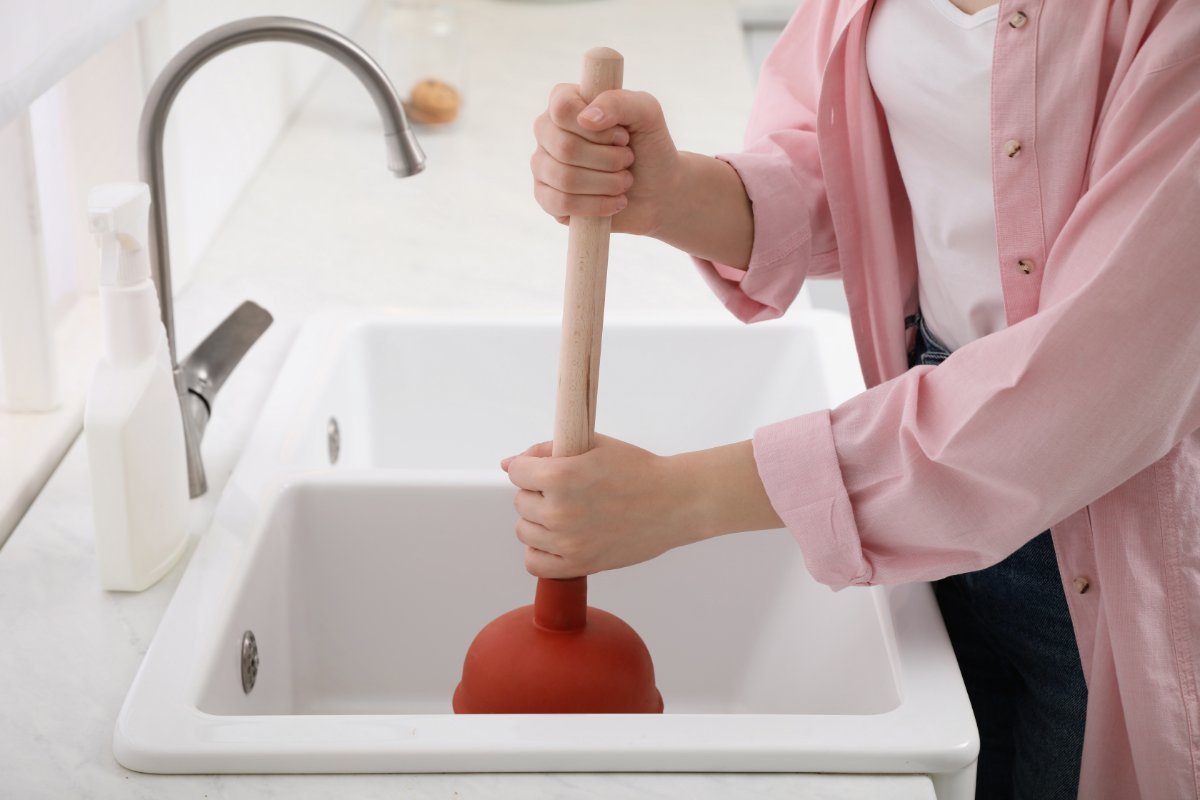
Method 1: The plunger (works more often than you’d think)
- Block the overflow with a damp cloth (essential — otherwise pressure escapes).
- Fill the sink with 2–3 inches of water to cover the plunger cup.
- Use a sink plunger (the cup-shaped one, not the flange toilet type).
- Plunge vigorously 15–20 times — proper force, not gentle bobbing.
- Remove and check drainage. Repeat 2–3 times if needed.
This clears maybe 60% of sink blockages — usually the ones near the plug hole. Always try this first.
Method 2: Bicarbonate of soda + vinegar + hot water
- Pour half a cup of bicarbonate of soda down the plug hole.
- Follow with half a cup of white vinegar. It’ll fizz — that’s the point.
- Cover the plug hole and wait 15–20 minutes.
- Flush with a kettle of boiling water (not boiling if you have PVC push-fit pipes — use very hot tap water instead).
Honest assessment: this works well on greasy, sludgy build-up and mild blockages. It won’t shift a solid mass of hair or a foreign object. But it’s cheap, safe and worth trying before escalating.
Method 3: Clean the U-bend (the real fix)
Most kitchen and bathroom blockages live in the U-bend (the curved trap under the sink). Cleaning it is a 15-minute job:
- Put a bucket under the U-bend and lay towels down.
- Unscrew the trap — most modern ones are hand-tightened plastic; older ones need a wrench.
- Empty the gunk into the bucket (it will be disgusting — that’s normal).
- Scrub the trap with an old bottle brush and hot soapy water.
- Reassemble hand-tight (don’t overtighten plastic threads), run water and check for leaks.
This fixes the vast majority of stubborn blockages. The gunk you’ll find — a solid plug of grease, food and hair — explains everything.
Method 4: Drain snake / auger (£10–£15)
If the blockage is beyond the U-bend, a manual drain snake from any DIY shop reaches 3–5 metres into the pipe. Feed it in slowly, crank when you feel resistance, and pull the debris out (don’t just push it further). Wear gloves. Deeply satisfying when it works.
Method 5: Wet/dry vacuum
A wet vacuum on the plug hole (seal around it with a cloth) can suck a blockage backwards out of the pipe. Unconventional, surprisingly effective on solid obstructions.
Prevention: stop it happening again
- Never pour fat or oil down the sink. Pour it into a jar, let it set, bin it. This single habit prevents most kitchen blockages.
- Use a plug-hole strainer (£2–£3) — catches food and hair before they enter the pipes.
- Run hot water for 30 seconds after washing greasy dishes.
- Bathroom sinks: clear hair from the plug hole weekly — a 10-second job that prevents the worst blockages.
- Monthly: flush with a kettle of hot water + squirt of washing-up liquid.
When to call a plumber
- Multiple fixtures backing up (sink + bath + toilet) — that’s a main drain issue, not a sink issue
- Water coming up in other fixtures when you run the tap
- Foul smells suggesting a venting or sewer problem
- You’ve tried the U-bend and snake with no joy — the blockage may be deep in the soil pipe
A professional drain clearance runs £70–£120 in most of the UK. For London rates, see plumber hourly rates in London.
The bottom line
Plunger → bicarb and vinegar → clean the U-bend → drain snake. That sequence clears 95% of sink blockages with zero chemicals, for under £15 in tools you’ll reuse for years. Save the caustic drain cleaner aisle for someone else — your pipes, your hands and the water system will all be better off. And remember: the jar for the cooking fat. Always the jar.
Why chemical drain cleaners are worse than useless
Worth understanding why to avoid them, beyond general eco-principles. Caustic soda (sodium hydroxide) cleaners generate heat — enough to soften and warp plastic pipes and damage enamel. Acid-based cleaners corrode metal pipes and traps. Both can splash back violently (chemical burns are A&E territory), and they’re lethal to septic tanks — killing the bacteria the system depends on, leading to a £3,000–£7,000 septic repair.
They’re also often ineffective: they can’t dissolve hair (the main bathroom blockage), they sit on top of standing water without reaching the blockage, and they turn a simple mechanical job into a chemical hazard for whoever eventually clears it properly. Plumbers hate being called to a drain full of caustic chemicals — some charge extra for the hazard. The plunger and the U-bend clean beat chemicals on every metric: cheaper, safer, more effective.
Unblocking FAQs
Can I use a plunger on both sides of a double sink? Yes — but you must seal the other plug hole (and the overflow) with a damp cloth, or pressure just escapes through the other side. Same principle as the overflow: block every air escape except the blockage.
The blockage keeps coming back — why? Recurring blockages mean the cause isn’t fixed: usually grease buildup further down the pipe (from years of fat disposal), a sagging pipe (standing water collects debris), or tree roots in the external drain. If you’re unblocking monthly, get a CCTV drain survey (£100–£200) — it shows exactly what’s wrong.
Is it safe to use boiling water on PVC pipes? Caution: fully boiling water (100°C) can soften PVC push-fit joints over time. Use very hot tap water instead for plastic pipework, or let the kettle cool for a minute. Fine for metal pipes.
What’s that smell coming from the plug hole? Usually bacterial biofilm on the pipe walls and overflow channel — not necessarily a blockage. Fix: scrub the overflow channel with a bottle brush, flush with hot water + bicarbonate, and run the tap hot for a minute daily. Persistent sewage smells suggest a dry trap (run water in unused sinks) or a venting fault (plumber job).
When is it definitely a plumber job? Multiple fixtures affected (sink + bath + toilet backing up = main drain), sewage coming up, or no improvement after U-bend clean and drain snake. Don’t keep pouring things down hoping — you’ll just add to the eventual bill.
Related reading
For tougher plumbing jobs, see fixing a dripping tap and London plumber rates. Checkatrade also publishes drain clearance cost guides.