
How to Start an Emergency Fund From Scratch (UK Guide)
How to Start an Emergency Fund From Scratch (UK Guide)
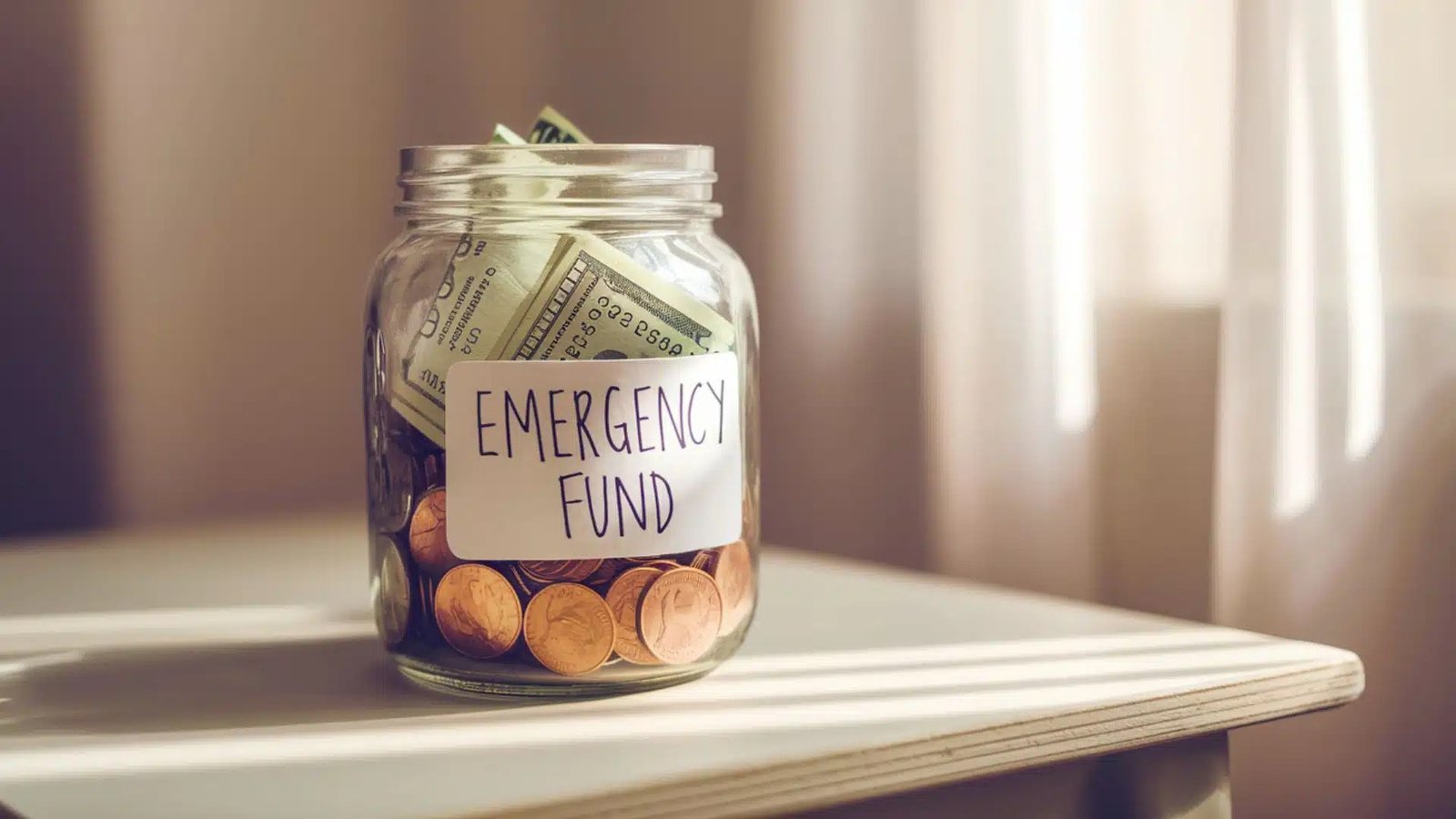
The boiler breaks in February. The car fails its MOT the same week your hours get cut. Life doesn’t schedule its emergencies, and without a financial buffer, every surprise becomes a crisis — or a credit card balance at 24% APR. An emergency fund is the least exciting and most important money you’ll ever save. I built mine from literally zero after a redundancy scare in my twenties, £75 at a time. Here’s exactly how to do it. This guide shows you how to start an emergency fund from scratch — even on a tight budget — with a month-by-month plan that actually works.
What Counts as an Emergency Fund?
An emergency fund is cash set aside for genuine surprises: job loss, urgent car repairs, a broken boiler, emergency travel, a vet bill. It is not: a holiday fund, a deposit fund, “money for a new sofa”, or a slush fund for sale season. The definition matters because a fund you raid for non-emergencies isn’t a fund — it’s a savings account with commitment issues.
How Much Do You Actually Need?
The standard advice is 3–6 months of essential expenses — not your full spending, just what keeps a roof over your head and food on the table: rent, bills, food, transport, minimum debt payments, insurance. For most UK households:
- Single renter, house-share: £4,000–£7,000 (3 months of ~£1,500–£2,300 essentials)
- Couple renting: £7,000–£12,000
- Homeowner with mortgage: aim for 6 months — your fixed costs are higher and harder to cut
- Freelancer/contractor: 6 months minimum — your income is the emergency waiting to happen
Don’t let the big number paralyse you. Your first milestone is £1,000 — enough to absorb most single shocks (a car repair, a washing machine, a month’s shortfall) without touching credit. Hit £1,000 first; the rest follows. For the full monthly budgeting picture, see weekly shop costs and monthly savings targets.
Where to Keep It
An emergency fund must be three things: instantly accessible, separate from daily spending, and earning something. That means:
- An easy-access savings account — ideally a separate bank from your current account, so you’re not staring at it every time you check your balance. Plenty of UK accounts pay 4%+ on easy access in 2026.
- Not invested. Stocks can drop 20% exactly when you lose your job. Emergency money stays in cash. Full stop.
- Not in premium bonds alone. They’re fun, but withdrawals take a few days and returns are lottery-based. Fine as overflow, not as the core fund.
- Consider a cash ISA for the tax-free wrapper if you’re a higher-rate taxpayer — but only if instant access is preserved.
Check the MoneySavingExpert savings tables for current best-buy easy-access rates — they change often.
Starting From Scratch: The Month-by-Month Build Plan
Here’s a realistic path from £0 to £1,000, then beyond:
- Month 1: Open the account and automate £50–£100. Standing order, payday, separate bank. Done is better than perfect.
- Month 2: Find one bill to cut. Switch broadband, haggle your mobile, cancel two subscriptions — redirect the saving straight to the fund. Our subscription cancellation guide usually finds £20–£40/month.
- Months 3–4: Sell stuff. The average UK home has hundreds of pounds of unused stuff. One car-boot or Vinted weekend can add £200+.
- Month 5+: Increase the standing order. Every pay rise, bonus, or birthday money — half goes to the fund until you hit your target.
At £100/month you’ll hit £1,000 in under a year; at £200/month, five months. Then keep going to your 3–6 month target. Slow is fine — the fund works from the first £100.
Rules for Using It (So You Don’t Sabotage Yourself)
- Define “emergency” in writing when you open the account. Future-you will try to negotiate; past-you already decided.
- If you use it, rebuilding becomes priority one — pause other savings goals until it’s restored.
- Never invest it, never lend it, never “borrow” from it for a holiday. The fund’s job is to be boring and available.
What If You’re in Debt?
The classic dilemma. The answer: build a mini fund of £500–£1,000 first, then attack high-interest debt aggressively, then finish the full fund. Why? Because without any buffer, the next emergency goes straight back on the credit card and the debt cycle restarts. The mini-fund breaks the cycle.
Emergency Fund vs Other Goals: The Priority Order
One of the most common questions: “should I save for a house deposit instead?” The answer is sequencing, not either/or:
- £1,000 mini emergency fund — the circuit-breaker. Do this first, whatever else is going on.
- Expensive debt cleared (credit cards, overdrafts) — the guaranteed 25% “return” of not paying interest beats any savings rate.
- Full emergency fund (3–6 months essentials).
- Then house deposits, investments, overpaying cheap debt — in whatever order matches your goals.
The logic: an emergency fund isn’t competing with your other goals — it’s protecting them. Without it, every surprise raids the house deposit or goes on credit, and you’re back to square one. People who skip the fund to “save faster” for a house usually save slower, because life keeps interrupting. Build the foundation first; the house deposit built on top of it survives contact with reality.
Where to Keep It: Current Best Options
Rates change constantly, so check the MoneySavingExpert savings tables before choosing — but the principles are stable:
- Easy-access account, separate bank. The separation matters more than the last 0.25% of interest. If you can see it in your main banking app, you’ll spend it.
- Cash ISA vs standard account: basic-rate taxpayers have a £1,000/year savings interest allowance (£500 for higher-rate), so tax rarely matters for emergency funds — but ISAs keep it simple and the allowance doesn’t shrink.
- Chase, Marcus, Chip and similar frequently top easy-access tables — but don’t chase rates by switching monthly. Pick a good one and leave it.
- Avoid: fixed-term accounts (inaccessible by definition), stocks (volatility), premium bonds as the core (slow access), and keeping it in your current account (invisible = spendable).
Rebuilding After You Use It
Using the fund isn’t failure — it’s the fund doing its job. But rebuilding must become priority one immediately:
- Pause other savings goals temporarily and redirect everything to the rebuild.
- Keep the same standing order — don’t cancel it “until things settle”. Things never settle; the standing order is what settles them.
- Review what happened: was it a genuine emergency, or a predictable expense in disguise? (Car MOTs, Christmas, annual insurance aren’t emergencies — they’re sinking funds you should budget monthly. Set those up too.)
- Celebrate using it without debt. That’s the win. Then rebuild.
For the broader budgeting system this sits inside, see monthly savings targets and the 50/30/20 rule. And if money stress is the backdrop here, our journaling guide helps with the mental side while the fund handles the financial side.
The Practical Takeaway
Start today: open a separate easy-access savings account, set up a £50–£100 payday standing order, and aim for £1,000 first. Find one bill to cut, sell one car-load of stuff, and let automation do the rest. An emergency fund won’t make you rich, but it’s the foundation everything else is built on — the difference between a bad month and a bad year. And once it’s built, London’s best free weekend activities prove you don’t need to spend to enjoy the city while you save.