
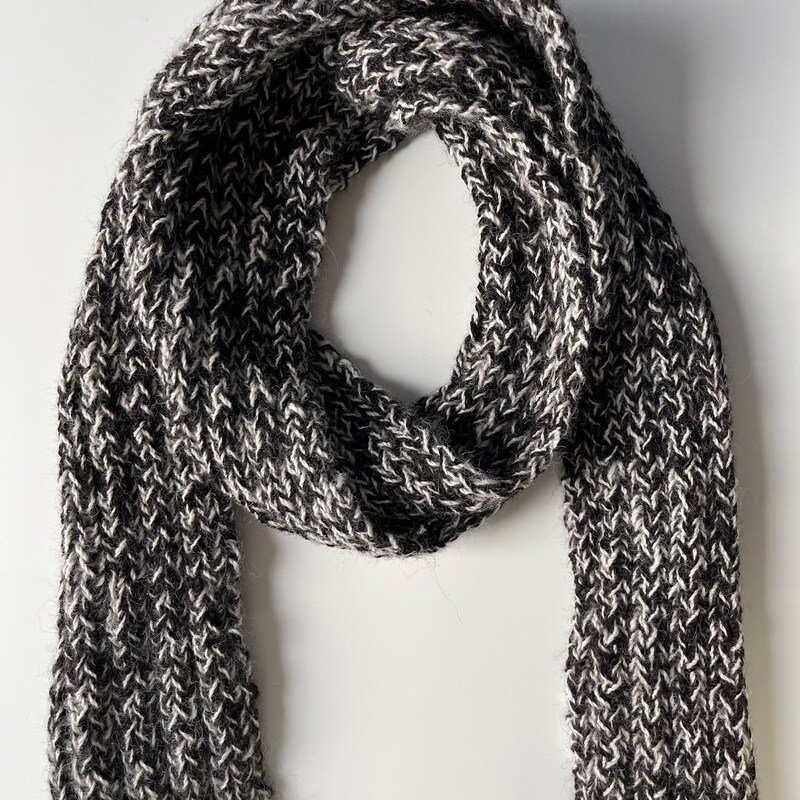
What Is the Best Winter Scarf Material for Warmth?
What Is the Best Winter Scarf Material for Warmth?
A scarf is the highest warmth-per-pound item in winter dressing: it seals the neck gap where coats leak heat, and the right material is the difference between cosy and merely decorated. But “wool scarf” covers everything from a £10 acrylic blend that pills by February to a £150 cashmere heirloom. I’ve owned the full range, and the material genuinely determines the experience. “what is the best winter scarf material for warmth” — let’s get into it properly, with the detail and straight talking the question deserves.
Here’s every common scarf material ranked for warmth, what to pay, and how to choose for your needs — from the daily commute to the special-occasion wrap.
The warmth ranking
Cashmere: the warmth-to-weight champion — incredibly warm for its lightness, soft against skin, the luxury standard. Downsides: price (£60–£200 for good quality), delicacy (pills, needs care), and the ethical questions (the cashmere industry has environmental and animal-welfare concerns — look for certified sources). Best for: the special scarf, gifts, and those who feel the cold but hate bulk.
Merino wool: the practical champion — very warm, softer than standard wool (fine fibres don’t itch), odour-resistant, regulates temperature. A merino scarf (£30–£80) is the best all-rounder: warm enough for real winter, comfortable for all-day wear, durable with care. Lambswool: warm and soft (first shearing), slightly less refined than merino, excellent value (£20–£50).
Standard wool: warm and durable, can itch (depends on fibre fineness — look for “soft” or “fine” wool), the traditional choice (£15–£40). Alpaca: warmer than wool weight-for-weight, silky, hypoallergenic (no lanolin — good for wool-sensitive skin), £40–£100. Blends (wool-cashmere, wool-silk): combine properties — a 50/50 wool-cashmere (£40–£90) gives much of cashmere’s luxury at wool’s price.
- Cashmere: warmest per gram, luxurious, delicate (£60–£200)
- Merino: best all-rounder — warm, soft, durable (£30–£80)
- Alpaca: warmer than wool, hypoallergenic (£40–£100)
- Lambswool/wool: traditional warmth, great value (£15–£50)
- Acrylic: cheap, warm-ish, pills badly (£8–£20) — avoid for daily wear
What to avoid (and the acrylic trap)
Acrylic and polyester “wool-feel” scarves (£8–£20): tempting, and they’ll keep you warm-ish — but they pill within weeks, generate static, don’t breathe (clammy warmth), and look cheap quickly. For occasional wear they’re fine; for a daily winter scarf, they’re false economy. The £15 acrylic scarf replaced yearly costs more than the £45 lambswool scarf worn for five years — and looks worse every day of it.
“Cashmere-feel” and “cashmerette”: marketing terms for synthetic — not cashmere in any sense. Real cashmere content is labelled as a percentage; if it doesn’t state one, there isn’t any. Pashmina: technically a fine cashmere weave — but the term is now applied to £10 polyester wraps. A real pashmina costs £80+; the £12 “pashmina” is polyester. Buy the material, not the word.
Thin fashion scarves (silk, chiffon, thin cotton): beautiful, not warm — they’re accessories, not winter equipment. Own both if you like; don’t expect the silk scarf to do January’s work. And very chunky knit acrylics: warm but enormously bulky, pilling, and the “cosy” look dates fast — a medium-weight wool scarf is more versatile.
Choosing for your needs
The daily commuter: merino or lambswool (£30–£60) — warm, durable, not too precious for daily abuse, survives the coat-check and the Tube. Get a dark colour or pattern (city grime shows on cream). The cold-feeler: cashmere or alpaca (£60–£120) — maximum warmth without bulk, worth the investment if you’re always cold. The gift buyer: cashmere in a classic colour and gift box (£80–£150) — the universally-appreciated present (see our thinking on milestone gifts).
Sensitive skin: alpaca or high-quality merino (no itch); avoid standard wool against the neck. Ethical concerns: look for certified cashmere (Sustainable Fibre Alliance), ZQ merino, or recycled wool options — the industry is improving, and your purchase supports the better producers. For the sustainable fashion context, see sustainable brands.
Size matters: a proper winter scarf is 180–200cm long and 30–70cm wide — long enough to wrap twice, wide enough to tuck into the coat. The tiny “scarf” that’s 120cm long is a neckerchief, not winter equipment. Weight: 200–400g of wool is substantial warmth; under 100g is fashion.
Care: making it last
Wool and cashmere care is simple but specific: wash rarely (air after wearing — wool is naturally odour-resistant), hand wash cold with wool detergent when needed (£5–£8 a bottle), dry flat (never hang wet wool — it stretches), and store folded with moth protection (cedar, lavender — moths love neglected knitwear). A cashmere comb (£8) removes pilling and keeps scarves looking new — de-pilling transforms a tired scarf.
Moth prevention deserves emphasis: the £80 cashmere scarf eaten by moths is a common tragedy. Store clean (moths prefer dirty wool), in sealed bags or drawers with cedar/lavender, and check stored knits in spring. If you find moths, freeze the item (48 hours in the freezer kills eggs and larvae) and clean the storage area thoroughly.
The cost-per-wear: a £60 merino scarf worn 100 days a year for 5 years costs 12p per wear. The £12 acrylic replaced annually costs more per wear and looks worse throughout. Buy the good scarf, care for it simply, and it’ll be keeping you warm when the fast-fashion versions are landfill. Pair it with knowledge from winter coat costs for the complete cold-weather system.
How to tie a winter scarf: 5 styles that work
The Parisian loop: fold the scarf in half lengthwise, drape around neck, pull the loose ends through the loop — the classic, warm, neat, works with every scarf over 150cm. The once-around: drape with one end longer, wrap the long end around once, adjust — relaxed, good for chunky scarves. The twice-around (for long scarves): wrap twice, tuck ends — maximum warmth, the deep-winter default.
The over-the-shoulder drape: for wide blanket scarves — fold into a triangle or rectangle, drape over shoulders like a shawl, belt it for structure. Elegant, very warm, doubles as a wrap indoors. The tucked-in: wrap once, tuck the whole scarf inside the coat — clean lines, no flapping, the smart-coat companion. The loop-and-knot: Parisian loop, then knot the ends together — secure in wind, the commuter’s choice.
The principles: the scarf should seal the neck-to-coat gap (that’s where heat escapes), sit comfortably without choking, and be adjustable one-handed (you’ll do it wearing gloves). Practice at home, not at the station. And the colour note: the scarf sits right under your face — it’s the most visible colour you wear in winter. Choose one that flatters your skin tone (see colours for pale skin) — it matters more than the coat colour.
What Is the Best Winter Scarf Material for Warmth: The Short Answer
Merino wool (£30–£60) for the daily scarf, cashmere (£80–£150) for the special one — avoid acrylic for daily wear, buy proper length, and protect against moths. Related reading: M&S scarves.