
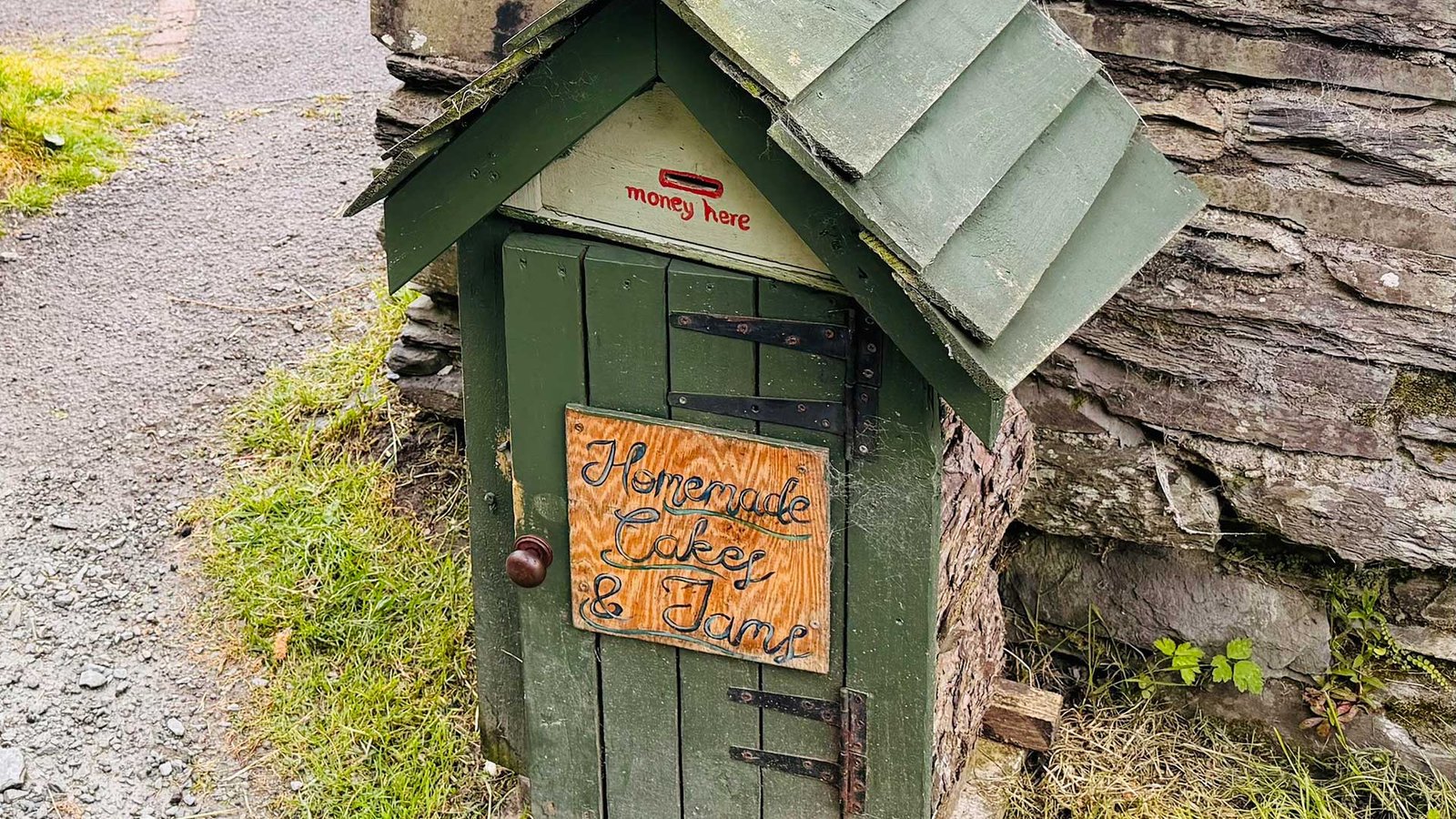
Selling Food from Home in the UK: Licences & Rules
Selling Food from Home in the UK: Licences & Rules
Do I need a licence to sell food from home in the UK? Not a licence exactly — but you must register with your local council at least 28 days before starting, and food hygiene rules apply to your home kitchen just as they do to restaurants. It’s free to register, but the rules are real and enforced.
It’s one of those questions that sounds simple until you start digging. Ask three people and you’ll get four different answers — usually because everyone’s situation is slightly different. I’ve pulled together the practical detail below so you can make a decision without spending your whole weekend on comparison sites. If that’s on your mind too, have a look at our guide to how much does it cost to trademark a business name in the uk — it pairs naturally with everything below.
Do I need a licence to sell food from home in the UK? The requirements
Registration with your local authority’s environmental health department is mandatory and free — do it at least 28 days before you start selling. There’s no licence fee and no approval needed for most home food businesses; registration is a notification, not a permission slip. But it triggers the possibility of inspection, so your kitchen must meet food hygiene standards from day one.
You may need additional approval if you handle meat, dairy or fish products beyond simple preparation (supplying other businesses, for example). And if you sell alcohol, run a café-style operation, or put tables outside, separate licences apply. For standard home baking, preserves, and prepared foods sold direct to the public, registration plus hygiene compliance is the whole requirement.
Right — with the basics covered, let’s get into the detail that actually affects your wallet. Worth a read alongside this: our guide to how do I start an online shop with no money in the uk.
Food hygiene: what your kitchen must meet
If you only read one list today, make it this one:
- Clean, well-maintained premises: your domestic kitchen is fine if it’s clean and in good repair — no commercial refit required.
- Food hygiene training: not legally required, but Level 2 Food Hygiene (£15-£30 online) is expected by inspectors and customers.
- HACCP principles: you must have a food safety management system — the FSA’s free ‘Safer food, better business’ pack covers home caterers.
- Temperature control: fridges at 0-5°C, proper cooling of cooked food, and a probe thermometer (£10).
- Allergen management: Natasha’s Law requires full ingredient and allergen labelling on prepacked food — non-negotiable since 2021.
It’s worth pausing here to think about what you actually need versus what sounds nice on paper. Providers love selling you headroom you’ll never use.
Labelling and allergen law
This is where home food businesses most often trip up: the 14 recognised allergens (celery, gluten, crustaceans, eggs, fish, lupin, milk, molluscs, mustard, nuts, peanuts, sesame, soya, sulphites) must be declared, and prepacked-for-direct-sale food needs full ingredient lists with allergens emphasised. Get this wrong and the penalties are severe — allergen failures have led to prosecutions and prison sentences.
Keep it simple: list every ingredient, bold the allergens, include your business name and address, a best-before date, and storage instructions. Free labelling templates from the FSA make this straightforward. When in doubt, over-declare — ‘may contain’ warnings are for cross-contamination risk, not a substitute for knowing your ingredients.
Insurance and practicalities
Do it in this sequence and you won’t miss anything important:
- Register with your council (free, 28+ days before starting).
- Complete Level 2 Food Hygiene training (£15-£30 online).
- Set up your Safer Food Better Business pack (free from the FSA).
- Get product liability insurance (£100-£200/year) — essential, not optional.
- Sort allergen labelling before your first sale.
- Check your tenancy/mortgage allows home business use.
- Register as self-employed with HMRC once you start trading.
Quick answers
What’s the biggest mistake people make with selling food from home?
Rushing in without comparing options. Most people grab the first selling food from home deal they see — usually an advert or a mate’s recommendation — and never check whether it actually fits their situation. Spend an hour comparing two or three alternatives, read the small print on the cheapest one, and you’ll dodge the regret that lands three months later when the bills arrive or the limitations start to bite.
How much should I realistically budget for selling food from home?
More than the headline price, less than the premium option. A sensible budget for selling food from home sits in the middle of the market — enough to avoid the cut corners of the cheapest tier, without paying for features you’ll never touch. Add 15-20% contingency for the extras nobody mentions upfront, and you’ll land about right. The people who blow the budget are the ones who budgeted for the advert price instead of the real one.
Can I handle selling food from home myself, or do I need professional help?
It depends on complexity and stakes. Straightforward selling food from home tasks are well within DIY territory with a decent guide — most people manage fine and save a packet. But when money, legal compliance or safety are involved, professional help pays for itself quickly. My rule of thumb: DIY when the worst case is a wasted afternoon; call in a pro when the worst case is wasted money or a legal headache.
Pro tip: whatever you decide about selling food from home, set a calendar reminder to review it in a year’s time. Prices, products and your own needs all shift — the people who get the best value long-term are the ones who revisit decisions, not the ones who choose perfectly on day one.
So, what’s the verdict?
No licence fee — but council registration (28 days ahead), hygiene standards, allergen labelling and insurance are all mandatory. The rules are straightforward and the startup costs are tiny; the businesses that get in trouble are the ones who skip the paperwork.
At the end of the day, the right choice is the one that fits your life and your budget — not the one with the flashiest advert. You’ve now got the facts; trust your judgement. Final thought: the market rewards people who shop around and punishes people who don’t. You’re now in the first group. For the official word, see Food Standards Agency: starting a food business. GOV.UK: register a food business is also worth a look for independent comparisons. And if you’re still weighing things up, our guide to what is vat and when do I need to register for it covers the next question most people ask.