
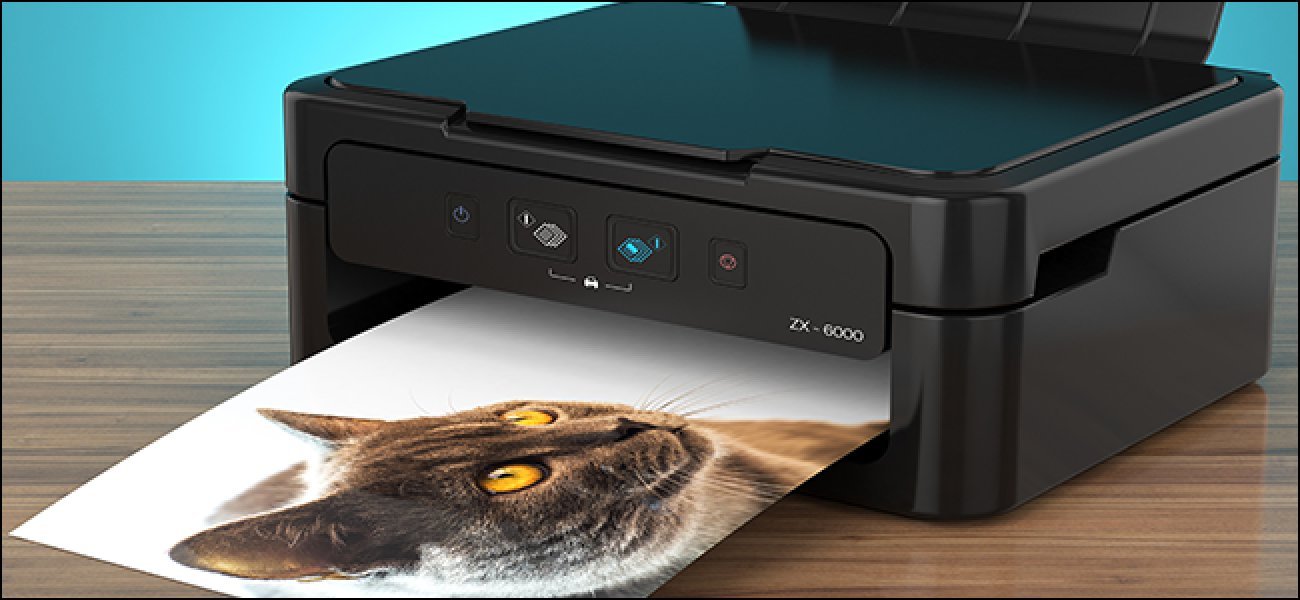
Printing at Home vs Print Shop: The True Cost Compared
Printing at Home vs Print Shop: The True Cost Compared
How much does it cost to print at home versus using a print shop? Home printing runs 8-15p per page all-in; high-street print shops charge 10-50p per page depending on colour and urgency. The crossover point — where owning a printer pays off — is lower than most people think, but higher than printer manufacturers claim.
Before we get into the detail, a quick reality check: the “best” answer depends on your circumstances more than any ranking ever will. A student in shared housing needs something very different from a family of five or a freelancer working from a spare room. Keep your own situation in mind as you read, and you’ll land on the right choice. If that’s on your mind too, have a look at our guide to why does my wifi keep dropping and how do I fix it — it pairs naturally with everything below.
How much does it cost to print at home versus using a print shop?
Home printing’s real cost is ink, not the printer. A standard inkjet cartridge set (£30-£50) yields 200-400 pages — that’s 10-20p per page in ink alone, before paper. Tank printers (Epson EcoTank, Canon MegaTank, £200-£300 upfront) slash this to 1-2p per page, paying back the premium within a year for regular printers.
Print shops: high-street chains charge 10-15p for black & white, 40-60p for colour per A4 page. Libraries are the bargain — often 10-20p colour. Online services (like Doxdirect) do bulk colour from 5p/page. For occasional printing, shops win easily; for 20+ pages a month, home printing pulls ahead.
Here’s where it gets genuinely useful. The theory is fine, but decisions happen in the detail below. Worth a read alongside this: our guide to what is the best wireless earbuds option under £50 in the uk.
The hidden costs of home printing
Here’s the short version, so you can scan it fast:
- Ink drying out: infrequent printers waste cartridges to dried nozzles — the #1 money burner. Print something weekly or don’t own an inkjet.
- The printer itself: £60-£120 budget inkjets are cheap because the ink is the business model. Amortise it over expected life.
- Paper and electricity: minor (1-2p/page), but they’re not zero.
- Your time: troubleshooting paper jams at 11pm has a cost too.
- Space: printers are bulky, ugly and permanent residents of the spare room.
One thing I’ve noticed over the years: the people who are happiest with their choice are the ones who matched it to how they actually live, not to some idealised version of their habits. Be honest with yourself here and you’ll choose better.
Which printer if you buy one
For most homes: a tank printer (EcoTank/MegaTank). Yes, £200-£300 upfront stings, but 1p pages and ink bottles that last years make it the cheapest long-term option by miles. I’ve watched families go from £80/year in cartridges to £15/year in bottled ink.
For rare printing: a basic monochrome laser (£80-£120, Brother’s are the default recommendation). Toner doesn’t dry out, so it works perfectly after six months idle — the ideal ‘print a boarding pass twice a year’ machine. Avoid cheap colour inkjets unless you print weekly; they’re designed to extract ink money from the unwary.
The verdict by printing volume
Under 10 pages a month: use the library or a print shop. Owning a printer is pure loss at this volume — dried ink alone will cost more than the printing.
10-50 pages a month: a tank printer or mono laser pays for itself within 12-18 months and the convenience is genuine.
50+ pages a month: tank printer, no contest. You’ll save hundreds over the printer’s life.
One-off bulk jobs (wedding invitations, dissertations): online print services beat both home and high-street on price and quality — and they bind it nicely too.
Quick answers
Is the cheapest home vs shop printing option ever the right choice?
Sometimes — but rarely for the reasons people think. The cheapest home vs shop printing option works fine when your needs are simple and the product is basically a commodity. It falls apart when reliability, support or longevity matter. Ask yourself one question: what’s the cost if this goes wrong? If the answer is ‘a bad afternoon’, go cheap and cheerful. If it’s ‘hundreds of pounds or weeks of hassle’, pay the middle price and sleep well.
How long does sorting out home vs shop printing usually take?
Less time than you’re probably imagining. The research takes an evening, the decision takes a day of mulling over, and the actual doing is usually under two hours. What stretches it into weeks is dithering — half-decided, tab-hoarding limbo. Pick a deadline, gather the facts from this guide, make the call, and move on. Done beats perfect here, every single time.
What should I do first if I’m completely new to home vs shop printing?
Start with the free, reversible steps: research, compare, and get your facts straight before spending a penny or signing anything. Make a shortlist of two or three options, check recent reviews — and read the one-star ones, not just the average — and talk to someone who’s done it before you. Ten minutes of asking around beats ten hours of guessing, and it costs nothing.
Pro tip: when you’re comparing home vs shop printing options, ignore the headline claims and read the worst-case reviews instead. How a company handles problems tells you far more than any advert — and it’s the problems you’ll remember, not the smooth months.
So, what’s the verdict?
Shops/libraries win under 10 pages a month; a tank printer wins above that. Never buy a cheap inkjet for occasional use — dried cartridges will eat you alive. And for one-off bulk jobs, online printers beat everything.
Nobody else is going to sort this for you, and honestly it doesn’t take long once you know what you’re looking at. Pick the option that fits, set a reminder to review it in a year, and get on with your life. Final thought: the market rewards people who shop around and punishes people who don’t. You’re now in the first group. For the official word, see Which? best printers. MoneySavingExpert: cut printing costs is also worth a look for independent comparisons. And if you’re still weighing things up, our guide to how do I connect my phone to my car bluetooth covers the next question most people ask.