
How to Recycle Old Electronics in the UK (Free Options)
How to Recycle Old Electronics in the UK (Free Options)
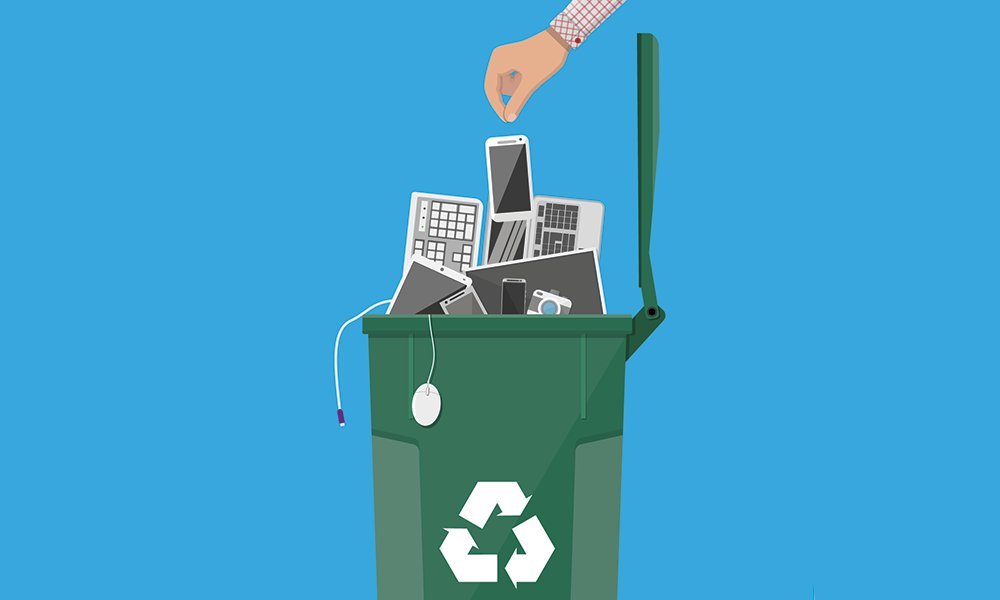
How do I recycle old electronics in the UK? Don’t bin them — it’s actually illegal for many items, and there are free drop-off points within a few miles of almost everyone. Old phones, laptops, kettles, cables: all of it can go for free, and some of it is even worth money.
It’s one of those questions that sounds simple until you start digging. Ask three people and you’ll get four different answers — usually because everyone’s situation is slightly different. I’ve pulled together the practical detail below so you can make a decision without spending your whole weekend on comparison sites. If that’s on your mind too, have a look at our guide to is it worth buying an extended warranty on electronics in the uk — it pairs naturally with everything below.
How do I recycle old electronics in the UK? Your options
Boiled down to what matters:
- Council recycling centres (tips): every UK council runs household waste recycling centres with dedicated WEEE (e-waste) skips — free, no booking needed at most. Find yours on your council’s website.
- Retailer take-back: by law, large electrical retailers must take back your old equivalent item when you buy new — Currys, John Lewis, AO.com all do this, often collecting the old one on delivery.
- Currys in-store recycling: drop small electronics at any Currys for free, no purchase necessary. Cables, chargers, old phones — the drawer of doom can finally go.
- Supermarket battery bins: Tesco, Sainsbury’s and most supermarkets have battery recycling points by the entrance.
- Royal Mail / Apple trade-in: Apple recycles any old Apple device free by post; many Android makers offer similar schemes.
Still with me? Good, because this next bit is where people usually go wrong. Worth a read alongside this: our guide to what is the best tablet for reading and browsing under £200.
Wipe your data first — seriously
Here’s the process, step by step — nothing here should take more than an afternoon:
- Back up anything you want to keep (photos especially) before you start.
- Sign out of iCloud/Google accounts and remove the device from your account online.
- Perform a factory reset — and on phones, encrypt then reset for extra safety on older Androids.
- Remove SIM and memory cards (people forget these constantly).
- For laptops with sensitive data, consider removing the drive or using secure-erase software.
- Only then hand it over for recycling.
It’s worth pausing here to think about what you actually need versus what sounds nice on paper. Providers love selling you headroom you’ll never use.
What happens to it all?
UK e-waste goes to licensed treatment facilities where it’s dismantled: metals (copper, aluminium, steel) are recovered, circuit boards are processed for precious metals — a tonne of phones contains more gold than a tonne of gold ore — and hazardous bits like batteries and mercury switches are safely isolated. Around 50-60% of e-waste by weight gets recycled into new products.
The system isn’t perfect — too much still ends up in general waste or dodgy exports — but using official routes (council, retailer, manufacturer schemes) keeps your items in the regulated stream. Fly-tipping electronics or handing them to unlicensed ‘collectors’ risks exactly the environmental damage recycling is meant to prevent.
Could it be worth money instead?
Before recycling, check resale value — ‘recycle’ should be the last resort, not the first. Working iPhones hold value for years (musicMagpie, Mazuma and Apple Trade In quote instantly online), and even broken phones have parts value. Laptops, cameras and consoles too.
If it’s too old to sell, donate it: charities like Computer Aid refurbish old laptops for schools and refugees. A five-year-old laptop that’s useless to you is transformative for a student with nothing. Freecycle and Freegle move working-but-unwanted electronics within days — one person’s drawer clutter is another’s perfectly good kettle.
Quick answers
Can I handle electronics recycling myself, or do I need professional help?
It depends on complexity and stakes. Straightforward electronics recycling tasks are well within DIY territory with a decent guide — most people manage fine and save a packet. But when money, legal compliance or safety are involved, professional help pays for itself quickly. My rule of thumb: DIY when the worst case is a wasted afternoon; call in a pro when the worst case is wasted money or a legal headache.
Is the cheapest electronics recycling option ever the right choice?
Sometimes — but rarely for the reasons people think. The cheapest electronics recycling option works fine when your needs are simple and the product is basically a commodity. It falls apart when reliability, support or longevity matter. Ask yourself one question: what’s the cost if this goes wrong? If the answer is ‘a bad afternoon’, go cheap and cheerful. If it’s ‘hundreds of pounds or weeks of hassle’, pay the middle price and sleep well.
How long does sorting out electronics recycling usually take?
Less time than you’re probably imagining. The research takes an evening, the decision takes a day of mulling over, and the actual doing is usually under two hours. What stretches it into weeks is dithering — half-decided, tab-hoarding limbo. Pick a deadline, gather the facts from this guide, make the call, and move on. Done beats perfect here, every single time.
Pro tip: whatever you decide about electronics recycling, set a calendar reminder to review it in a year’s time. Prices, products and your own needs all shift — the people who get the best value long-term are the ones who revisit decisions, not the ones who choose perfectly on day one.
The bottom line
Council tips take everything for free, retailers must take back old items by law, and Currys accepts small electronics with no purchase needed. Wipe your data first, check if it’s worth selling before recycling, and never put electronics in your general bin.
That’s the full picture as it stands. Markets move and deals change, but the principles above hold — match the choice to your real needs, read the small print, and don’t pay for things you won’t use. Final thought: the market rewards people who shop around and punishes people who don’t. You’re now in the first group. For the official word, see Recycle Now: find e-waste recycling. GOV.UK: disposing of electrical waste is also worth a look for independent comparisons. And if you’re still weighing things up, our guide to how much electricity does a gaming pc use per hour covers the next question most people ask.
One thought on “How to Recycle Old Electronics in the UK (Free Options)”