
Best Budget Smartphones Under £300 in the UK (2026)
Best Budget Smartphones Under £300 in the UK (2026)
What is the best budget smartphone under £300 in the UK? The honest answer in 2026: you don’t need to spend more. Phones at £200-£280 now pack the cameras, batteries and screens that flagships charged £800 for three years ago. The trick is knowing which cheap phones are genuinely good and which are cheap for a reason.
It’s one of those questions that sounds simple until you start digging. Ask three people and you’ll get four different answers — usually because everyone’s situation is slightly different. I’ve pulled together the practical detail below so you can make a decision without spending your whole weekend on comparison sites. If that’s on your mind too, have a look at our guide to how much does it cost to repair a cracked phone screen in the uk — it pairs naturally with everything below.
What is the best budget smartphone under £300 in the UK?
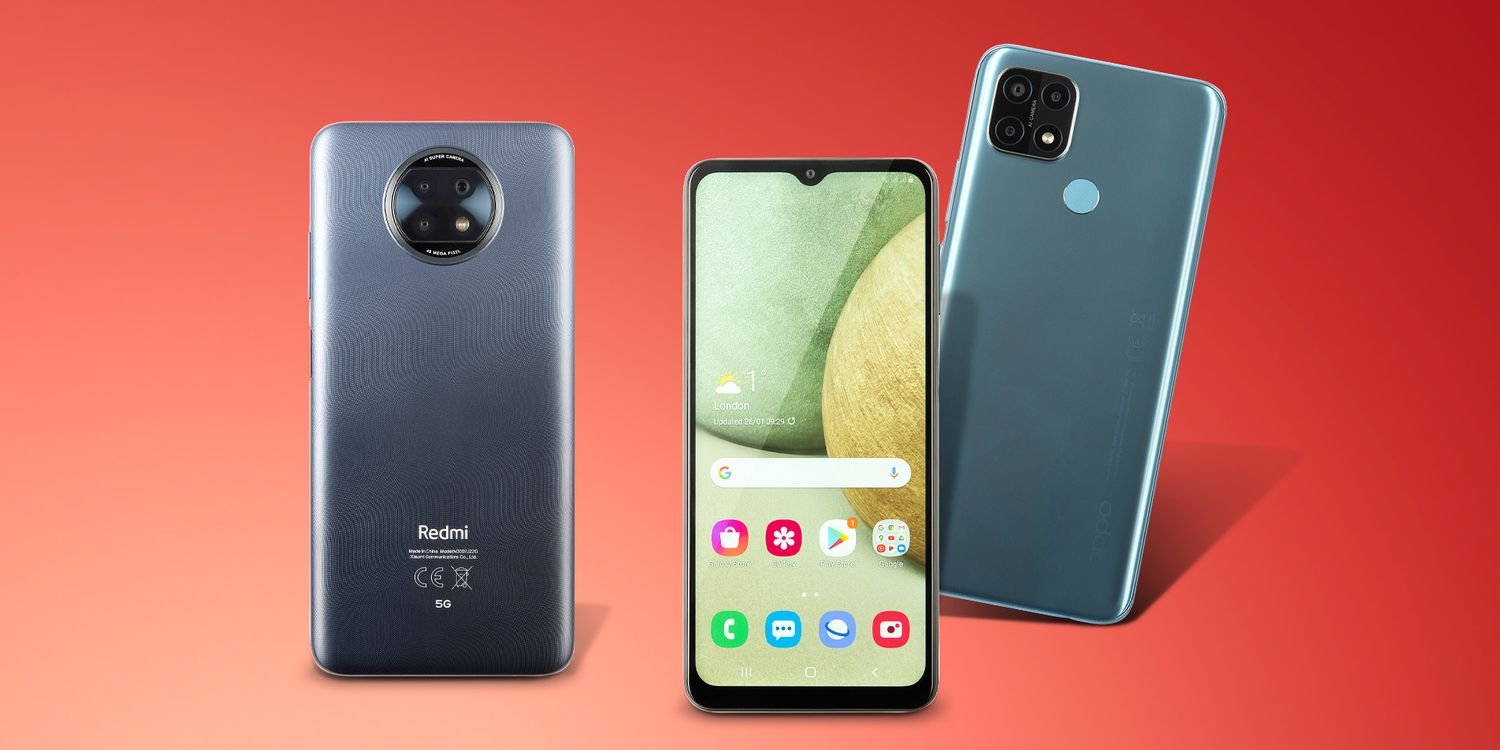
The Xiaomi Redmi Note series remains the pound-for-pound champion — typically £180-£230 for a big AMOLED screen, a two-day battery and a camera that embarrasses phones twice the price in daylight. MIUI takes some taming (turn off the ads and bloat on day one), but the hardware value is unmatched.
Samsung’s Galaxy A-series (A25/A35 when discounted) is the safe pick at £220-£280: cleaner software, better update promises, and Samsung’s camera processing flatters skin tones in a way Xiaomi doesn’t. If you want a phone your mum could use without calling you, this is it.
Motorola’s Moto G range deserves its cult following — near-stock Android, sensible prices around £150-£220, and batteries that simply refuse to die. The cameras are the compromise, but for calls, WhatsApp, maps and browsing, they’re all most people need.
Here’s where it gets genuinely useful. The theory is fine, but decisions happen in the detail below. Worth a read alongside this: our guide to how do I transfer data from an old phone to a new one.
What to prioritise at this price
If you only read one list today, make it this one:
- Software updates: Samsung promises 4 years on A-series; some cheaper brands offer two. This matters more than megapixels.
- Battery: look for 5,000mAh — at this price, two-day battery life is standard and anything less is a red flag.
- Storage: 128GB minimum. Budget phones fill 64GB shockingly fast and many cheap models skimp here.
- 5G: nice to have, not essential — but most £200+ phones include it now, so don’t pay extra specifically for it.
- Charger in the box: increasingly rare; budget £15 for a decent 25W charger if one’s not included.
It’s worth pausing here to think about what you actually need versus what sounds nice on paper. Providers love selling you headroom you’ll never use.
Where the cheap phones cut corners
Let’s be straight about the compromises. Budget phones use slower processors that show their age in 2-3 years, cameras that fall apart in low light, and cheaper haptics and speakers that feel noticeably less premium. None of this matters much for everyday use — but if mobile photography is your hobby, save longer and spend more.
Water resistance is the other casualty: proper IP68 ratings basically don’t exist under £300. A splash-proof coating is the best you’ll get, so keep it away from the pool and invest in a case.
New budget vs refurbished flagship
Here’s the question I get asked most: a £250 new budget phone or a £250 refurbished two-year-old flagship? The refurb wins on camera, screen and build quality almost every time — a refurbished Galaxy S22 or iPhone 12 at that price outclasses any new budget handset. The new phone wins on battery health and longer remaining update support.
My rule: if camera quality matters to you, buy the refurbished flagship. If you want zero fuss, a fresh battery and warranty simplicity, buy the new budget phone. There’s no wrong answer, only a wrong assumption that new automatically means better.
Quick answers
Is the cheapest budget smartphones option ever the right choice?
Sometimes — but rarely for the reasons people think. The cheapest budget smartphones option works fine when your needs are simple and the product is basically a commodity. It falls apart when reliability, support or longevity matter. Ask yourself one question: what’s the cost if this goes wrong? If the answer is ‘a bad afternoon’, go cheap and cheerful. If it’s ‘hundreds of pounds or weeks of hassle’, pay the middle price and sleep well.
What’s the biggest mistake people make with budget smartphones?
Rushing in without comparing options. Most people grab the first budget smartphones deal they see — usually an advert or a mate’s recommendation — and never check whether it actually fits their situation. Spend an hour comparing two or three alternatives, read the small print on the cheapest one, and you’ll dodge the regret that lands three months later when the bills arrive or the limitations start to bite.
Can I handle budget smartphones myself, or do I need professional help?
It depends on complexity and stakes. Straightforward budget smartphones tasks are well within DIY territory with a decent guide — most people manage fine and save a packet. But when money, legal compliance or safety are involved, professional help pays for itself quickly. My rule of thumb: DIY when the worst case is a wasted afternoon; call in a pro when the worst case is wasted money or a legal headache.
Pro tip: for budget smartphones, the middle of the market is usually the sweet spot. The cheapest tier cuts the corners you’ll notice every single day; the premium tier charges for bragging rights. Buy the best of the mid-range and you’ll rarely regret it.
So, what’s the verdict?
Under £300 in 2026, the Redmi Note for value, Galaxy A-series for the safe all-rounder, or Moto G for battery life — and seriously consider a refurbished flagship at the same price if the camera matters. Whatever you pick, check the update policy before the spec sheet.
That’s the full picture as it stands. Markets move and deals change, but the principles above hold — match the choice to your real needs, read the small print, and don’t pay for things you won’t use. Final thought: the market rewards people who shop around and punishes people who don’t. You’re now in the first group. For the official word, see Which? Best Buy budget smartphones. Xiaomi UK official store is also worth a look for independent comparisons. And if you’re still weighing things up, our guide to is it worth buying a refurbished iphone in the uk covers the next question most people ask.
One thought on “Best Budget Smartphones Under £300 in the UK (2026)”