
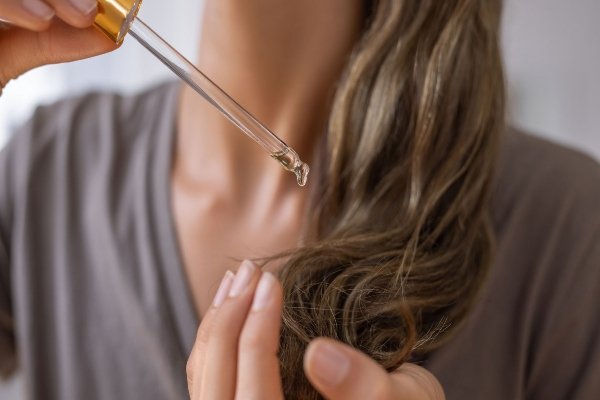
How to Apply Oil to Hair: Step-by-Step Guide (2026)
Quick answer: To apply oil to hair, warm a few drops between your palms and smooth it through mid-lengths to ends on damp or dry hair — never drench the scalp. Use lightweight oils (argan, jojoba) for fine hair and richer ones (coconut, castor) for thick or dry hair. Less is always more.
Hair oiling is one of the oldest hair-care practices in the world, and it’s having a well-deserved moment. Done right, it adds shine, tames frizz, protects against breakage, and makes hair feel silky. Done wrong, you look like you haven’t washed in a fortnight. Here’s how to get it right.
Which Oil Should You Use?
Different oils suit different hair types:
- Argan oil: Lightweight, fast-absorbing, suits most hair types. The best all-rounder for beginners.
- Jojoba oil: Very light, closest to the scalp’s natural oils. Great for fine hair and oily scalps.
- Coconut oil: Rich and penetrating — excellent for thick, dry, or damaged hair, but can be too heavy for fine hair.
- Castor oil: Very thick; traditionally used to encourage the appearance of fuller hair. Best mixed with a lighter oil.
- Sweet almond oil: Light, affordable, good for everyday use.
- Olive oil: A decent budget option for deep treatments, though heavier than argan.
Look for cold-pressed, unrefined oils with no added fragrance. In the UK, Boots, Superdrug, and Holland & Barrett stock good options, or try dedicated hair oils from brands like OGX and Garnier.
How Much Oil to Use
This is where most people go wrong. The right amount:
- Short / fine hair: 1–2 drops (pea-sized)
- Medium hair: 3–4 drops
- Long / thick hair: 5–6 drops (a 5p-sized pool)
Start with less than you think you need — you can always add more, but removing excess means rewashing. Your hair should look shinier, not wet.
Method 1: Daily Leave-In (Most Common)
- Rub the oil between your palms to warm it — this helps it spread evenly.
- Apply to damp or dry hair, starting from mid-lengths and working down to the ends.
- Keep it away from the roots and scalp unless your scalp is very dry.
- Comb through gently with a wide-tooth comb to distribute.
- Style as normal.
Applying to damp hair (after washing, before styling) seals in moisture. Applying to dry hair tames frizz and adds shine between washes.
Method 2: Pre-Shampoo Treatment (Deep Nourishment)
- Apply a generous amount of oil to dry hair, from roots to ends.
- Massage into the scalp for 2–3 minutes to boost circulation.
- Leave for at least 30 minutes — or overnight for a deep treatment (protect your pillow with a towel).
- Shampoo twice to remove all the oil, then condition as normal.
This is the traditional “hair oiling” method and it’s brilliant for dry, damaged, or very thick hair. Once a week is plenty.
Method 3: Overnight Treatment
For seriously dry or damaged hair, apply oil generously before bed, braid or bun your hair loosely, sleep on a towel-covered pillow, and wash out in the morning. You’ll wake up to noticeably softer hair. Don’t do this more than once a week — over-oiling can lead to build-up.
Common Mistakes to Avoid
- Using too much. The number one mistake. Greasy, lank hair is always too much oil, not the wrong oil.
- Oiling a dirty scalp. Oil seals in whatever’s underneath — including dirt and sweat. Oil clean or freshly washed hair.
- Applying to soaking wet hair. Oil and water don’t mix; on dripping hair the oil just slides off. Towel-dry first.
- Expecting instant repair. Oil improves appearance and prevents further damage, but it can’t mend split ends — only a trim does that.
- Using cooking oils with additives. Stick to pure, cosmetic-grade oils.
Oil by Hair Type: Quick Guide
- Fine / thin hair: Argan or jojoba, 1–2 drops, ends only, on dry hair.
- Thick / coarse hair: Coconut or castor (diluted), more generous amounts, pre-shampoo treatments work well.
- Curly hair: Heavier oils help define curls and fight frizz — try the LOC method (leave-in, oil, cream).
- Oily scalp: Keep oil off the scalp entirely; focus on mid-lengths and ends.
- Coloured hair: Argan oil is colour-safe and adds shine without stripping.
FAQs
Should I apply oil to wet or dry hair?
Both work for different purposes: damp hair for sealing in moisture after washing, dry hair for shine and frizz control between washes. Avoid soaking-wet hair.
Can I leave hair oil in overnight?
Yes, as an occasional deep treatment (once a week max). Use a generous amount, protect your pillow, and shampoo thoroughly in the morning.
Will hair oil make my hair grow faster?
Oil doesn’t speed up growth — nothing topical really can. But scalp massage improves circulation and healthy, unbroken hair looks longer because it’s not snapping off. That’s the real benefit.
How do I get oil out if I used too much?
Shampoo twice with a regular (not sulphate-free) shampoo, focusing on the scalp. A little baking soda mixed into your shampoo helps cut through heavy oil. Then condition the ends.
Conclusion
Hair oil is simple: pick the right oil for your hair type, use less than you think, apply to mid-lengths and ends, and be consistent. Whether it’s a daily drop of argan for shine or a weekly coconut oil treatment for deep nourishment, your hair will feel the difference within weeks.