
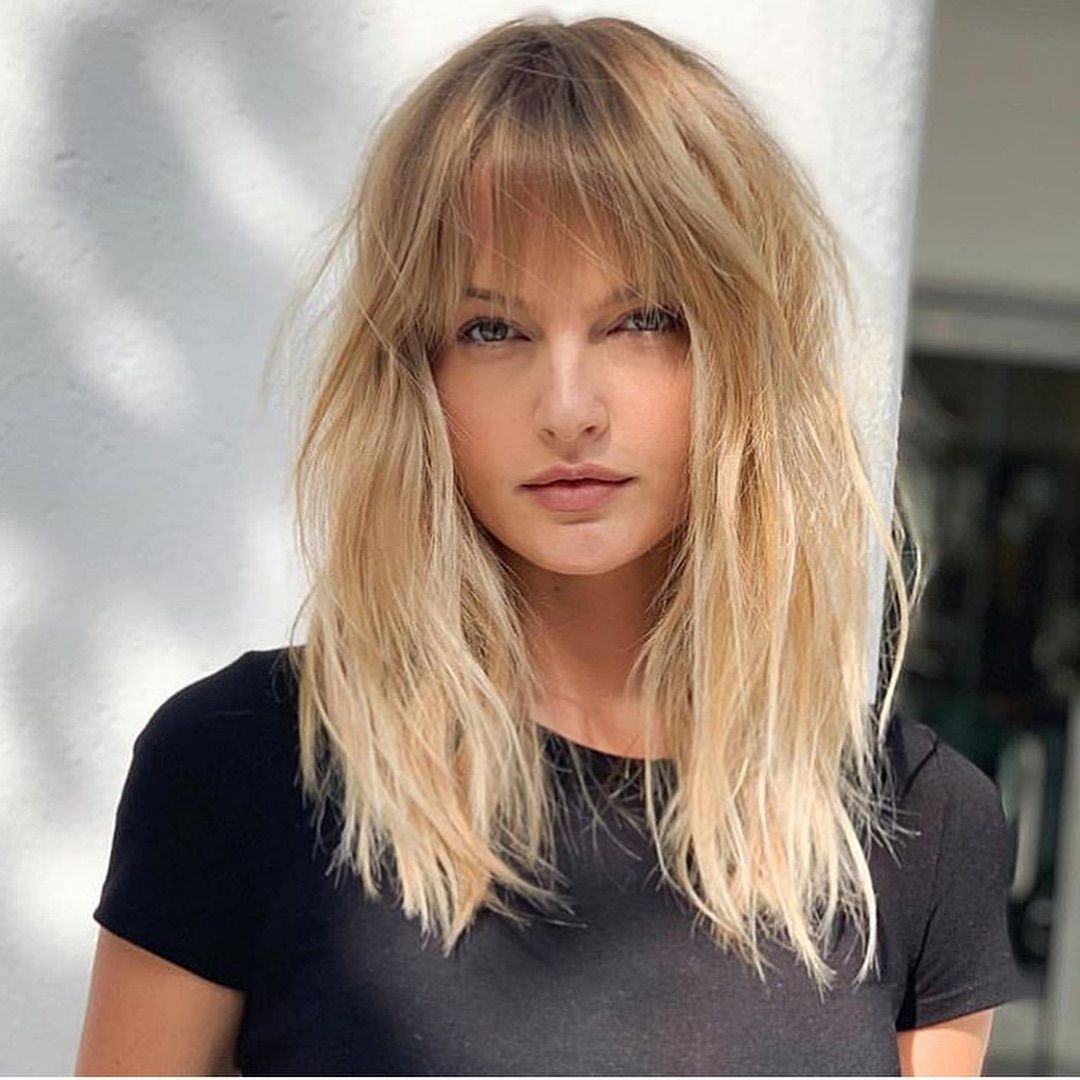
How to Make Bangs Grow Faster: Step-by-Step Guide (2026)
Want to know how to make bangs grow faster? Here’s the honest truth: hair grows about 1.25 cm per month on average, and no product or trick can make your body grow hair faster than its natural rate. What you can do is protect every millimetre of growth so none of it breaks off — which makes bangs appear to grow faster — and look after your scalp so each hair reaches its full potential length.
So if your fringe feels stuck, the goal isn’t magic growth speed — it’s keeping your existing growth healthy while it catches up with the rest of your hair. This guide covers the realistic timeline, the scalp care and trimming habits that protect growth, and the styling tricks that make the awkward growing-out phase easy to live with.
How Fast Bangs Actually Grow (Realistic Timeline)
The average person grows around 15 cm of hair per year, which works out at roughly 1.25 cm per month. Bangs are usually 5 to 8 cm long, and to blend them into hair that reaches past your chin takes around 2 to 4 months of patient growing.
Growth rate varies a little by age, genetics, and season, but there’s no shortcut that doubles it. Anyone selling you one is selling you marketing. Focus instead on stopping breakage — split ends and heat damage can snap off ends almost as fast as they grow, making it look like nothing is happening.
Step-by-Step: Protect Growth and Support Healthy Hair
- Trim split ends regularly. It sounds backwards, but a tiny trim every 6 to 8 weeks stops splits travelling up the hair shaft, which prevents breakage. Clean ends grow out smoothly; ragged ends snap. Ask your hairdresser for a “dusting” — just the very tips.
- Look after your scalp. Healthy hair grows from a healthy scalp. Massage your scalp gently for a few minutes a few times a week — it feels good and encourages blood flow. Keep the scalp clean: product build-up can clog follicles and slow healthy growth.
- Eat enough protein and iron. Hair is mostly protein, so your diet matters. The NHS advises a balanced diet with enough protein, iron, zinc, and vitamins — especially vitamin D and B vitamins — to support normal hair health. Eggs, fish, beans, lentils, leafy greens, and nuts are all great everyday choices. See our guide to oiling hair for extra nourishment.
- Cut back on heat styling. Daily straightening or curling of your fringe fries the shortest hairs — exactly the ones you’re trying to grow. Let bangs air-dry when you can, and always use a heat protectant when you don’t.
- Be gentle when brushing. Bangs are delicate. Use a soft brush or a wide-tooth comb, start from the ends, and don’t yank through tangles. Rough handling snaps fine fringe hair easily.
- Sleep on a silk or satin pillowcase. Cotton creates friction that roughs up the hair cuticle overnight. Silk lets hair glide, reducing breakage and morning frizz — a small change that protects growing-out bangs.
- Skip tight styles on the fringe. Yanking bangs into tight clips or ponytails day after day puts stress on the roots and can cause breakage or even traction damage over time. Keep styles loose.
Styling Tricks While Your Bangs Grow Out
The awkward phase is real, but it doesn’t have to look it. Try these:
- Side-sweep them. A deep side part sweeps growing bangs into the rest of your hair and looks intentional at every length.
- Clip them back. A couple of bobby pins or a small claw clip turns growing bangs into a deliberate style. For more ideas, see how to style bangs.
- Use headbands and scarves. A wide headband or a silk scarf hides the fringe entirely on bad-hair days.
- Braid them in. A small French or Dutch braid along the hairline pulls growing bangs back neatly and looks polished.
- Twist and pin. Twist sections of fringe away from your face and pin them — quick, easy, and tidy.
- Add texture. A little dry shampoo or texturising spray helps growing bangs blend with the rest of your hair instead of lying flat and separate.
If you’re growing bangs out to thicken up your overall look, you might also like how to make your hair grow thicker.
Tips
- Take a photo of your bangs on day one and again each month — progress is hard to see day to day, but photos prove it’s working.
- Resist the urge to trim the front yourself between haircuts; home trims often restart the whole process.
- If your hair is shedding a lot or growth seems stalled, see your GP — hair loss can be linked to iron deficiency, thyroid issues, or stress, and it’s worth ruling those out.
- Stay hydrated and get enough sleep. General health shows up in your hair more than any single product does.
- Be wary of “miracle growth” oils and serums — gentle scalp care and good habits do more than expensive bottles.
FAQs
Can you actually make bangs grow faster?
Not really — growth rate is set by your genetics and health, averaging about 1.25 cm a month. What you can do is stop breakage so you keep every bit of new growth, which makes bangs look like they’re growing faster.
How long does it take to grow out bangs?
Expect 2 to 4 months to grow bangs long enough to blend into shoulder-length hair, depending on how short they started and how well you avoid breakage. Growing them to chin length or beyond takes longer.
Should I trim my bangs while growing them out?
Don’t trim the front length itself, but do get tiny dustings of split ends every 6 to 8 weeks. This keeps the ends clean so they don’t snap, without restarting the growing-out process.
Does scalp massage help hair grow?
There’s some evidence that regular scalp massage can improve hair thickness by boosting blood flow, but it won’t dramatically speed up growth. It’s a pleasant, free habit that’s worth doing anyway.
What should I eat for healthy hair growth?
A balanced diet with plenty of protein (eggs, fish, beans), iron (red meat, lentils, spinach), and vitamins — especially B vitamins and vitamin D — supports normal hair growth, as advised by the NHS. Extreme crash diets can trigger shedding, so eat enough.
Growing out bangs is a waiting game, but it’s one you can win with patience and good habits: protect the ends, feed your hair from the inside, and style through the awkward phase with side sweeps, braids, and headbands. In a few months, you won’t remember the struggle.