
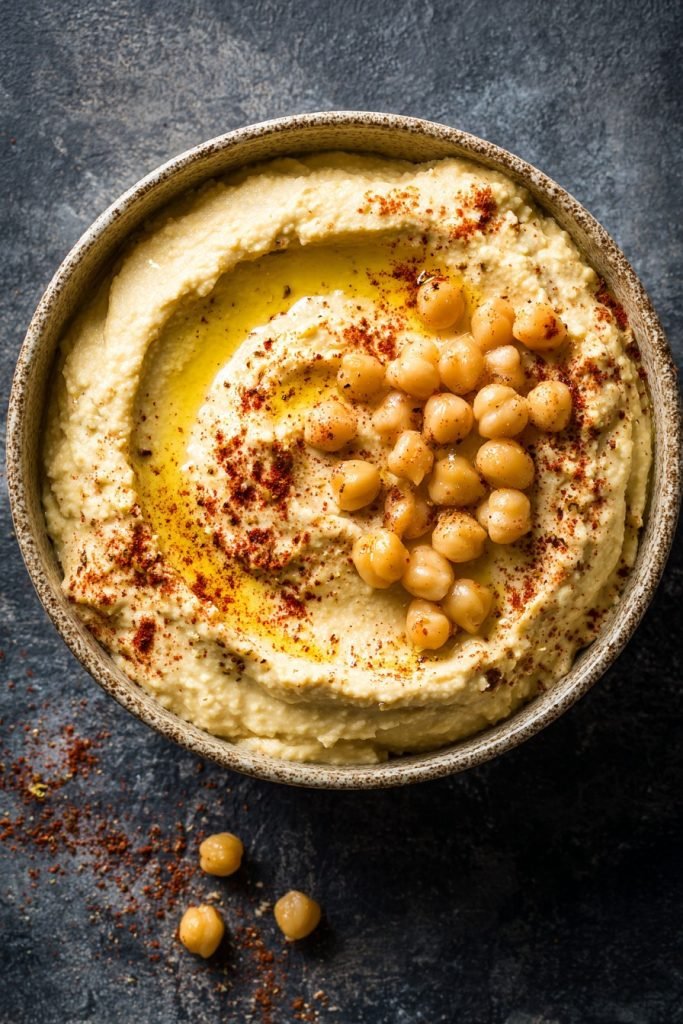
How Long does Hummus Keep in Refrigerator? Complete Answer
Homemade hummus keeps for 4 to 5 days in the refrigerator, while shop-bought hummus lasts 7 to 10 days after opening (always check the use-by date on the tub). Unopened shop-bought hummus is fine until its printed date. The key rules: keep it refrigerated at all times, use clean utensils (no double-dipping), and throw it away if it smells sour, tastes fizzy, or has mould. Read on for storage tips, how to tell when hummus has gone off, and whether you can freeze it.
How Long Does Hummus Last? At a Glance
| Type | Unopened (fridge) | Opened (fridge) |
|---|---|---|
| Shop-bought hummus | Until use-by date (often 2–4 weeks) | 7–10 days |
| Homemade hummus | — | 4–5 days |
| Hummus (frozen) | Up to 4 months (any type) | |
Homemade hummus has a shorter life because it contains no preservatives — shop-bought tubs include ingredients like citric acid that slow spoilage. If your homemade recipe includes lots of fresh lemon juice and garlic, that helps slightly, but the 4–5 day rule still applies.
Why Refrigeration Matters
Hummus is a low-acid, high-moisture food — exactly the conditions bacteria love. At room temperature, harmful bacteria can multiply quickly. The NHS advises refrigerating perishable foods promptly and not leaving them out for more than a couple of hours.
Practical rules:
- Get it in the fridge fast. Don’t leave hummus on the counter after serving — 2 hours at room temperature is the maximum (1 hour on a hot day).
- Keep it at the back of the fridge where it’s coldest, not in the door where temperatures fluctuate.
- Seal it well. Press cling film onto the surface or use an airtight container. A thin layer of olive oil on top also helps seal out air.
- Use clean spoons. Double-dipping introduces bacteria from your mouth that speed up spoilage dramatically. Serve a portion into a separate bowl for dipping.
How to Tell If Hummus Has Gone Bad
Trust your senses — off hummus gives clear warning signs:
- Smell: Fresh hummus smells nutty and lemony. If it smells sour, fermented, or “off” in a way you can’t quite place, bin it.
- Taste: A tiny taste test — if it’s fizzy, sharp, or sour beyond the normal lemon tang, it’s gone.
- Appearance: Mould (any colour — white, green, black spots), significant darkening, or a watery separated layer that won’t stir back in.
- Texture: Slimy or unusually thick/gloopy texture is a bad sign.
When in doubt, throw it out. Hummus is cheap — food poisoning isn’t worth the risk. This is especially important for pregnant women, young children, and anyone with a weakened immune system, who should be extra cautious with chilled dips past their prime.
Can You Freeze Hummus?
Yes — hummus freezes well for up to 4 months. It’s a great way to save a big homemade batch.
How to freeze it:
- Portion into freezer-safe containers or bags (freeze in the amounts you’ll actually use).
- Leave a little headspace — hummus expands slightly when frozen.
- Drizzle a thin layer of olive oil on top to prevent freezer burn and drying.
- Label with the date.
How to defrost: Move to the fridge overnight — never defrost at room temperature. Once thawed, stir well (it may look a bit grainy — a drizzle of olive oil and a good stir restores the texture). Use within 2–3 days of defrosting, and don’t refreeze.
One note: hummus topped with whole chickpeas or pine nuts freezes less well (the toppings go soggy). Freeze the plain hummus and add toppings fresh after defrosting.
Tips to Make Hummus Last Longer
- Make smaller batches of homemade hummus so you finish it within 4–5 days.
- Add extra lemon juice — acidity slightly inhibits bacterial growth (but doesn’t make it last indefinitely).
- Keep the tub sealed between servings rather than leaving it open on the table.
- Don’t mix old and new. When you make a fresh batch, use a clean container — don’t top up the old tub.
- Buy smaller tubs if you live alone or don’t eat hummus often. The big sharing tubs from Tesco or Costco are only good value if you finish them in time.
What About Other Dips?
Similar rules apply to most chilled fresh dips: taramasalata, tzatziki, and guacamole all last 3–5 days once opened (guacamole browns faster due to oxidation — press cling film directly onto its surface). Shop-bought salsa in jars lasts longer thanks to higher acidity. When in doubt, check the label and use the sniff test.
Frequently Asked Questions
Can you eat hummus after the use-by date?
Unlike “best before” dates (about quality), “use-by” dates are about safety — don’t eat hummus past its use-by date, even if it looks and smells fine. For opened tubs without a new date, follow the 7–10 day rule from opening.
Why does my hummus taste fizzy?
Fizziness means fermentation has started — bacteria are producing gas. It’s a clear sign the hummus has gone off. Don’t eat it.
Can I leave hummus out overnight?
No. Hummus left at room temperature overnight (8+ hours) should be thrown away. Bacteria multiply rapidly between 8°C and 63°C — the “danger zone” for food. Even if it looks fine, it’s not safe.
Does hummus need to be refrigerated before opening?
Shop-bought hummus from the chilled aisle must stay refrigerated even before opening. (Shelf-stable hummus in jars exists but is rare in the UK.) Once opened, refrigerate immediately after serving.
How can you tell if homemade hummus is still good?
If it’s within 4–5 days, stored in the fridge in a sealed container, and smells and tastes normal — it’s fine. Any sour smell, mould, or fizziness means it’s done. Label your container with the date you made it so you don’t have to guess.
Final Thoughts
Hummus is a fridge staple, but it’s more perishable than many people realise: 4–5 days for homemade, 7–10 days for opened shop-bought. Keep it cold, keep it sealed, use clean utensils, and trust your nose. And if you regularly find yourself throwing away half a tub, switch to smaller pots or freeze portions — your wallet and the planet will thank you.