
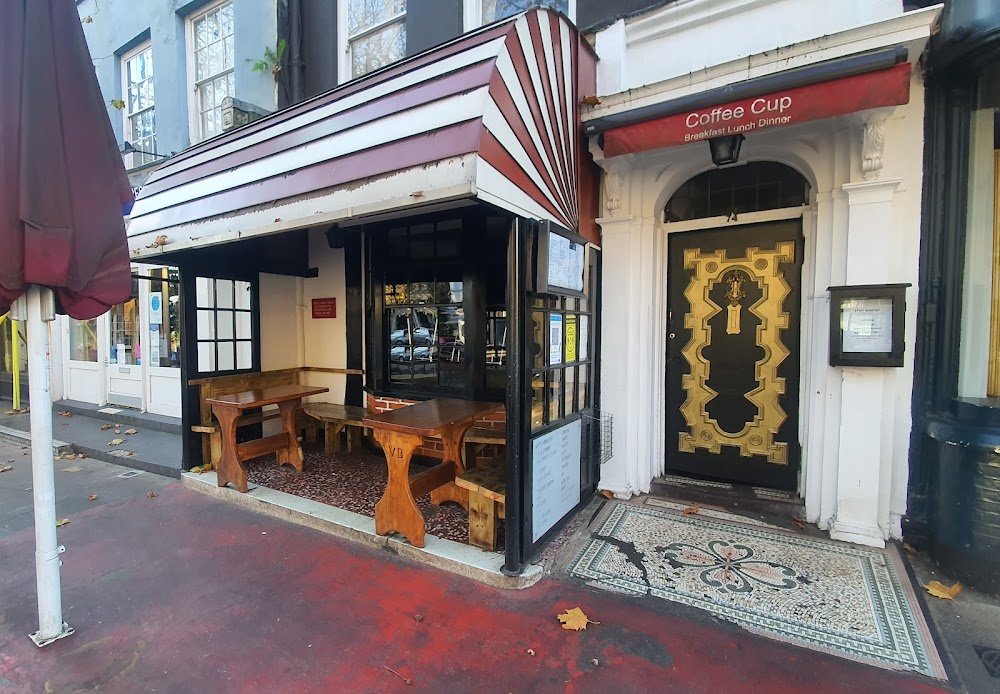
How Much Does a Coffee Cost on Average in London? (2026)
London runs on coffee — and Londoners pay handsomely for it. But how much does a coffee cost on average in London in 2026? Whether you’re budgeting a move, auditing your spending, or just curious why your bank statement has so many £4.20 transactions, here’s the full picture.
Average coffee prices in London (2026)
- Flat white / latte (regular): £3.80-£4.50 at chains, £4.00-£5.00 at independents
- Cappuccino: £3.60-£4.40
- Americano / filter: £3.00-£3.80 (the budget option)
- Espresso: £2.50-£3.20
- Speciality drinks (oat latte, flavoured, iced): £4.50-£5.50+
- Central London premium: add 50p-£1 in Zone 1, especially the City and West End
The honest average for a regular milk-based coffee: about £4.20. That number should make you sit up, because of what it means annually.
The £1,000-a-year habit
One £4.20 coffee every workday: £21 a week, ~£90 a month, £1,092 a year. Two a day? Over £2,000. I’m not saying never buy coffee — the ritual, the break, the café as a third space all have value. But it’s worth knowing the number, because most people dramatically underestimate it. It’s the single biggest “invisible” spending line for many Londoners, bigger than their energy bill increase, hiding in plain sight as contactless taps.
Chains vs independents
- Chains (Costa, Starbucks, Caffè Nero, Pret): £3.50-£4.50 for a latte. Consistent, loyalty apps with free drinks, but rarely exceptional coffee. Pret’s subscription (£30/month for 5 drinks a day) is genuinely good value if you’re a heavy drinker — it pays for itself in about 8 visits.
- Independents: £4.00-£5.00+. Better coffee on average, nicer atmosphere, but you’re paying for it. The £5+ flat white is increasingly normal in Shoreditch, Soho and the City.
- Supermarket cafés and bakeries: £2.50-£3.50. The unsung heroes — often perfectly decent, sometimes excellent.
- McDonald’s: ~£2 for a latte. Not speciality grade, but the value is undeniable.
How to spend less (without giving it up)
- Make it at home. A home flat white costs 40-70p in beans and milk. The maths is brutal — see how to make barista-style coffee without a machine if you think you need expensive kit (you don’t).
- Subscriptions: Pret’s coffee subscription or independent café loyalty cards slash the per-cup cost if you’re a regular.
- Downsize or simplify: an americano instead of an oat latte saves £1-£1.50 a cup — £300+ a year.
- Bring a reusable cup: most places offer 25-50p off. It adds up: 50p × 250 workdays = £125 a year.
- Set a “bought coffee” budget: e.g. 2-3 bought coffees a week, homemade the rest. You keep the ritual, lose most of the cost.
- Office coffee: if your workplace has decent coffee, use it. If it doesn’t, a stovetop pot at your desk costs pennies.
Why London is so expensive
It’s mostly rent and wages, not the beans. A café in Soho pays many times the rent of one in Sheffield, and London barista wages reflect London living costs. The coffee itself — beans, milk, cup — costs under £1. You’re paying for the location, the labour, and the business rates. Which is fair enough, but it means the “London premium” is structural, not a rip-off — and it’s also why making it at home saves so disproportionately much here.
If you’re tracking household costs more broadly, the same audit mindset helps in the kitchen — for instance, understanding the difference between baking soda and baking powder stops you ruining bakes and wasting ingredients, which is money too.
How much does a coffee cost on average in London vs the rest of the UK?
London’s £4.20 average looks steep until you see the national picture — and then it looks steeper. Manchester, Birmingham, Leeds: £3.20-£3.80 for a flat white at an independent; chains £2.90-£3.40. Edinburgh: £3.50-£4.20 — closer to London, reflecting similar tourism and rent pressures. Smaller towns: £2.80-£3.40 independents, with supermarket cafés as low as £2.20. The London premium is roughly 25-40% over major regional cities — almost entirely rent, wages and business rates, not better beans.
What does that mean in practice? A daily flat white habit costs ~£1,090 a year in London versus ~£800 in Manchester — a £290 “capital surcharge” for the identical drink. Over a working lifetime, that’s tens of thousands of pounds of rent-driven coffee inflation. It’s also why the home-brewing maths is even more compelling in London: the saving per cup (£3.50+) is bigger here than anywhere else in the country.
International context is interesting too: London coffee prices now rival New York and Sydney, and exceed most of Europe (a cappuccino in Milan is still €1.50-€2 at the bar — a different culture entirely, but a sobering comparison). The UK’s coffee shop boom has been wonderful for quality and choice, but the prices reflect a market where £4+ is normalised. Whether that continues depends on how much further consumers will stretch — and the growth of home brewing and subscriptions suggests many are already pushing back.
For the official data on how food and drink prices are moving nationally, the ONS inflation and price indices track the category — useful context when your regular café puts its prices up again and you want to know whether it’s them or the economy.
Track your own “flat white index”
Here’s a one-week experiment: note every bought coffee — where, what, how much, and (honestly) how much you enjoyed it out of 10. Most people discover two things: they spend 30-50% more than they estimated, and the enjoyment scores cluster — the Friday café coffee scores 9, the Tuesday desk coffee scores 4. The data makes the decision for you: keep the 9s, replace the 4s with homemade. It’s the least preachy form of budgeting — you’re not denying yourself, just reallocating from low-joy spending to high-joy spending. Run the experiment; the results are always illuminating.
The takeaway
Budget £4-£4.50 for a typical London coffee in 2026 — £4.20 is a fair average. A daily habit costs over £1,000 a year. You don’t have to quit; just go in with open eyes, use subscriptions and reusable-cup discounts, and make the weekday ones at home. Your bank balance will notice before your palate does.