
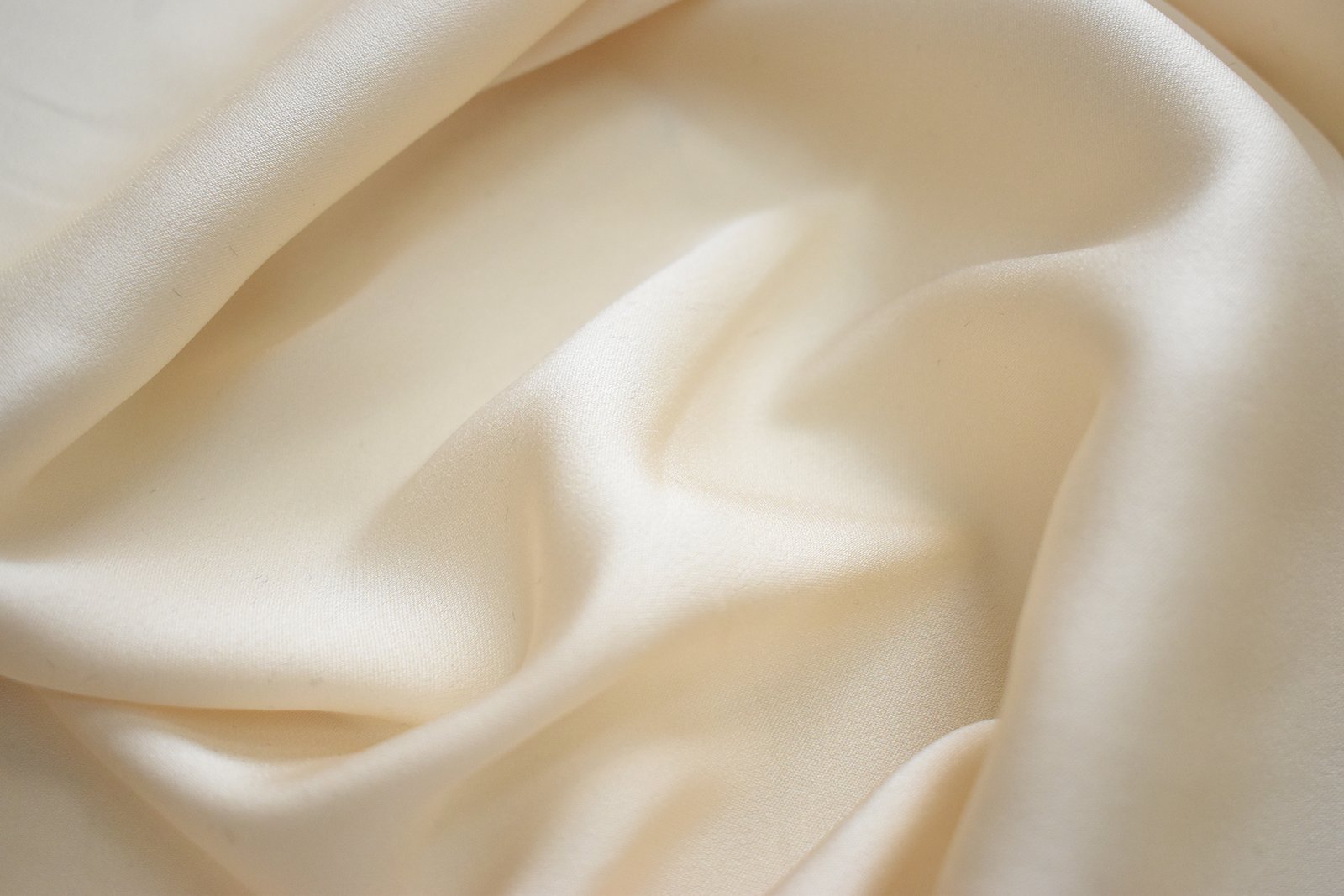
How to Care for Vintage Silk and Delicate Fabrics: Step-by-Step Guide (2026)
To care for vintage silk and delicate fabrics, hand wash gently in cool water with a pH-neutral detergent, never wring or twist, and store wrapped in acid-free tissue away from light and damp. Vintage silk is thinner and more fragile than modern fabric, so gentle handling matters more than any special product. Follow the steps below and your charity-shop finds will stay beautiful for years.
How to Care for Vintage Silk and Delicate Fabrics
Vintage silk, from 1950s scarves to heirloom blouses, needs a softer touch than everyday clothes. Years of wear, old repairs, and weaker fibres mean that rough washing or harsh chemicals can tear or fade a piece in one go. The good news is that looking after delicate fabrics is simple once you know the rules.
Step 1: Check Before You Wash
Before any water touches the fabric, give the piece a careful look. Check for stains, loose seams, fraying edges, and areas worn thin. Hold it up to the light to spot weak spots you might miss at a glance.
Look at the care label if there is one, though many vintage pieces have lost theirs. If the silk has beading, embroidery, or a glued lining, do not wash it at home at all. Take it to a dry cleaner who handles vintage garments. For plain silk scarves, blouses, and dresses, hand washing is usually safe.
Step 2: Spot Test for Colour Fastness
Dampen a hidden corner of the fabric, such as an inside seam, and press it with a white cloth. If colour transfers to the cloth, the dye is not stable and the piece needs professional cleaning. This two-minute test can save a favourite scarf from turning pink in the wash water.
Step 3: Hand Wash in Cool Water
Fill a clean basin with cool water, never hot. Hot water weakens silk fibres and can set stains. Add a small amount of pH-neutral detergent made for delicates, such as a silk and wool wash. The V&A Museum’s guide to caring for textiles recommends gentle, minimal handling for historic fabrics. Brands sold in John Lewis, Marks & Spencer, and most supermarkets work well. Never use ordinary washing powder or bleach, both are far too harsh for vintage silk.
Submerge the garment and gently move it through the water for two to three minutes. Do not rub, scrub, or twist. If there are stains, let the piece soak for up to 15 minutes, but no longer. Soaking silk for hours can damage the fibres.
Step 4: Rinse Carefully
Drain the soapy water and refill the basin with clean cool water. Rinse the garment gently until the water runs clear and no soap remains. You may need two changes of water.
A final rinse with a splash of white vinegar, about a tablespoon per basin, can help remove soap residue and keep silk soft. This is an old tailor’s trick and it works well on vintage pieces.
Step 5: Dry Without Wringing
This is where most silk gets ruined. Never wring or twist vintage silk. Instead, lift the garment from the water and lay it flat on a clean white towel. Roll the towel up gently so the water is pressed out into the towel, then unroll.
Reshape the garment and lay it flat on a dry towel or a mesh drying rack to finish drying. Keep it out of direct sunlight and away from radiators, as heat and UV light weaken silk fibres and fade colours. Never tumble dry delicate fabrics.
Storing Vintage Silk and Delicate Fabrics
How you store delicate pieces matters as much as how you wash them. Fold silk items between sheets of acid-free tissue paper, which stops creases from setting and protects the fabric from yellowing. Acid-free tissue is sold cheaply at craft shops and stationers across the UK.
Store garments in a cool, dry drawer or box, away from direct light. Never store silk in plastic bags or vacuum bags, as trapped moisture can cause mildew and musty smells. Cedar blocks or lavender sachets help keep moths away without the smell of mothballs. Refold stored pieces every few months so creases do not become permanent.
For very fragile heirlooms, a breathable cotton garment bag is better than a wooden drawer, as old wood can be acidic. The In The Wash’s guide to silk care has more practical advice on looking after special garments.
Ironing Delicate Fabrics Safely
Silk creases, and sometimes ironing is needed. Always use the coolest silk setting on the iron and iron on the reverse side of the fabric. Place a thin cotton cloth between the iron and the silk for extra protection, especially on vintage pieces.
Never use steam directly on vintage silk, as water spots can mark it. If the fabric needs a little moisture, lightly mist the pressing cloth, not the silk itself. When in doubt, skip the iron and hang the garment in a steamy bathroom instead, which relaxes wrinkles gently.
Top Tips
- Always spot test for colour fastness before washing any vintage piece.
- Use cool water and a pH-neutral delicates detergent, never hot water or ordinary washing powder.
- Press water out with a rolled towel instead of wringing or twisting.
- Store folded in acid-free tissue, away from light, damp, and plastic bags.
- Deal with stains quickly. Old stains are far harder to remove from silk than fresh ones.
Common Mistakes to Avoid
- Washing beaded or embroidered vintage pieces at home instead of using a professional cleaner.
- Using bleach or biological detergent on silk, which weakens the fibres.
- Drying silk in direct sunlight or on a radiator.
- Storing delicate fabrics in plastic bags where moisture gets trapped.
Can you put vintage silk in the washing machine?
It is best not to. Even a delicates cycle is rougher than hand washing, and vintage fibres tear easily. If you must use a machine, use a mesh laundry bag on the coldest delicates setting, but hand washing in cool water is always safer for vintage silk.
What detergent should I use for silk?
Use a pH-neutral detergent made for silk and wool, sold in most UK supermarkets and shops like John Lewis. Avoid biological detergents, bleach, and fabric softener, which can all damage silk fibres. A little white vinegar in the rinse water keeps silk soft naturally.
How do I remove stains from vintage silk?
Blot fresh stains gently with a clean damp cloth, never rub. For grease, dab with a little washing-up liquid diluted in cool water before hand washing. Old or set stains on valuable pieces should go to a dry cleaner who specialises in vintage garments, as home treatment can make them worse.
Where can I buy acid-free tissue paper in the UK?
Craft shops, stationers, and online retailers sell acid-free tissue paper for a few pounds. It is the same paper used by museums for textile storage, and it stops silk and other delicate fabrics from yellowing in storage. Look for it in the packaging section of craft stores.
Vintage silk rewards gentle handling. Wash it cool, never wring it, and store it properly, and a charity-shop find can look lovely for decades to come.