
Pet Travel from the UK: Every Document You Need (2026 Checklist)
Pet Travel from the UK: Every Document You Need (2026 Checklist)
Taking a pet abroad from the UK used to mean waving an EU pet passport. Post-Brexit, it’s an Animal Health Certificate and a small pile of paperwork. Here’s exactly what documents you need to travel with a pet from the UK — for dogs, cats and ferrets heading to the EU or Northern Ireland.
The essential checklist
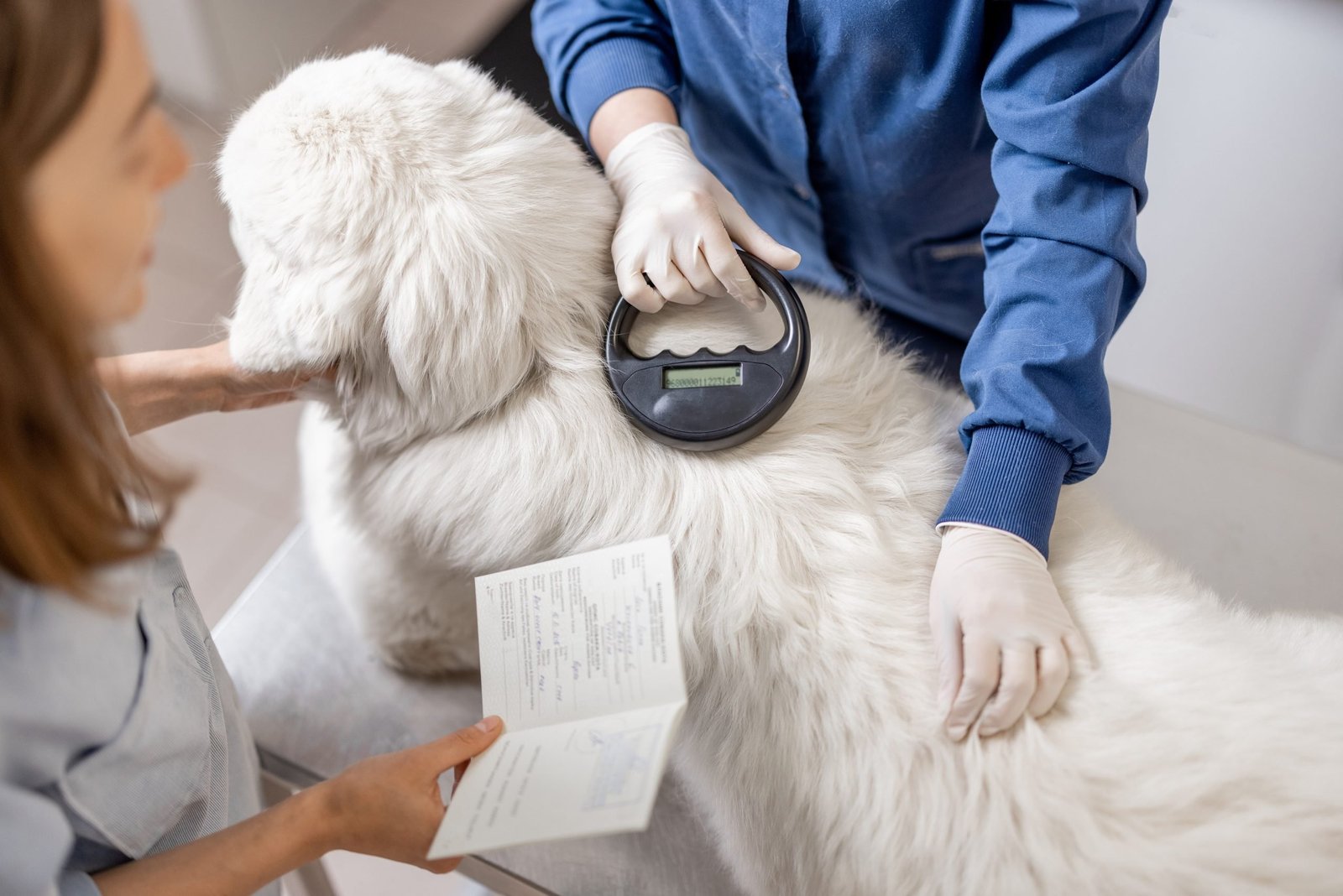
- Microchip — must be implanted before the rabies vaccination, and the number recorded on all documents. If your pet was vaccinated before chipping, the vaccination doesn’t count — it must be redone.
- Rabies vaccination — valid and in date, given at least 21 days before travel (for first vaccinations). Boosters must be given before the previous one expires or the 21-day clock restarts.
- Animal Health Certificate (AHC) — the key document. Issued by an Official Veterinarian (not every vet qualifies — check yours does) no more than 10 days before travel. Valid for 4 months for onward travel within the EU, and for re-entry to the UK.
- Tapeworm treatment (dogs only) — administered by a vet 24–120 hours before arriving back in the UK, recorded in the AHC or a pet passport.
The definitive source is gov.uk’s taking your pet abroad guide — bookmark it and check for updates before every trip.
The Animal Health Certificate in detail
The AHC replaced the pet passport for GB travellers. Key facts:
- Costs £150–£250 typically (London vets often charge most)
- Covers up to 5 pets travelling with you (or your authorised person)
- Valid for 4 months from issue for EU travel and UK re-entry
- Must be issued within 10 days of your departure date
- Only an Official Veterinarian (OV) can sign it — call ahead to confirm
- Each trip needs a new AHC once the old one expires
Book your OV appointment 2–3 weeks before travel. You’ll need to bring your pet, their vaccination records, and your travel details (dates, destination address, route).
What about the old EU pet passport?
Pet passports issued in GB are no longer valid for travel from Great Britain to the EU. However:
- Pet passports issued in the EU (e.g. by a French vet on a previous trip) are still valid — many frequent travellers get one to avoid repeat AHC fees.
- An EU pet passport with a valid rabies entry can replace the AHC entirely on future trips.
- Northern Ireland: the Windsor Framework means pet travel between GB and NI has its own scheme (the NI pet travel document) — check gov.uk for current arrangements.
Travelling with more than 5 pets
Different rules apply — it’s classed as commercial movement and needs an Export Health Certificate instead. If you’re travelling with a large group of animals, contact the Animal and Plant Health Agency (APHA) well in advance.
Banned breeds and country-specific rules
Some EU countries restrict or ban certain breeds (France restricts category 1 and 2 dogs, including pit bull types and Rottweilers without pedigree papers). Check your destination country’s rules — being turned away at Calais with a banned breed is a nightmare scenario. Also check airline rules if flying: most airlines require IATA-approved crates and advance booking, and costs run £200–£500+ per pet.
Returning to the UK
Don’t forget the way home:
- Dogs need the tapeworm treatment 24–120 hours before UK arrival, recorded by a vet.
- You must travel via an approved route and carrier — not all ferry routes accept pets.
- Document checks happen before boarding (Eurotunnel) or at the port.
For the France-specific picture, read our guide on taking your dog on holiday to France.
The bottom line
Microchip → rabies jab (21+ days before) → AHC from an Official Vet (within 10 days of travel) → tapeworm treatment before the return. Get the AHC appointment booked early, keep every document in a folder, and consider getting an EU pet passport on your first trip to skip the AHC faff next time. It’s bureaucratic, but thousands of pets cross the Channel every week without drama.
The vet appointment: what actually happens
Knowing what to expect at the Official Vet appointment removes the stress. Book 2–3 weeks before travel (OVs get busy, especially before school holidays). The appointment takes 30–45 minutes and involves: scanning the microchip (must match all records), verifying the rabies vaccination (date, batch, and that it was given after chipping), a clinical examination, and completing the AHC paperwork — it’s a multi-page document and the vet must fill it meticulously, as errors cause border refusals.
Bring: your pet, all vaccination records, your travel details (departure date, destination address, route/entry point), and your own ID. Cost: £150–£250 typically — call 2–3 OVs for quotes, as prices vary enormously. Some practices charge per pet; the AHC covers up to 5 pets on one certificate, so multi-pet households should confirm they’re not being charged per animal unnecessarily.
After issue, check every detail before leaving: microchip number, dates, your name spelling, destination. A typo can mean refusal at the border — and there’s no fixing it from a ferry queue.
Pet travel document FAQs
How long is the AHC valid? 10 days from issue to enter the EU, then 4 months for onward EU travel and return to the UK. One certificate can cover multiple trips within those 4 months.
Can any vet issue an AHC? No — only an Official Veterinarian (OV) with the relevant authorisation. Call your practice and ask specifically; many vets aren’t OVs.
What if my pet’s microchip can’t be read? The chip must be readable at the border. If it’s migrated or failed, the vet can implant a new one — but any rabies vaccination given before the new chip doesn’t count, and the 21-day clock restarts. Check chips are readable at annual boosters.
Do I need an AHC for Northern Ireland? The Windsor Framework created a separate NI pet travel scheme — check current gov.uk guidance, as it’s simpler than the EU AHC route but has its own documentation.
What about assistance dogs? Same documentary requirements, but carriers and authorities are required to facilitate — contact your carrier in advance for their assistance-dog process.
Related reading
For the France-specific rules, see taking your dog on holiday to France, plus official guidance at GOV.UK’s pet travel pages.