
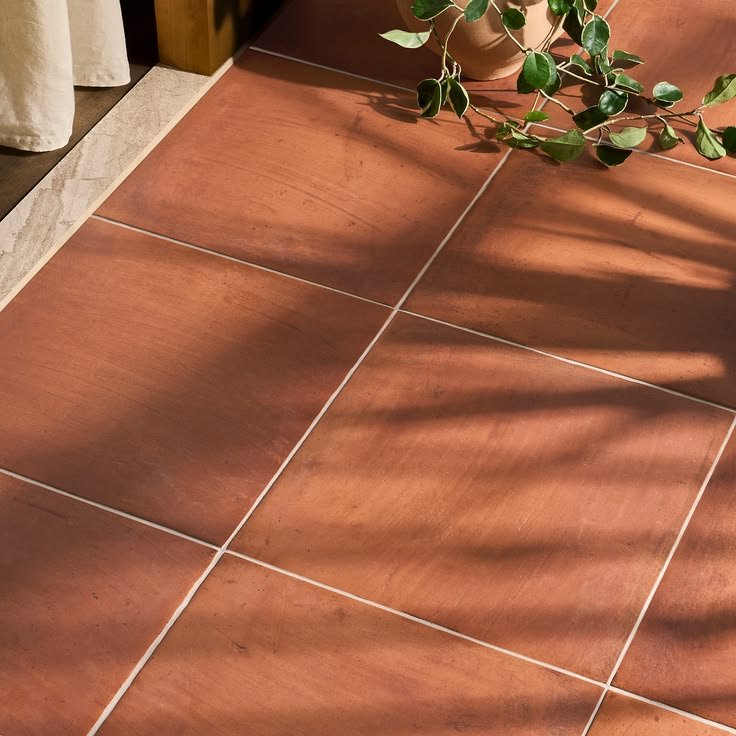
How to Clean Terracotta Tiles: Step-by-Step Guide (2026)
Terracotta tiles look beautiful but they stain easily if you clean them with the wrong products. To clean terracotta tiles, sweep or vacuum first, then mop with warm water and a pH-neutral tile cleaner, changing the water often, and let the floor dry fully. Never use bleach or neat vinegar on terracotta, because both can damage the surface and the sealant.
Terracotta is a porous natural clay tile, which means it soaks up water, dirt and cleaning chemicals if it is not sealed. That is why ordinary floor cleaners can leave it looking dull or patchy. Whether your tiles are on a kitchen floor, a hallway or a conservatory, the method below will get them clean without damaging them, and the sealing advice at the end will keep them looking good for years.
What You Need to Clean Terracotta Tiles
- A soft broom or vacuum cleaner with a hard-floor head
- A pH-neutral tile or stone floor cleaner (look for ones labelled “suitable for terracotta” at Topps Tiles or B&Q)
- A bucket and a well-wrung mop, a sponge mop or microfibre mop is ideal
- Clean dry towels or cloths
- A soft brush or old toothbrush for grout lines
- Terracotta sealer (for the sealing step, around £15–30 depending on the area)
pH-neutral cleaner is the key purchase. Terracotta is sensitive to acids and alkalis, so a neutral cleaner cleans without eating into the tile or its sealant. Lithofin and Fila both make well-regarded stone floor cleaners stocked by UK tile shops.
How to Clean Terracotta Tiles: Step-by-Step
- Sweep or vacuum thoroughly. Remove all loose dust, grit and crumbs. Grit is the enemy of terracotta, it scratches the surface when you mop. Take your time with this step, especially in corners and along skirting boards.
- Mix your cleaner. Fill a bucket with warm (not hot) water and add the pH-neutral cleaner according to the bottle’s instructions. More cleaner does not mean cleaner tiles, it just leaves residue behind.
- Mop in sections with a well-wrung mop. Terracotta hates sitting water, so wring your mop out well. Work in small sections, mopping with the grain of the tiles. Rinse the mop and change the water as soon as it looks dirty, mopping with dirty water just moves the grime around.
- Scrub the grout lines. Use a soft brush or old toothbrush with a little of the cleaning solution to work along the grout. Grout on terracotta floors picks up dirt fast, and a quick scrub makes the whole floor look fresher.
- Do a clean-water rinse pass. Go over the floor once more with a mop wrung out in plain clean water. This removes any cleaner residue, which can attract dirt if left behind.
- Dry the floor properly. Pat or mop up any standing water with dry towels, then let the floor air-dry fully. Do not walk on it in shoes until it is completely dry. Good ventilation or an open window speeds this up.
For a regular maintenance clean, this is all you need. A weekly mop like this keeps terracotta looking its best.
How to Deep Clean Dirty or Stained Terracotta Tiles
If your tiles are dull, stained or have not been cleaned properly in years, a maintenance mop will not be enough. For a deep clean, use a dedicated intensive stone cleaner (an alkaline-based product made for unsealed or sealed stone) diluted as directed, apply it with a mop, leave it to dwell for 5–10 minutes without letting it dry, then scrub with a soft deck brush and rinse thoroughly with clean water. You may need to repeat this on badly soiled areas.
For individual stains, identify the cause. Grease marks respond to a poultice of bicarbonate of soda and water left on the stain for a few hours. White hazy marks are often efflorescence (salts coming through the tile), which can be removed with a specialist efflorescence remover from a tile shop. If large areas are stained or the surface looks damaged, it may be time to strip the old sealant and reseal, which is a bigger job but transforms tired floors.
How to Seal Terracotta Tiles
Sealing is what protects terracotta from stains and water damage. If water soaks straight into your tiles instead of beading on the surface, the sealant has worn off and it is time to reseal.
- Deep clean the floor first and let it dry completely, ideally for 24 hours.
- Choose the right sealer: a penetrating sealer keeps the natural matt look, while a topical sealer adds a slight sheen. Topps Tiles staff can advise on which suits your tiles.
- Apply the sealer with a paint pad or microfibre applicator in thin, even coats, following the product instructions.
- Let it cure fully before walking on it, usually 24 hours.
A good seal lasts a few years on a domestic floor. Reseal when water stops beading on the surface.
Top Tips
- Always use pH-neutral cleaners. Acidic cleaners (vinegar, lemon, limescale removers) and strong alkaline cleaners (bleach) damage terracotta and its sealant. Neutral is the only safe choice for regular cleaning.
- Less water is more. Terracotta is porous, so a damp mop cleans better than a soaking wet one. Wring the mop out well every time.
- Put mats at doorways. Most dirt on a terracotta floor is walked in from outside. A good doormat cuts your cleaning in half.
- Clean spills straight away. Red wine, oil and tomato sauce will stain unsealed terracotta within minutes. Blot spills immediately and mop the spot.
- Test new products in a corner. Always try a cleaner or sealer on a hidden area first to check it does not change the colour or finish.
- Steam mops are risky. The heat and moisture can damage sealant and push dirt into the pores. Stick to a traditional mop for terracotta.
Common Mistakes to Avoid
- Using bleach, which discolours terracotta and breaks down sealant.
- Mopping with neat vinegar or lemon juice, acids etch the surface over time.
- Soaking the floor with too much water, which seeps into the porous tiles.
- Skipping the sealant, unsealed terracotta stains from almost any spill.
- Using abrasive scouring pads or stiff brushes, which scratch the soft clay surface.
FAQs
Can I use vinegar to clean terracotta tiles?
Not regularly. Vinegar is acidic and will etch terracotta and wear away sealant over time. Use a pH-neutral tile cleaner for routine cleaning instead.
How often should I mop terracotta tiles?
A quick sweep a few times a week and a damp mop with pH-neutral cleaner once a week is enough for most homes. Busy kitchens and hallways may need mopping twice a week.
How do I know if my terracotta tiles need resealing?
Sprinkle a few drops of water on the tiles. If the water beads up, the seal is still working. If it soaks in and darkens the tile, it is time to reseal.
Can I use a steam mop on terracotta tiles?
It is not recommended. The combination of heat and moisture can damage the sealant and drive dirt deeper into the porous surface. A well-wrung traditional mop is safer.
Conclusion
Cleaning terracotta tiles is simple once you know the rules: sweep first, mop with a pH-neutral cleaner and minimal water, and keep the sealant topped up. Treat your terracotta gently and it will reward you with decades of warm, characterful flooring.
For more guidance, see Topps Tiles’ guide to cleaning terracotta tiles and Cleanipedia UK’s tile floor cleaning advice.