
How to Reduce Your Energy Bills This Winter: 20 Proven Tips
How to Reduce Your Energy Bills This Winter: 20 Proven Tips
Winter energy bills are the annual gut-punch of British household finances. Even with prices calmer than the 2022 peak, heating a draughty Victorian flat through a London January still costs serious money — and most of us are heating rooms we don’t use, losing warmth through gaps we can’t see, and paying for tariffs we chose years ago. I’ve cut my own winter bills by nearly a third using the tricks below. None of them require a heat pump or a renovation; they’re all things you can do this weekend. This guide covers the most effective ways to reduce your energy bills this winter, from five-minute fixes to bigger investments.
Heating: The Biggest Bill, the Biggest Savings
Heating is typically 60%+ of a winter energy bill, so this is where the money is.
- Turn the thermostat down 1°C. Saves around 10% on heating costs and most people can’t feel the difference. 18–19°C is comfortable for most homes.
- Heat the person, not the house. A £30 heated throw or decent thermal layers let you keep the thermostat lower in the evenings.
- Use thermostatic radiator valves (TRVs). Turn radiators down or off in unused rooms. Heating an empty spare bedroom all winter is pure waste.
- Bleed your radiators. Cold spots at the top mean trapped air; a radiator key costs £2 and bleeding takes five minutes per radiator.
- Don’t block radiators. Sofas pushed against radiators absorb heat that should warm the room. Leave a gap.
- Put the heating on a timer, not all day. Heating an empty flat from 9 to 5 is money out of the window. Time it for when you’re actually home.
Draught-Proofing: The Cheapest Win in the Book
Draughts can waste 15–20% of your heat. Walk around on a windy day with a lit candle (carefully) or just a damp hand near windows, doors, letterboxes and skirting boards.
- Self-adhesive draught strips for windows and doors: £5–£10 per window, fitted in minutes.
- Letterbox brush and keyhole cover: a few pounds, stops the hallway turning into a wind tunnel.
- Chimney balloon for unused fireplaces (£20–£25) — an open chimney is basically a hole in your roof.
- Heavy curtains — or even a £15 thermal curtain liner behind existing curtains. Close them at dusk.
- Draught excluder for the front door — the classic sausage-dog snake works, honestly.
Hot Water and Appliances: The Quiet Drain
- Shorter showers. Cutting a 10-minute shower to 5 saves roughly £70–£90 a year on water heating.
- Wash at 30°C. Modern detergents work fine at 30 degrees, and 90% of a washing machine’s energy goes on heating water.
- Fill the dishwasher, skip the pre-rinse. Half-loads and hand-rinsing waste water and energy.
- Turn things off standby. The “vampire load” of TVs, consoles and chargers costs the average home £50–£60 a year. A switched extension lead makes it one flick.
- Only boil what you need. The kettle is one of the hungriest appliances in the house.
Tariffs, Meters and Free Help
- Check you’re on the cheapest tariff. Use an Ofgem-accredited comparison site. Fixed deals are back and often beat the price cap — but read the exit fees.
- Submit regular meter readings (or get a smart meter) so you’re billed for actual use, not estimates. Estimated winter bills are routinely too high.
- Claim what you’re entitled to. The Warm Home Discount (£150 off electricity for eligible households), Winter Fuel Payment for pensioners, and Cold Weather Payments all exist — check gov.uk’s Warm Home Discount pages to see if you qualify.
- Ask your supplier about hardship funds. Most big suppliers have them, plus free energy-efficiency advice. They’d rather help than chase debt.
For a fuller picture of household budgeting, see how much to save each month on an average UK salary and starting an emergency fund from scratch — winter bills are exactly the kind of shock an emergency fund absorbs.
Bigger Investments to Reduce Energy Bills in Winter
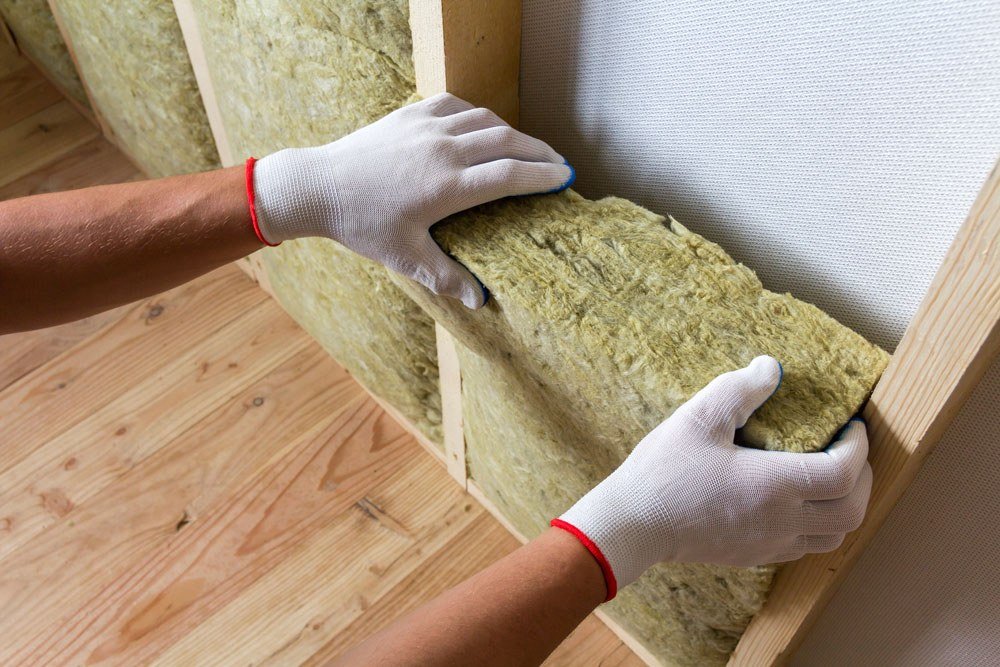
If you own your home (or have a cooperative landlord), loft insulation, cavity wall insulation and double glazing pay back over years, not months — and grants like the Great British Insulation Scheme can cover costs for eligible households. As a renter, your leverage is smaller but real: you can ask your landlord to improve insulation, and since 2020 there have been minimum energy efficiency standards for rentals. Check the minimum standards guidance if your flat is an icebox.
The Renter’s Toolkit: What You Can and Can’t Change
Renters often assume they can’t do anything about energy efficiency — not true. You can: draught-proof (removable strips), bleed radiators, use thermal curtains, add chimney balloons, switch to LED bulbs, use smart plugs to kill standby, and get a smart meter. What needs landlord permission: thermostats (usually granted — it saves them boiler wear), insulation, double glazing, boiler upgrades.
Your leverage: since 2020, rented homes in England must have an EPC rating of E or above (with exemptions) — and the bar is expected to rise. If your flat is rated F or G, the landlord is likely already in breach. Check the EPC register (free on gov.uk) for your address. A polite email — “I noticed the EPC is [X]; are there plans to improve insulation?” — backed by knowledge of the minimum energy efficiency standards, is surprisingly effective. Landlords facing legal minimums would rather draught-proof than re-let to someone who’ll complain to the council.
Behavioural Changes: The Free 15%
Beyond kit and tariffs, habits matter more than people think:
- Layer up indoors. The proverbial jumper is real advice — comfortable at 18°C in a fleece, chilly at 18°C in a T-shirt. Dress for the thermostat setting.
- Close doors. Heating the hallway heats nothing you use. Zone your home with doors.
- Cook strategically. Oven on for dinner anyway? Leave the door open after (safely) to harvest residual heat. Batch-cook on cold days.
- Use the sun. Open curtains on south-facing windows on sunny winter days (free solar gain); close everything at dusk.
- Shower at the gym. Half-joking — but if you have gym membership, hot showers there are genuinely free energy.
- Track it. A £15 plug-in energy monitor or your smart meter display makes usage visible — and what gets measured gets managed. Watching the real-time cost of the tumble dryer changes behaviour fast.
When Bills Become Unaffordable: Getting Help
If you’re genuinely struggling — choosing between heating and eating is still a reality for too many households — help exists beyond the standard discounts:
- Talk to your supplier first. They must work with you: payment plans, breathing space, hardship fund grants (British Gas, EDF, E.ON, Octopus and others all run them).
- Local councils have Household Support Funds for essentials including energy.
- Charities: Turn2Us (grants search), Citizens Advice (energy advice), and the MoneySavingExpert energy help guides.
- Priority Services Register: if you’re elderly, ill, or have young children, register with your supplier and network operator for extra support during outages.
- Never ignore it. Energy debt gets worse, not better, when avoided — and suppliers can’t disconnect you without extensive process. Engagement is always the better path.
The Practical Takeaway
Cutting winter energy bills isn’t about one big fix — it’s about stacking small wins: thermostat down a degree, draughts sealed, radiators bled, showers shortened, tariff checked. Do the lot and a £150/month winter bill can realistically drop toward £100. Start with the free stuff this weekend (thermostat, timers, radiator bleeding), spend £30 on draught-proofing next weekend, and check your tariff the weekend after. Your January self will thank you.