
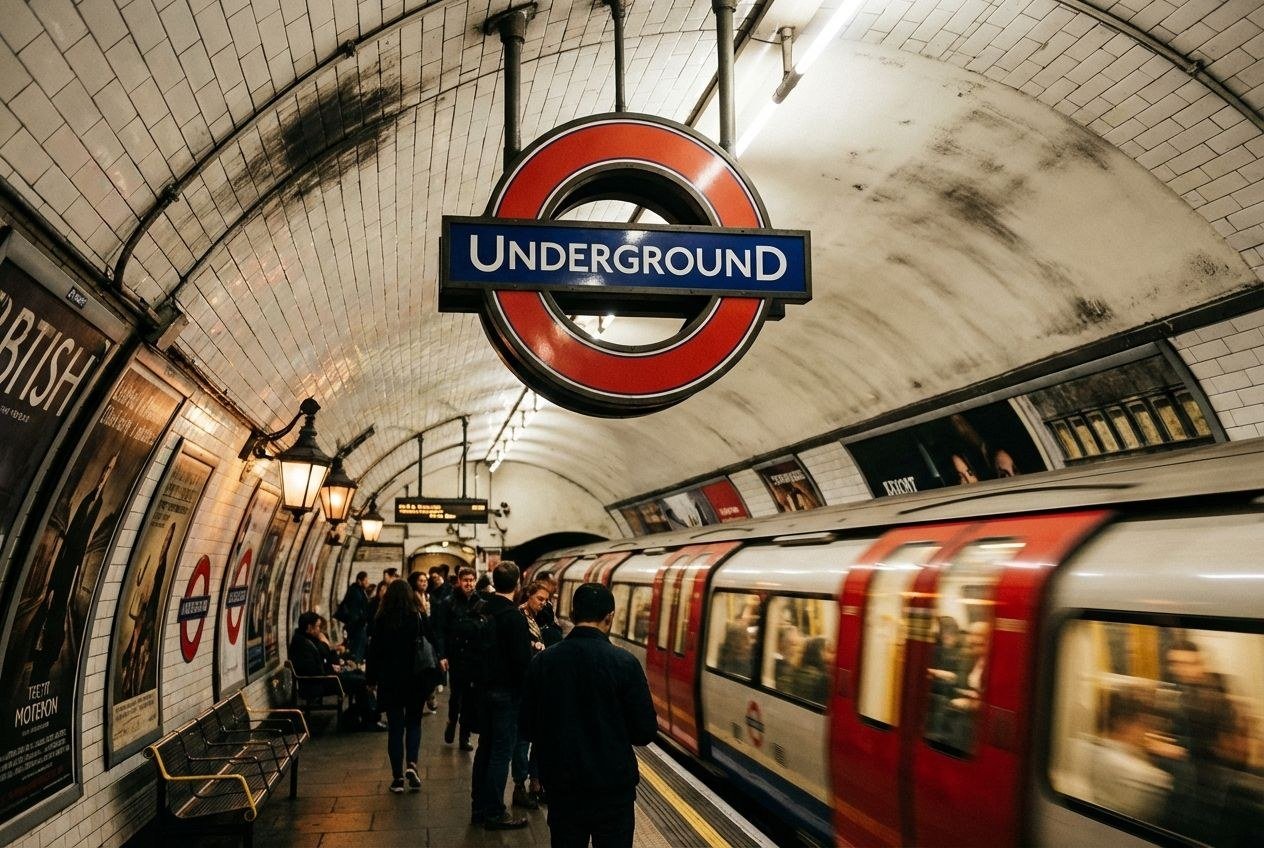
What’s the Cheapest Way to Commute in London? 2026 Guide
What’s the Cheapest Way to Commute in London? 2026 Guide
London commuting can quietly drain £2,000 a year from your bank account — or cost you almost nothing. The difference comes down to a handful of choices most people never question: which mode, which zones, and whether you’re paying for convenience you don’t need. I’ve commuted by Tube, bus, bike and foot over the years, and the cheapest option is rarely the one the journey planner suggests first. Here’s the full breakdown. This guide compares every option to find the cheapest way to commute in London — Tube, bus, bike, and the tricks that cut the cost.
The Cheapest Commute Is Free: Walk or Cycle
Let’s state the obvious: walking costs £0, and cycling costs almost £0 after the upfront outlay. A huge number of London commutes are under 3 miles — genuinely walkable in 40–50 minutes or cyclable in 15. I’ve cycled from Hackney to the City for years and it’s faster than the Tube door-to-door, plus you arrive awake.
The maths on a bike: a decent second-hand hybrid costs £150–£250 on Gumtree or Facebook Marketplace. Even at £2,000-a-year Tube fares, it pays for itself in about a month. Maintenance runs maybe £100 a year. Santander Cycles — the “Boris bikes” — cost £1.65 per 30 minutes, so they’re fine for occasional use but pricey as a daily habit. If your employer offers the Cycle to Work scheme, you can save 25–39% on a new bike through salary sacrifice.
Buses: The Budget Champion of Public Transport
If you need public transport, buses are dramatically cheaper than the Tube. A single bus fare is £1.75, and the Hopper fare means unlimited bus and tram journeys within an hour for that same £1.75. The daily bus cap is £5.25 and the weekly cap is £24.70 — compare that with the zones 1–2 Tube weekly cap of £40.70.
Yes, buses are slower. But here’s my honest take: for journeys under 4 miles, a bus is often only 10–15 minutes slower than the Tube once you factor in station walks, escalators and waiting. I switched a 25-minute Tube commute to a 35-minute bus ride and saved over £800 a year. That trade felt very worth it.
Tube and Train: How to Pay Less
If the Tube or Overground is unavoidable, at least pay the minimum:
- Always use contactless or Oyster — never buy paper single tickets, which cost far more. Contactless automatically applies daily and weekly caps.
- Check your zones. A zones 2–3 Travelcard is much cheaper than zones 1–2. If you can walk one stop to stay outside zone 1, do it.
- Annual season tickets save roughly 12 weeks’ worth versus monthly — worth it if you’re settled and your employer offers a season ticket loan (interest-free, repaid from salary).
- Avoid zone 1 if you can. National Rail, Overground and buses that skirt the centre are cheaper and often quicker.
- Off-peak matters on National Rail — travelling after 9:30am can slash the fare on some routes.
One underused trick: split your journey. A bus to a zone 2 station plus a short Tube hop can undercut a full Tube journey from further out.
Mode-by-Mode Annual Cost Comparison
For a typical zones 2–3 commute, five days a week:
- Walking: £0
- Own bike: ~£100/year (maintenance)
- Bus only: ~£1,180/year (weekly cap £24.70 × 48 weeks)
- Tube zones 1–2 (weekly cap): ~£1,950/year
- Tube zones 1–3 (weekly cap): ~£2,300/year
- Driving: £3,000+ (ULEZ, congestion charge, parking, fuel, insurance) — don’t.
Driving to commute in London is financial self-harm for most people: the congestion charge (£15 a day), ULEZ (£12.50 a day for non-compliant cars), plus parking that can run £20+ a day in central areas. If you’re weighing car ownership at all, read our breakdown of whether to buy a car or use car clubs in London — and what running a car costs per year in the UK.
Working From Home: The Ultimate Commute Hack
Two or three days a week at home cuts commuting costs by 40–60% overnight, and pay-as-you-go contactless means you only pay for the days you travel — no wasted Travelcard days. If hybrid working is on the table, take it. It’s the single biggest commuting saving most Londoners can make.
The Time vs Money Trade-Off: What’s Your Hour Worth?
Every commuting decision is really a question about what your time is worth. A bus commute that’s 15 minutes longer each way than the Tube “costs” you 2.5 hours a week — but saves ~£800 a year. Is 130 hours of your year worth £800? That’s £6.15/hour. If you’d happily do two and a half hours of overtime for £800, the bus is rational. If those 2.5 hours are the difference between seeing your kids before bedtime and not, the Tube is worth every penny.
I think about this differently now than I did at 24. Then, money was tight and time felt infinite — bus all the way. Now, with more demands on my evenings, I’d pay for the faster option without blinking. There’s no universally right answer, only the right answer for your current life. Revisit it yearly; the answer changes as you do.
Season Ticket Loans and Tax-Free Commuting in London
If you’re buying annual season tickets, check whether your employer offers an interest-free season ticket loan — you get the annual ticket’s saving (roughly 12 weeks free versus monthly) and repay from salary over the year. It’s one of the best-kept perks in London employment, and many large employers offer it without advertising it well. Ask HR.
Cyclists should know the Cycle to Work scheme inside out: salary-sacrifice bike purchases saving 25–39% depending on your tax band, with many employers now offering it via user-friendly platforms rather than clunky voucher schemes. Combined with free workplace showers (increasingly common), it’s the highest-value commuting benefit going. Details are on gov.uk’s Cycle to Work guidance, and TfL’s cycling pages cover routes, cycle hire and the growing network of protected lanes.
Future-Proofing: Fares Only Go One Way
Plan on fares rising roughly with inflation each year — they have for decades, with occasional political freezes. What this means practically: if you’re choosing where to live, don’t pick a flat that’s only affordable on today’s fare. Give yourself 10–15% headroom. And if you’re weighing a job offer across London, factor the commute cost into the salary comparison — a £3k pay rise that adds £1.5k in fares and an hour a day is really a lifestyle decision, not a financial one.
The Practical Takeaway
Rank your options: walk or cycle if the distance allows (free), bus if you need public transport (roughly half the Tube price), and Tube only where it genuinely saves meaningful time. Always pay with contactless to get automatic capping, and dodge zone 1 where you can. A commuter switching from a zones 1–3 Travelcard to a bike-plus-bus mix can save £1,500+ a year — that’s a holiday. And if your commute is what’s pushing you to move closer to work, check how much deposit you need to rent a flat in London before you sign anything.