
How Do I Check My Blood Pressure at Home Accurately?
How Do I Check My Blood Pressure at Home Accurately?
Home blood pressure monitoring has quietly become one of the most useful things you can do for your health. It’s cheap (a validated monitor costs £25–£60), takes two minutes, and the readings are often more reliable than the GP’s — because “white coat hypertension” (blood pressure that spikes in clinical settings) affects up to a third of people. My own GP diagnosed my borderline hypertension from home readings after surgery measurements kept coming back high. If “how do I check my blood pressure at home accurately” is the question you’ve been asking, here’s the straight answer — practical, honest, and based on what actually works.
But most people do it wrong: wrong cuff size, wrong arm position, measuring after coffee, taking one reading and panicking. Technique matters enormously — a few common errors can shift readings by 10–20 points. Here’s how to do it right, which monitor to buy, and what your numbers mean.
Choosing the right monitor
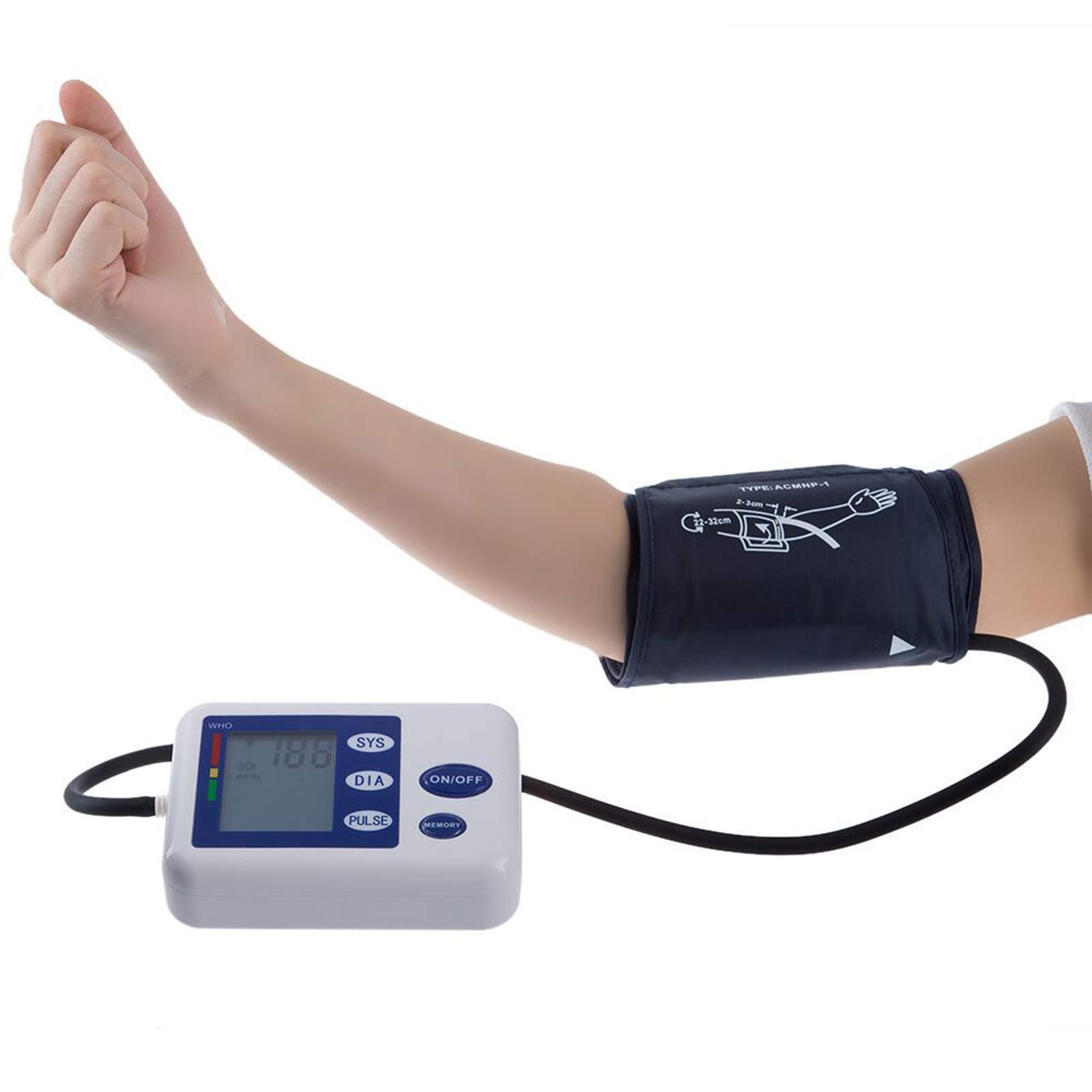
Buy an upper-arm monitor, not a wrist or finger one. Wrist monitors are convenient but significantly less accurate — arm position affects them hugely, and validation studies consistently favour upper-arm devices. Look for validation: the British and Irish Hypertension Society (BIHS) maintains a list of validated monitors; the British Heart Foundation also recommends specific models. Omron’s upper-arm range (£35–£70) is the default recommendation for good reason — validated, reliable, widely available.
Cuff size is critical and the most common error. Measure your mid-upper arm circumference: standard cuffs fit 22–32cm; if your arm is larger, you need a large cuff (32–42cm). A too-small cuff reads falsely high — this single error has led to countless unnecessary worry and even medication. Most monitors sell larger cuffs separately (£10–£15). If you’re between sizes, go larger.
Extra features worth having: irregular heartbeat detection, memory for multiple users, and averaging of multiple readings (some Omron models do this automatically). Bluetooth and apps are nice but unnecessary — a notebook works fine. Avoid the cheapest unbranded monitors; accuracy in blood pressure measurement is literally the point, and validation matters. Which? regularly tests monitors if you want independent comparisons.
The technique: how to measure correctly
This is where accuracy lives or dies. The protocol (from NICE and BIHS guidance): rest for five minutes before measuring — no rushing in from a walk and immediately cuffing up. Sit with your back supported, feet flat on the floor, legs uncrossed. Support your arm on a table so the cuff is at heart level — a dangling arm reads higher. Place the cuff on bare skin (not over a sleeve), with the lower edge about 2–3cm above your elbow crease.
Avoid for 30 minutes before: caffeine, exercise, smoking, and alcohol. Empty your bladder first (a full bladder raises readings). Don’t talk during the measurement. Take two readings, one to two minutes apart, and record both — the second is often lower as you relax. Measure at consistent times: morning (before medication and breakfast) and evening is the standard pattern your GP will want.
- Rest 5 minutes before measuring, seated, back supported
- Feet flat, legs uncrossed, arm supported at heart level
- Cuff on bare skin, correct size, 2–3cm above elbow
- No caffeine, exercise, smoking, or alcohol for 30 minutes prior
- Take 2 readings, 1–2 minutes apart; record both with date and time
- Measure morning and evening for 7 days for a diagnostic average
Understanding your numbers
Blood pressure is recorded as systolic over diastolic (e.g. 120/80). Rough UK guidance: normal is below 120/80; “high-normal” 120–139/80–89; hypertension is 140/90 or above (though home readings use a slightly lower threshold — 135/85 — because home is calmer than clinic). A single high reading means little; blood pressure fluctuates through the day with stress, activity, and hormones.
For diagnosis, NICE recommends ambulatory or home monitoring: measure twice daily for at least four days (ideally seven), discard day one’s readings, and average the rest. A home average of 135/85 or above suggests hypertension. Bring your log to your GP — a week of proper home readings is diagnostically more useful than a single surgery measurement, and most GPs now prefer it.
Don’t panic at isolated spikes — 160/100 after an argument or a strong coffee is physiological, not pathological. What matters is the resting pattern. And low readings (below 90/60) only matter if you have symptoms like dizziness or fainting; many fit people run low naturally. If your readings are consistently high, see your GP rather than adjusting anything yourself — but do keep monitoring, because the data helps them treat you precisely.
When to act on your readings
See your GP routinely if your home average is 135/85 or above, or if individual readings regularly exceed 140/90. Bring your log — dates, times, both readings. Your GP may arrange 24-hour ambulatory monitoring to confirm, check for causes (kidney function, thyroid, medications), and discuss lifestyle measures first for mild hypertension: salt reduction, weight loss, exercise, and alcohol moderation all lower blood pressure meaningfully.
Seek urgent care if: blood pressure exceeds 180/120 with symptoms (chest pain, severe headache, vision changes, difficulty breathing, numbness) — this can indicate hypertensive emergency. Without symptoms, very high isolated readings warrant same-day GP contact but not A&E panic. And if you’re already on blood pressure medication, home monitoring helps your GP titrate doses accurately — never adjust medication based on home readings without medical advice.
One underappreciated benefit: home monitoring improves control. Studies show people who self-monitor achieve better blood pressure control than those who don’t — the feedback loop motivates the lifestyle changes. It’s the cheapest effective health intervention I know. Pair it with regular tracking and the broader picture from periodic blood tests.
Tracking and sharing readings with your GP
A week’s log in a notebook is fine, but a simple spreadsheet or phone note with dates, times, and both readings is easier to share. Many GP surgeries now accept readings via online consultation forms — photograph or transcribe your log rather than summarising from memory. Note anything relevant alongside: “after argument,” “missed medication,” “ill with cold” — context prevents misinterpretation.
Some monitors store readings and compute averages automatically; if yours doesn’t, average the second reading of each session across days 2–7 yourself. Bring the raw numbers, not just your conclusion — GPs trust data they can see. And keep monitoring after any treatment change: it shows whether new medication is working and catches overcorrection early. You’re not being a difficult patient; you’re being a useful one.
How Do I Check My Blood Pressure at Home Accurately: The Short Answer
Use a validated upper-arm monitor with the right cuff size, rest five minutes before measuring, take two readings morning and evening for a week — and bring the log to your GP. Related reading: NHS high blood pressure guidance.