
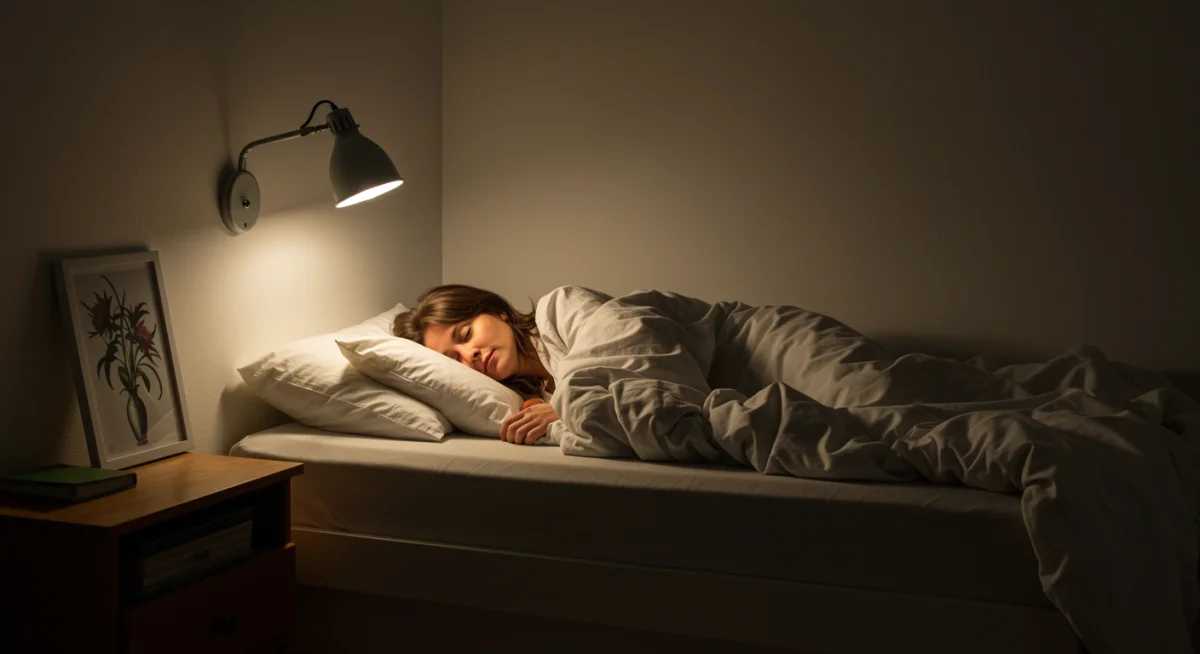
How to Improve Your Sleep Without Medication
If you’ve been wondering how do I improve my sleep without medication, you’re not alone. Lying awake at 3am doing maths about how little sleep you’ll get is a miserable, universal experience. Sleeping tablets work, but they’re a short-term fix with side effects and dependency risks — GPs rightly prescribe them cautiously. The good news: the non-drug approaches to better sleep have genuinely strong evidence behind them, and most cost nothing. Here’s what actually works.
How do I improve my sleep without medication is one of those topics where a little clear information saves a lot of confusion. Let’s break it down properly.
How do I improve my sleep without medication?
Keep a consistent wake time — even at weekends: it’s the single most powerful sleep habit, anchoring your body clock more effectively than any bedtime routine. Get morning daylight within an hour of waking: 10-20 minutes of outdoor light (even cloudy British daylight) sets your circadian rhythm for the night ahead. It’s worth revisiting this point once a year, as rules, prices and best practice all shift. (We’ve also covered how much does an nhs dental check-up cost in 2026 in detail.)
Cut caffeine after midday: caffeine’s half-life is 5-6 hours, so that 3pm coffee is still a quarter-strength at 9pm — switch to decaf or herbal after lunch. Treat this as maintenance, not a one-off project, and it stays painless. You can check the official guidance on the NHS guide to sleep and tiredness for the full details.
Make your bedroom a cave: dark (blackout blinds or an eye mask), cool (around 18°C) and quiet (earplugs if needed) — the three variables that matter most. It’s worth revisiting this point once a year, as rules, prices and best practice all shift.
Making it work in real life
Enough theory — here’s how to handle this in practice. These are the steps I’d actually follow:
- Wind down properly: dim lights and no work emails for the last hour; reading, gentle stretching or a warm bath all signal ‘sleep coming’ to your brain. Official NHS guidance is the benchmark — treat anything contradicting it with scepticism.
- If you can’t sleep after 20-30 minutes, get up: go to another room, do something dull in dim light, and return when sleepy — tossing in bed trains your brain to associate bed with wakefulness. This is one of those areas where an hour of proper attention saves weeks of firefighting.
- Limit alcohol: it sedates you into unconsciousness but fragments sleep architecture — you fall asleep faster and sleep worse, waking unrefreshed. Official NHS guidance is the benchmark — treat anything contradicting it with scepticism.
- For persistent insomnia, CBT-I (cognitive behavioural therapy for insomnia) is the gold-standard treatment — more effective long-term than medication, available via GP referral or the NHS Every Mind Matters programme. This is one of those areas where an hour of proper attention saves weeks of firefighting.
Related reading: our guide to what should I do if I cannot get a gp appointment pairs well with everything above.
Mistakes worth avoiding
A quick word on what not to do — these are the traps I see people fall into most often:
- Relying on symptom-checkers or forums instead of professional advice for anything genuinely worrying.
- Starting or stopping medication or supplements without talking to your GP or pharmacist first.
- Ignoring persistent symptoms because life is busy — early action beats late worry every time.
- Treating official guidance as optional while following influencer advice — always check the source.
What actually matters
In my experience, people hunt for the one weird trick while ignoring the boring fundamentals — and the fundamentals are what work. Consistent wake time, morning light, caffeine curfew, dark cool bedroom. It’s unglamorous and it works better than any supplement. If you’ve done all of that properly for a month and still can’t sleep, that’s when a GP conversation (and possibly CBT-I referral) is the right next step.
The wider point is worth making: how do I improve my sleep without medication is one of those health topics where reliable information genuinely changes outcomes. The official guidance exists for good reasons, and acting on it early beats worrying late. When in doubt, talk to a professional — that’s what they’re there for, and no article replaces that conversation.
For independent further reading, NHS Every Mind Matters is a solid next stop.
Good to know
What’s the single most important thing to know about how do I improve my sleep without medication?
Keep a consistent wake time — even at weekends: it’s the single most powerful sleep habit, anchoring your body clock more effectively than any bedtime routine. Treat this as maintenance, not a one-off project, and it stays painless.
Where should I start?
Get morning daylight within an hour of waking: 10-20 minutes of outdoor light (even cloudy British daylight) sets your circadian rhythm for the night ahead. Begin there and build from a solid foundation rather than trying to do everything at once.
What’s the biggest mistake people make?
Relying on symptom-checkers or forums instead of professional advice for anything genuinely worrying. Avoid that trap and you’re already ahead of most people.
What to do now
Information only helps if you act on it. Here’s a simple checklist to turn what you’ve read about how do I improve my sleep without medication into real action this week. Small steps, taken consistently, are what actually improve health — not dramatic overhauls that fizzle out.
- Take the smallest practical step from this article today — downloading the NHS App, booking that appointment, or starting the simple habit described above.
- Write down any symptoms, questions or concerns before contacting your GP or pharmacist — you’ll get far more from the conversation when you’re prepared.
- Revisit your progress in a month. Health improvements compound quietly, and small consistent steps outperform ambitious plans that collapse by February.
Key takeaway
To improve sleep without medication: fix your wake time, get morning daylight, cut caffeine after midday, make the bedroom dark/cool/quiet, wind down without screens, and get up if you’re awake 20+ minutes. Limit alcohol. For persistent insomnia, CBT-I via your GP beats sleeping tablets long-term. The boring fundamentals outperform every hack. And if this raised more questions, our piece on is laser eye surgery worth it and is it safe is worth a look next.