
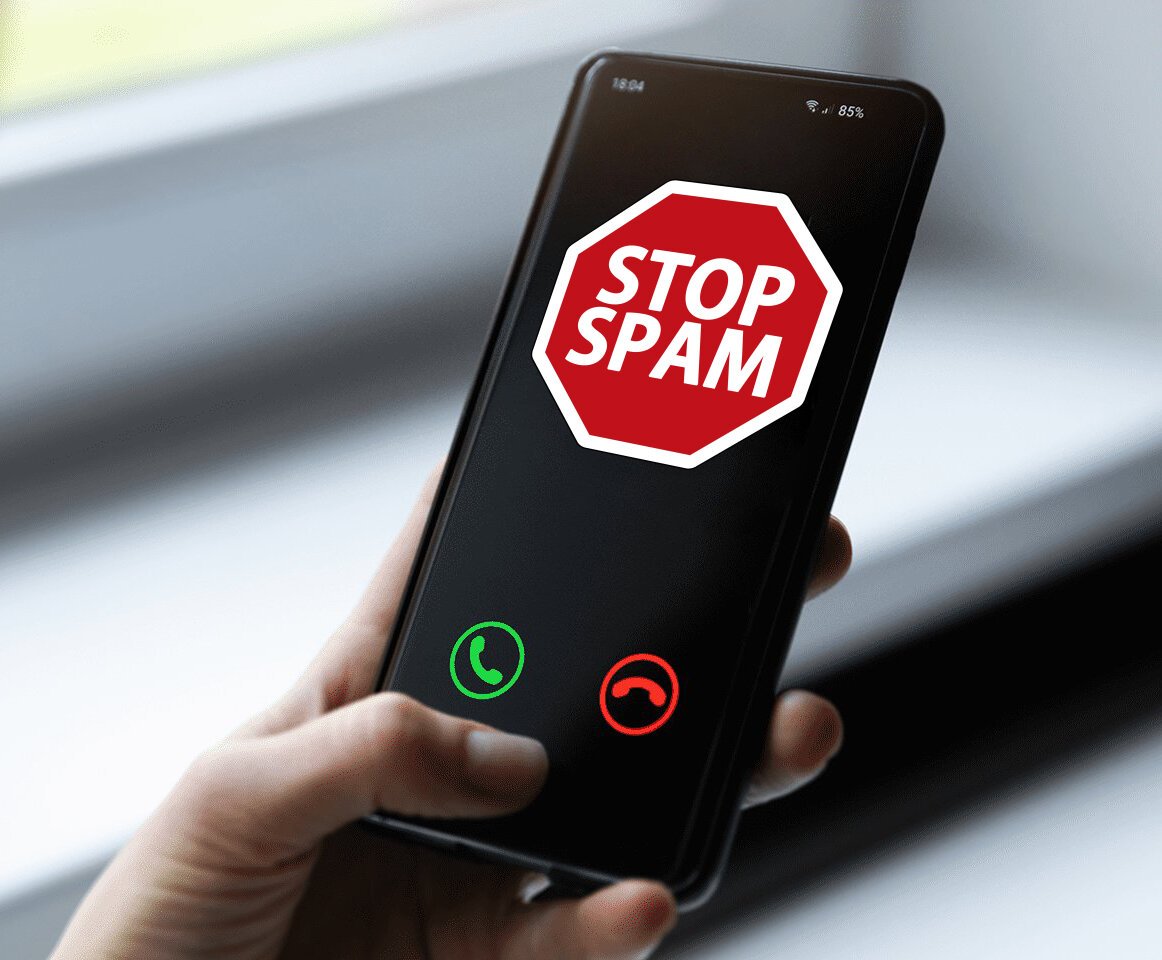
How to Protect Yourself From AI Phone Scams (2026)
If you’ve been wondering how do I protect myself from ai phone scams, you’re not alone. Phone scams have evolved from obvious ‘HMRC lawsuit’ robocalls into something far harder to spot: AI voices that sound human, hold conversations, and adapt to your responses. UK fraud losses keep climbing, and the elderly are disproportionately targeted. But you don’t need to be a tech expert to defend yourself — a handful of habits block the vast majority of these scams.
Here’s the thing: How do I protect myself from ai phone scams is one of those topics where a little clear information saves a lot of confusion. Let’s break it down properly.
How do I protect myself from ai phone scams?
Let unknown numbers go to voicemail: legitimate callers leave messages; scammers relying on live pressure rarely do. This one habit defeats most phone scams. Never trust caller ID: scammers routinely spoof banks, HMRC, the police and even family numbers. The display name proves nothing. Most people skip this step, which is exactly why handling it gives you an edge. (We’ve also covered how can I use ai to organise my photos in detail.)
Banks and HMRC will never ask for your PIN, passwords, or ask you to transfer money to a ‘safe account’ — any caller doing so is a scammer, whatever they sound like. Small effort now, compounding benefit later — that’s the trade on offer. You can check the official guidance on Action Fraud — report fraud and cyber crime for the full details.
Here’s the thing: Use the hang-up-and-call-back rule: end the call, wait five minutes (scammers can keep the line open), then call the organisation on a number from their official website. Most people skip this step, which is exactly why handling it gives you an edge.
How to use it well
Enough theory — here’s how to handle this in practice. These are the steps I’d actually follow:
- Register with the Telephone Preference Service (free) to cut legitimate cold calls, making the scam calls that remain easier to spot. The technology here is moving fast, so what works today may be even better in six months.
- Set up a family code word for emergency calls, and make sure older relatives know it — AI voice cloning makes ‘but it sounded like her’ worthless as verification. Don’t rely on memory for this — write it down somewhere you’ll actually find it.
- Report everything to Action Fraud (0300 123 2040): reporting builds the intelligence picture that gets scam operations shut down. The technology here is moving fast, so what works today may be even better in six months.
- Consider call-blocking: most UK mobile networks offer free spam filtering, and handsets have silence-unknown-caller features that dramatically cut exposure. Don’t rely on memory for this — write it down somewhere you’ll actually find it.
Related reading: our guide to how is ai used in everyday life in 2026 pairs well with everything above.
Common mistakes to avoid
A quick word on what not to do — these are the traps I see people fall into most often:
- Trusting AI output without verification — a confident tone is not the same as being correct.
- Feeding sensitive personal data into free tools without checking the privacy settings first.
- Expecting AI to replace your judgement rather than support it — you stay in charge, always.
- Giving up after one poor result — the second or third attempt is usually dramatically better.
My honest take
My practical take: the single most effective anti-scam device isn’t software, it’s a pause. Every phone scam — AI or otherwise — depends on urgency overriding your judgement. Train yourself and your family on one reflex: any unexpected call involving money or personal details gets ended and verified independently. No exceptions, no matter how convincing the voice. Scammers can’t hack a habit.
The bigger picture matters here too: how do I protect myself from ai phone scams is part of a wider shift in how we all work with intelligent tools. The people thriving aren’t the biggest enthusiasts or the loudest sceptics — they’re the pragmatists who learn what the tools do well, respect their limits, and keep human judgement firmly in charge.
For independent further reading, MoneySavingExpert’s scam guides is a solid next stop.
Quick answers
What’s the single most important thing to know about how do I protect myself from ai phone scams?
Let unknown numbers go to voicemail: legitimate callers leave messages; scammers relying on live pressure rarely do. This one habit defeats most phone scams. Small effort now, compounding benefit later — that’s the trade on offer.
Where should I start?
Never trust caller ID: scammers routinely spoof banks, HMRC, the police and even family numbers. The display name proves nothing. Begin there and build from a solid foundation rather than trying to do everything at once.
What’s the biggest mistake people make?
Trusting AI output without verification — a confident tone is not the same as being correct. Avoid that trap and you’re already ahead of most people.
Putting it into action
Reading about how do I protect myself from ai phone scams is useful — trying it is transformative. Here’s a simple checklist to go from theory to practice this week. None of these steps takes long, and hands-on experience will teach you more than any article can.
- Pick one tool or technique from this article and try it on a real task this week — learning by doing beats reading about AI every single time.
- Check the privacy and data settings on any AI tool you use, particularly around training data use and chat history — it takes two minutes.
- Share what worked with a colleague or friend. Explaining it to someone else cements your own understanding and spreads genuinely useful knowledge.
The bottom line
To protect yourself from AI phone scams: let unknown numbers go to voicemail, never trust caller ID, hang up and call back on official numbers, use a family code word, register with the TPS, and enable your phone’s spam filtering. The core defence is a habit, not tech: pause, verify independently, and never act on urgency from an unexpected caller. And if this raised more questions, our piece on will ai replace customer service jobs in the uk is worth a look next.