
How to Close a Limited Company in the UK: Strike Off vs Liquidation
If you’ve been wondering how do I close a limited company in the uk, you’re not alone. Closing a limited company isn’t as simple as locking the door and walking away — Companies House and HMRC both need proper goodbyes, and getting it wrong can leave you personally liable or facing fines. The right method depends on whether the company can pay its debts and how much value is left inside it. Here’s the full picture, from the £8 DIY strike-off to formal liquidation.
In practice, How do I close a limited company in the uk is one of those topics where a little clear information saves a lot of confusion. Let’s break it down properly.
How do I close a limited company in the uk?
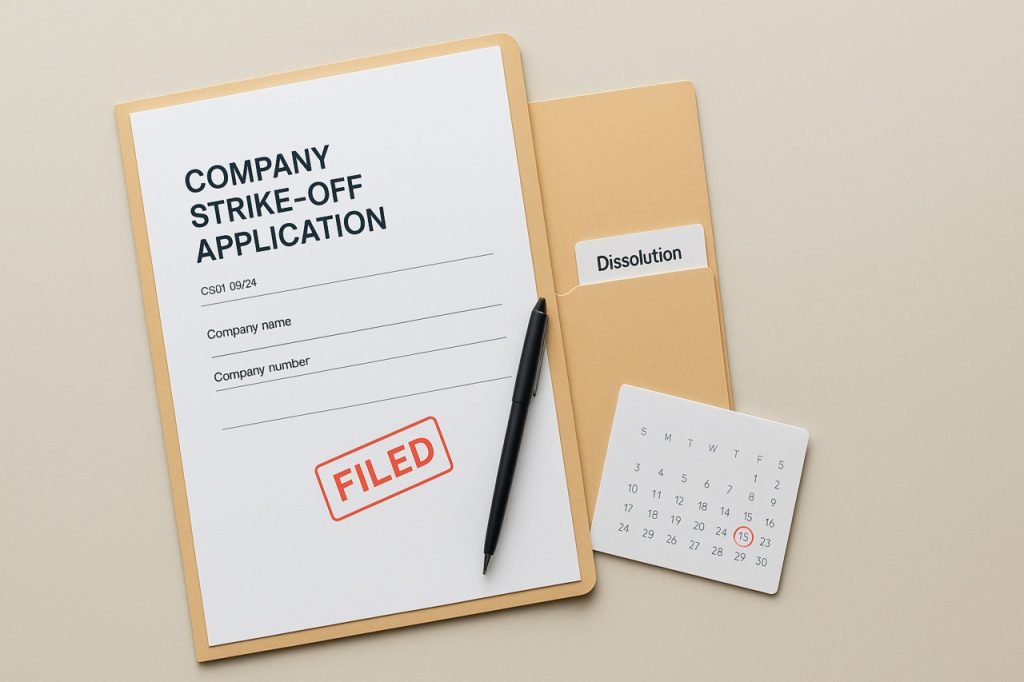
If the company is solvent, has no debts and minimal assets, voluntary strike-off (dissolution) is the simplest route: file form DS01 with Companies House for £8 online. Before striking off, you must settle all debts, distribute remaining assets to shareholders, close the bank account, inform HMRC, and file final accounts and tax returns. Get this bit right and everything downstream becomes noticeably easier. (We’ve also covered how much working capital does a small shop need in detail.)
Strike-off takes around 2-3 months, during which creditors can object — the notice is published in The Gazette, so anyone owed money gets a chance to intervene. If you’re ever unsure, check an official source rather than trusting a random forum thread. You can check the official guidance on closing your limited company via GOV.UK for the full details.
In practice, If the company has significant retained profits (roughly £25,000+), a Members’ Voluntary Liquidation (MVL) by a licensed insolvency practitioner is usually more tax-efficient, treating distributions as capital gains. Get this bit right and everything downstream becomes noticeably easier.
The practical playbook
Enough theory — here’s how to handle this in practice. These are the steps I’d actually follow:
- MVLs cost around £2,500-£5,000+ in practitioner fees but can save substantially more in tax through Business Asset Disposal Relief (10% rate on qualifying gains). Future you will be genuinely grateful that present you bothered with this.
- If the company can’t pay its debts, you can’t just strike it off — you’ll need a Creditors’ Voluntary Liquidation (CVL), where an insolvency practitioner winds things up fairly. A short burst of attention here prevents a long stretch of hassle later.
- Directors have legal duties during closure: don’t strip assets, don’t favour one creditor over others, and keep trading only if it’s genuinely in creditors’ interests. Future you will be genuinely grateful that present you bothered with this.
- After dissolution, keep company records for at least six years — HMRC can still investigate, and former directors can be pursued if the closure was improper. A short burst of attention here prevents a long stretch of hassle later.
Related reading: our guide to what are the best networking events for startups in london pairs well with everything above.
Where people go wrong
A quick word on what not to do — these are the traps I see people fall into most often:
- Ignoring the paperwork until there’s a problem — by then your options are limited and expensive.
- Taking advice from social media instead of official sources — confidently wrong is still wrong.
- Choosing the cheapest option without checking what’s actually included — false economies are everywhere in business.
- Putting it off because it feels complicated — most of these tasks take under an hour once you actually start.
What I’d actually do
I’ll be blunt: the temptation to just stop filing and let Companies House strike the company off compulsorily is strong, and it’s a terrible idea. It flags you as a director, can lead to disqualification proceedings, and doesn’t cleanly end your liabilities. Spend the £8, do the DS01 properly, and close things cleanly — future you will be grateful.
The broader point is worth stating plainly: how do I close a limited company in the uk isn’t just admin — it’s one of those unglamorous foundations that separates businesses that last from those that flame out. Spend the time now, do it properly, and you’ll barely think about it again. Neglect it, and it has a habit of becoming urgent at the worst possible moment.
For independent further reading, Companies House official guidance is a solid next stop.
Frequently asked questions
What’s the single most important thing to know about how do I close a limited company in the uk?
If the company is solvent, has no debts and minimal assets, voluntary strike-off (dissolution) is the simplest route: file form DS01 with Companies House for £8 online. If you’re ever unsure, check an official source rather than trusting a random forum thread.
Where should I start?
Before striking off, you must settle all debts, distribute remaining assets to shareholders, close the bank account, inform HMRC, and file final accounts and tax returns. Begin there and build from a solid foundation rather than trying to do everything at once.
What’s the biggest mistake people make?
Ignoring the paperwork until there’s a problem — by then your options are limited and expensive. Avoid that trap and you’re already ahead of most people.
Your next steps this week
Reading about how do I close a limited company in the uk is the easy part — acting on it is what actually moves your business forward. Here’s a simple checklist to go from reading to doing within the next seven days. None of these steps takes more than an hour, and together they cover the essentials properly.
- Block out one focused hour this week to complete the single most important action from the practical steps above — momentum beats perfection every time.
- Gather the relevant documents and information into one folder, digital or physical, so everything is ready when you sit down to do the task.
- Set a calendar reminder to review this area in three months — tax rules, prices and your business situation all change, and a quick review keeps you ahead.
Wrapping up
To close a UK limited company: use voluntary strike-off (DS01, £8) if solvent with minimal assets; choose an MVL for larger retained profits for tax efficiency; use a CVL if insolvent. Settle debts, inform HMRC, file final accounts, and keep records for six years. Never just abandon the company — close it properly. And if this raised more questions, our piece on do I need a data protection policy for my small business is worth a look next.