
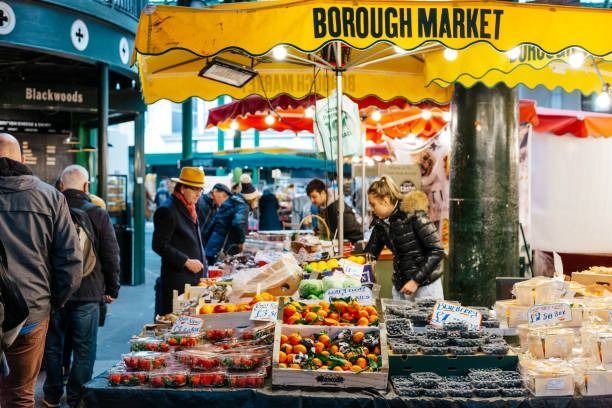
How Much Does a London Market Stall Cost? (2026 Guide)
How Much Does a London Market Stall Cost? (2026 Guide)
How much does it cost to rent a market stall in London? Anywhere from £20 a day at a quiet borough market to £150+ at prime tourist spots like Camden or Portobello — and the price is only half the story. Pitch fees, what type of trader each market wants, and how far ahead to book all decide whether market trading works for you.
There’s a lot of conflicting advice out there, and some of it is years out of date. Rules change, prices move, and providers quietly rewrite their terms. What follows is current for the UK right now, based on what’s actually on offer and what real customers are paying — not the teaser rates in the adverts. If that’s on your mind too, have a look at our guide to what sells best on etsy uk for beginners — it pairs naturally with everything below.
How much does it cost to rent a market stall in London? By market type
Council-run street markets (Broadway Market, Chatsworth Road, many borough markets): £25-£60/day for a standard pitch, often with discounts for regular traders. These are the accessible entry point — apply via the council, prove your products, and you can be trading within weeks.
Prime tourist markets (Camden, Portobello, Greenwich, Borough): £80-£150+/day, with waiting lists for the best pitches and stricter selection. The footfall justifies it for the right products — tourist tat and distinctive crafts thrive; everyday goods don’t. Craft and design fairs: £50-£200/day depending on prestige, usually weekend-only with curated selection.
Right — with the basics covered, let’s get into the detail that actually affects your wallet. Worth a read alongside this: our guide to how do I price handmade products to make a profit.
The full cost beyond the pitch fee
The key points, stripped of fluff:
- Pitch fee: £20-£150/day as above — the headline number.
- Public liability insurance: £100-£200/year; most markets require £5m cover proof.
- Equipment: gazebo (£80-£200), tables, display — £200-£400 one-off if the market doesn’t provide stalls.
- Card reader: SumUp/iZettle reader (£30-£40) + ~1.75% per transaction — cash-only traders lose sales.
- Stock and transport: getting goods to the market — van hire or a car that fits everything.
- Food traders: hygiene certificates, council registration, possibly higher pitch fees.
A quick word from experience: don’t decide on price alone. The cheapest option has a habit of costing more in hassle, and I’ve learned that lesson the expensive way more than once.
How to get a pitch
Here’s the process, step by step — nothing here should take more than an afternoon:
- Choose markets matching your products — visit first as a customer and watch footfall and trader mix.
- Check the council or market operator’s website for trader applications.
- Prepare: product photos, public liability certificate, food hygiene docs if relevant.
- Apply early — popular markets allocate pitches months ahead; some have waiting lists.
- Start with one regular market to learn the ropes before spreading across several.
- Build relationships with market managers — regular, reliable traders get the best pitches.
Is market trading worth it?
The maths: a £50 pitch needs maybe £200-£300 in sales to be worthwhile after stock costs and your time. Good traders at busy markets clear £500-£1,000+ on a Saturday; quiet weekday markets might barely cover the pitch. It’s a volume and margin game — high-margin handmade goods and distinctive products win; low-margin reselling rarely does.
Beyond money, markets are unmatched for market research: you watch customers handle your products, hear objections live, and test prices in real time. Many successful Etsy and online sellers started at markets precisely for this feedback loop. Treat the first few markets as paid research with sales attached, and you’ll learn more in a month than a year of online analytics.
Quick answers
How long does sorting out London market stalls usually take?
Less time than you’re probably imagining. The research takes an evening, the decision takes a day of mulling over, and the actual doing is usually under two hours. What stretches it into weeks is dithering — half-decided, tab-hoarding limbo. Pick a deadline, gather the facts from this guide, make the call, and move on. Done beats perfect here, every single time.
What should I do first if I’m completely new to London market stalls?
Start with the free, reversible steps: research, compare, and get your facts straight before spending a penny or signing anything. Make a shortlist of two or three options, check recent reviews — and read the one-star ones, not just the average — and talk to someone who’s done it before you. Ten minutes of asking around beats ten hours of guessing, and it costs nothing.
How much should I realistically budget for London market stalls?
More than the headline price, less than the premium option. A sensible budget for London market stalls sits in the middle of the market — enough to avoid the cut corners of the cheapest tier, without paying for features you’ll never touch. Add 15-20% contingency for the extras nobody mentions upfront, and you’ll land about right. The people who blow the budget are the ones who budgeted for the advert price instead of the real one.
Pro tip: whatever you decide about London market stalls, set a calendar reminder to review it in a year’s time. Prices, products and your own needs all shift — the people who get the best value long-term are the ones who revisit decisions, not the ones who choose perfectly on day one.
My honest take
£20-£60/day at borough markets, £80-£150+ at prime tourist spots, plus insurance and equipment. Start with one market matching your products, bring a card reader, and treat early markets as research — the customer feedback is worth as much as the sales.
At the end of the day, the right choice is the one that fits your life and your budget — not the one with the flashiest advert. You’ve now got the facts; trust your judgement. One last tip from me: set a calendar reminder to revisit this in twelve months. Loyalty rarely gets rewarded in the UK market, and the best deal is almost always the one you renegotiate. For the official word, see London markets: trader information. Simply Business market trader insurance is also worth a look for independent comparisons. And if you’re still weighing things up, our guide to how do I open a shop on etsy from the uk covers the next question most people ask.