
The Best Free Museums in London (2026 Local’s Guide)
Here’s something worth saying loudly: London has the best free museums in the world. Not “good for free” — genuinely world-class institutions that charge nothing for their permanent collections. If you’re wondering what the best free museums in London are, this is the definitive local’s list, from the giants to the hidden gems tourists miss.
The unmissable giants
1. The British Museum (Bloomsbury)
The Rosetta Stone, the Parthenon sculptures, Egyptian mummies — 2 million years of human history under one roof, free. It’s overwhelming by design; don’t try to “do” it. Pick two or three galleries (Egypt and Greece are the classics) and leave before museum fatigue sets in. Go on a weekday morning to avoid the worst crowds.
2. Natural History Museum (South Kensington)
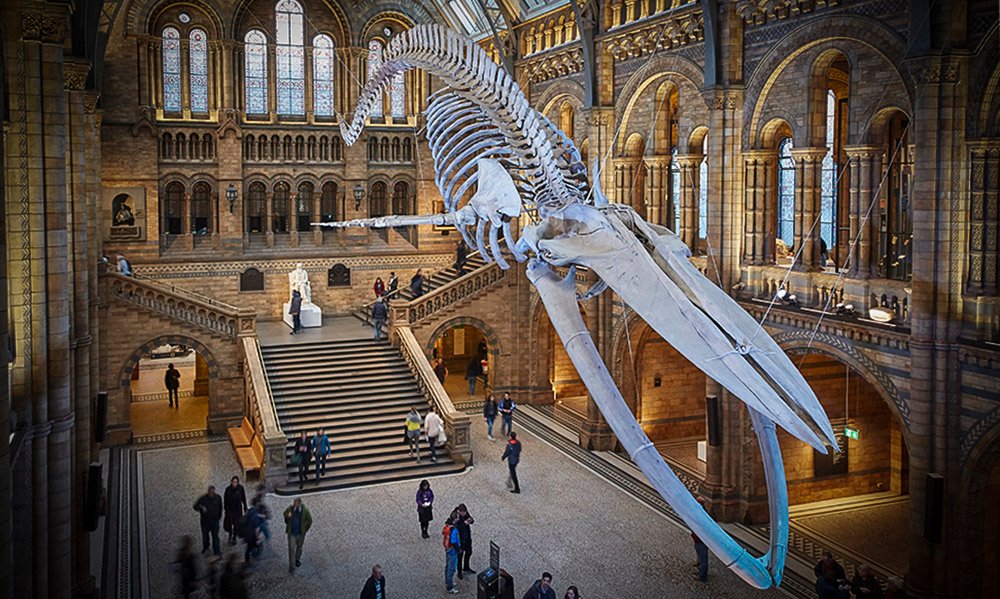
Dinosaurs, the blue whale skeleton in Hintze Hall, and one of the most beautiful buildings in London. It’s the most popular free museum with families, which means weekends are chaos — go on a weekday if you can, and book the free timed entry slot online in advance.
3. The National Gallery (Trafalgar Square)
Van Gogh’s Sunflowers, Turner’s Fighting Temeraire, centuries of Western European painting — free, in the most central location imaginable. The Sainsbury Wing is perfect for a focused hour. Friday late openings are a lovely, quieter way to see it.
4. Tate Modern (Bankside)
The world’s most-visited modern art museum, in a converted power station on the Thames. The Turbine Hall installations are events in themselves, the permanent collection is superb, and the top-floor viewing terrace has one of London’s best free views. Pair it with a walk along the South Bank.
5. Science Museum (South Kensington)
Next door to the Natural History Museum and just as good — the space gallery, the medical collections, and brilliant interactive galleries for kids. The paid exhibitions (often £10-£15) are worth it occasionally, but the free core is enormous.
6. V&A (South Kensington)
The world’s greatest museum of art and design — fashion, jewellery, furniture, photography, spanning 5,000 years. The jewellery gallery alone is worth the trip, and the courtyard café is a beautiful rest stop. Less crowded than its neighbours, which is a bonus.
7. Imperial War Museum (Lambeth)
Powerful, moving, and brilliantly curated — from the First World War galleries to the Holocaust exhibition. Not a light day out, but an essential one. The building itself (the former Bethlem Royal Hospital) is striking.
Excellent and less crowded
8. The Wallace Collection (Marylebone)
A hidden gem: Old Master paintings, arms and armour, and exquisite French furniture in a stunning townhouse — free, and rarely busy. The courtyard restaurant is one of London’s prettiest lunch spots.
9. Sir John Soane’s Museum (Holborn)
An architect’s house crammed with antiquities, preserved exactly as he left it in 1837. Small, strange, magical — and free (book ahead; capacity is tiny). The candlelit evening openings are unforgettable.
10. The Horniman (Forest Hill)
Worth the trip south: natural history, anthropology, an aquarium, and 16 acres of gardens with views over London. The walrus is a local legend. Great with kids, calm without them.
11. Museum of London Docklands (Canary Wharf)
The story of London’s river and docks, in a gorgeous Georgian warehouse. Fascinating, free, and blissfully uncrowded compared to the big names.
12. The National Maritime Museum (Greenwich)
Britain’s seafaring history in the grandest setting — combine with the Cutty Sark (paid), the Royal Observatory and Greenwich Park for a full free-ish day out.
13. Tate Britain (Pimlico)
Turner, Constable, Hogarth, Hockney — the definitive collection of British art, in a beautiful building most tourists skip in favour of Tate Modern. Their loss.
14. The Grant Museum of Zoology (UCL)
Quirky, compact, and free — 68,000 zoological specimens including the famous jar of moles. A 30-minute delight near Euston.
15. The Bank of England Museum (City)
Free, fascinating, and you can hold a real gold bar. Small enough for a lunch break, interesting enough to remember.
Tips for making the most of them
- Book free tickets online where offered — it guarantees entry and skips queues.
- Go early or late: 10am opening or the last two hours are quietest. Weekends 11am-3pm are peak chaos.
- Don’t try to see everything. Two hours in three galleries beats six hours of glazed exhaustion.
- Special exhibitions cost extra (£12-£25 typically) — the permanent collections are what’s free. Check whether the paid show is worth it before committing.
- Cafés are pricey; bring a picnic for the parks nearby, or eat before/after elsewhere.
Museums are the cornerstone of free London — and they pair perfectly with other no-cost days out. See the best free things to do in London with kids for the full picture, and if you’re packing for a festival instead, what to pack for a UK music festival has you covered.
For official listings and opening times, Visit London’s museums guide is the reliable source.
Best free museums in London: rainy day vs sunny day planning
London weather should dictate your museum strategy. Rainy days: head for the big indoor giants — the British Museum, Natural History Museum and National Gallery all absorb crowds well and you can easily spend 3-4 hours inside. Arrive at opening (10am) to beat the worst of the weather-driven crowds; everyone else has the same idea by 11:30. The V&A and Science Museum are excellent wet-weather choices too, with great cafés for the inevitable mid-visit rest.
Sunny days: pair a smaller museum with outdoor time. The Horniman’s 16 acres of gardens, Greenwich (Maritime Museum + park + Observatory hill), and the V&A’s courtyard are built for this. Sir John Soane’s Museum (30-45 minutes) pairs perfectly with a Lincoln’s Inn Fields picnic. The Grant Museum takes half an hour — combine it with Euston-area exploring.
The golden rule: never plan two giant museums in one day. Museum fatigue is real — after about two hours, everything blurs. One big museum + one park (or one small museum + one big museum, with lunch between) is the sustainable formula. And always have a wet-weather backup for outdoor plans: the British Museum is a 10-minute walk from several parks, the Tate Modern sits on the South Bank walk, and South Kensington’s three giants are interchangeable depending on queues. Check live queue times on Google Maps before committing — it shows how busy venues are right now, which is invaluable on rainy Saturdays.
The takeaway
Start with the British Museum, Natural History Museum and Tate Modern; graduate to the Wallace Collection, Soane’s and the Horniman when you want calm. Book ahead, go early, don’t try to see it all — and remember that the best things in London really are free.