
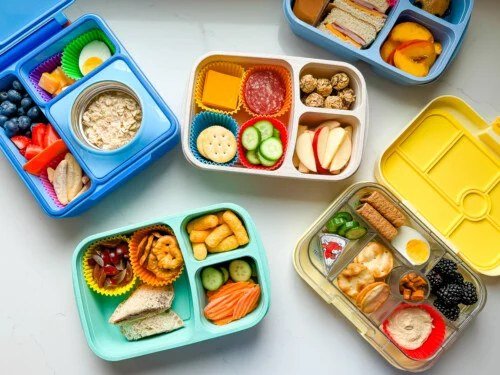
Best Packed Lunch Ideas for Kids in the UK (No More Boring Sandwiches)
The 7am lunchbox stare-down: same sandwich, same apple, same uneaten crusts coming home. If you’re stuck for inspiration, you’re not alone — most parents rotate the same five things until the kids stage a revolt. Here are the best packed lunch ideas for kids in the UK that are healthy-ish, affordable, survive until lunchtime, and — crucially — actually get eaten.
The formula for a good packed lunch
School food standards suggest a balanced lunch includes: a starchy food, protein, dairy (or alternative), vegetables or salad, and a piece of fruit. In lunchbox terms: main + veg + fruit + snack + drink (water). You don’t need to hit it perfectly every day — aim for the pattern across the week.
Mains beyond the sandwich
- Pasta salad: cold pasta with pesto, peas, sweetcorn and cheese cubes. Eaten cold happily, endlessly customisable.
- Wraps and pinwheels: tortilla wraps with cream cheese and ham, or sliced into pinwheels — more exciting than a sandwich, same effort.
- Frittata slices: make on Sunday, slice for the week. Eggs, cheese, whatever veg needs using. Great cold.
- Couscous or rice salad: with roasted veg, chickpeas and a lemon dressing. Cheap and filling.
- Savoury muffins: cheese and courgette, or ham and sweetcorn. Bake a batch, freeze, defrost overnight.
- Noodle pots: cooked noodles, shredded chicken or tofu, veg and soy-ginger dressing. For older kids who like bold flavours — and if you’re cooking tofu for the family, here’s how to make it taste good.
- DIY lunchables: crackers, cheese, ham, cucumber — kids love assembling their own. Cheaper and healthier than the branded version.
- Soup in a flask: in winter, a small insulated flask of tomato or chicken soup makes all the difference.
Veg they’ll actually eat
Raw veg beats cooked for lunchboxes (no reheating, better texture). The winners: cucumber sticks, cherry tomatoes, carrot batons, pepper strips, sugar snap peas, sweetcorn. Dips make everything more appealing — hummus, tzatziki, or cream cheese. Cut them small; big pieces come home uneaten.
Snacks and puddings
- Yoghurt tubes or pouches (freeze them — they defrost by lunch and keep everything cool)
- Cheese strings or cubes
- Rice cakes or oatcakes
- Homemade flapjacks or banana bread (batch bake on Sunday)
- Raisins or dried fruit (watch the sticky-teeth factor — fine occasionally)
- A small biscuit or piece of chocolate — a little treat is fine and stops lunchbox resentment
What schools actually require
Many UK schools have packed lunch policies: no nuts (allergy risk — check your school’s rules), no fizzy drinks, no sweets or chocolate bars, sometimes no crisps. Check your school’s policy before you pack — there’s nothing worse than your kid’s favourite snack being confiscated. Water is the default drink; some schools allow diluted juice.
Keeping it safe until lunchtime
- Ice packs: essential, especially for dairy and meat. Freeze a water bottle — it doubles as a drink.
- Insulated lunch bag: £8-£15, worth every penny.
- Cool cooked food quickly before packing — don’t put warm pasta in a sealed box.
- Fridge overnight: pack the box the night before and refrigerate; grab and go in the morning.
The NHS food storage guidance covers the safety timeframes if you’re unsure.
The cost angle
A packed lunch costs roughly £1.50-£2.50 versus £2.50-£3.50 for school dinners (prices vary by area). For one child that’s a saving of £200-£250 a year — for two or three kids, it’s serious money. Batch-prepping components on Sunday (boil eggs, bake muffins, chop veg, cook pasta) makes the weekday mornings nearly effortless.
And if you’re already in batch-cooking mode, a decent flask setup helps across the board — much like a good budget coffee machine transforms the morning routine for parents too.
Best packed lunch ideas for kids in the UK: the weekly planner
Here’s a full week that uses one Sunday prep session (about an hour) and keeps things varied. Monday: pasta salad — fusilli with pesto, peas, sweetcorn and cheese cubes, made Sunday night. Tuesday: DIY lunchables — crackers, ham, cheese, cucumber and cherry tomatoes. No cooking required. Wednesday: wrap pinwheels — tortillas spread with cream cheese, layered with ham and grated carrot, rolled and sliced. Made Tuesday night in 10 minutes.
Thursday: frittata slices — Sunday’s batch (eggs, cheese, whatever veg needed using) sliced and packed cold. Friday: couscous salad — couscous poured over with stock Sunday, fluffed Friday morning with roasted veg, chickpeas and lemon dressing. Each day: add a piece of fruit, a veg stick bag with hummus, a yoghurt tube (frozen — it doubles as an ice pack), and water.
The Sunday prep list: boil pasta and eggs, bake frittata and savoury muffins, chop all veg sticks into bags, portion hummus into small pots, make couscous base. Everything goes into labelled containers; each morning is pure assembly — under five minutes. The shopping list barely changes week to week, which means you can buy the staples (pasta, tortillas, eggs, cheese, crackers, hummus ingredients) in bulk and only vary the fresh veg and fruit.
Rotate the mains fortnightly to prevent mutiny: week two swaps in noodle pots, savoury muffins with soup in a flask, rice salad, bagel sandwiches and a “breakfast box” (pancakes, fruit, yoghurt). Two alternating weeks = ten different lunches, and the kids never see the same main twice in a fortnight. Ask them to rate each lunch 1-5 on Friday — it gives them ownership, and you’ll quickly learn which ideas are keepers and which come home uneaten. The NHS healthy eating guidance has a useful lunchbox checklist if you want to sanity-check the balance across the week.
Summer lunchbox safety
Warm weather changes the rules: bacteria multiply fast above 8°C, and a lunchbox in a sunny classroom is a risk. In summer, freeze a water bottle as the ice pack (it keeps things cold for hours and becomes drinking water by lunch), avoid mayo-based fillings on hot days (use hummus or cream cheese instead), and keep the insulated bag out of direct sun. The NHS advises keeping packed lunches cool — when in doubt, choose fillings that are safe at room temperature: hard cheese, whole fruit, crackers, and sealed snacks.
The takeaway
Main + veg + fruit + snack + water, prepped on Sunday, packed the night before, kept cool with an ice pack. Rotate the mains weekly so nobody mutinies, respect the school’s nut policy, and remember: the best lunchbox is the one that comes home empty.